

Consumer Insights
Uncover trends and behaviors shaping consumer choices today
Procurement Insights
Optimize your sourcing strategy with key market data
Industry Stats
Stay ahead with the latest trends and market analysis.
The AdTech market attained a value of USD 614.02 Billion in 2025 and is projected to expand at a CAGR of 8.60% through 2035. The market is further expected to achieve USD 1401.14 Billion by 2035. AI-driven agents for ad campaigns are automating manual media operations to allow advertisers to optimize, test, target and report through complex multi-channel advertising ecosystems.
The proliferation of retail media networks is fueling the demand in the AdTech market as these platforms can integrate first-party shopper data, sponsored media, measurements and closed-loop attribution. Privacy-driven shifts in identifiers are also creating greater demand for contextual targeting, clean rooms, and collaborative data solutions, which will help advertisers maintain addressability without leaning on third-party cookies. These capabilities are especially useful for advertisers looking to generate measurable results in fragmented channels, and for publishers focused on monetization solutions.
With the Ask Advisor by Google, launched in May 2026, the AdTech market is advancing from automated bidding to systems capable of understanding business objectives, recommending actions, and executing campaigns. Google claims its AI agents made it easier for marketers to manage campaigns, while AI Max for Search campaigns can increase the conversion rates or conversion value on average by 7%, maintaining the same cost-per-action (CPA) or return on ad spend (ROAS) with the usage of the whole set of features. It provides incentives for agencies and advertisers to invest in campaign orchestration powered by artificial intelligence.
Product innovation in the AdTech market is shifting towards advertising experiences embedded in conversational searches. For example, Google is currently testing Gemini-powered Conversational Discovery ads, Highlighted Answers, AI-powered Shopping ads, and Business Agent for Leads. They allow brands to guide customers in their purchasing process and provide answers to any questions directly in ads. As per Google, 75% of the shoppers who use AI mode while shopping say it helps them make decisions faster and more confidently. It opens new opportunities for B2B marketers to move AdTech from impression delivery to lead qualification and intent capturing. On the other hand, in July 2026, PubMatic and ThinkResult’s AgenticOS achieved 90% faster campaign setup, improving advertising efficiency in India.
Compound Annual Growth Rate
8.6%
Value in USD Billion
2026-2035
Read more about this report - REQUEST FREE SAMPLE COPY IN PDF
| Global AdTech Market Report Summary | Description | Value |
| Base Year | USD Billion | 2025 |
| Historical Period | USD Billion | 2019-2025 |
| Forecast Period | USD Billion | 2026-2035 |
| Market Size 2025 | USD Billion | 614.02 |
| Market Size 2035 | USD Billion | 1401.14 |
| CAGR 2019-2025 | Percentage | XX% |
| CAGR 2026-2035 | Percentage | 8.60% |
| CAGR 2026-2035 - Market by Region | Asia Pacific | 9.6% |
| CAGR 2026-2035 - Market by Country | India | 9.8% |
| CAGR 2026-2035 - Market by Country | China | 9.5% |
| CAGR 2026-2035 - Market by Platform | Mobile | 9.7% |
| CAGR 2026-2035 - Market by Vertical | Retail and Consumer Goods | 10.2% |
| Market Share by Country 2025 | Australia | 2.0% |
VoiseTech increased focus on India, developing programmatic media, audience intelligence, AI-based planning, and ad serving technologies for brands, agencies, and publishers. Firms in the AdTech market can tailor their offerings to include localized AI-based programmatic, audience intelligence, and supply-side technologies to capitalize on the emerging advertising landscape in India.
Warner Bros. Discovery enhanced its advertising technology with agentic AI technologies for media planning, forecasting, campaign optimization, and measurement via linear TV and digital platforms. AdTech firms can therefore provide a comprehensive agentic platform that integrates planning, optimization, and measurement processes through fragmented advertising platforms.
PubMatic announced the growth of its Live Sports Marketplace by leveraging AI-driven curation and real-time event intelligence to help brands access high-end sports inventory on 20+ publishers and 30+ DSPs. AdTech market companies can create their own AI-based sports advertising platform that will include real-time event data, audience targeting, and programmable inventory.
Mediaocean rolled out the name Innovid for its global ad-tech operation after the Flashtalking acquisition, covering creative, delivery, measurement, and optimization. Adtech companies can consider consolidation and unification in their operations to leverage creative, delivery, measurement, and optimization in omnichannel advertising.
With artificial intelligence, AdTech is evolving from rule-based automation of campaigns to agency systems capable of interpreting goals, providing recommendations, and executing campaigns, accelerating the AdTech market value. For example, Google expanded its AI Max for Search in April 2026, and its legacy Dynamic Search Ads are expected to be automatically switched to AI Max. These trends reveal that AdTech leaders aim at reducing campaign management efforts and speeding up optimization. Google's Ads Advisor is also adding automated policy troubleshooting and security recommendations for accounts.
The appearance of generative search is creating a new product class for AdTech vendors, whereby advertisements will be incorporated into conversational discovery of products rather than stand-alone elements. Google experiments with Conversational Discovery ads, Highlighted Answers, and AI-driven Shopping ads in Search to help advertisers deliver product information and recommendations through the process of AI conversation. Aligning with such trends in the AdTech market, in September 2025, MomentScience launched NexosChat, enabling brands to create personalized post-transaction ads conversationally using AI and landing-page inputs.
Connect TV is emerging as a new focus area for the development in the AdTech market as publishers aim to programmatically monetize their premium streaming and live event inventory. For example, Google offers CTV Live-biddable functionality in Ad Manager to allow publishers to get insight into their live audiences and enable advertisers to reach high engagement inventory. In addition, in May 2026, Equativ and Titan OS launched programmatic CTV home-screen video ads across Europe and Latin America, expanding premium inventory access.
Privacy regulations are impacting product development trends in the AdTech market, pushing companies to focus on consent-based targeting, data portability, measurement, and alternative solutions for audience identification. The Digital Markets Act by the European Commission provides greater transparency for the price, fees, compensation, performance data, and personal data usage by large digital platforms in advertising. As a result, companies like Meta are introducing a choice between fully personalized ads based on data sharing and less personalized ad experience. In August 2026, IAB Tech Lab updated privacy standards, strengthening compliance, interoperability, and data-deletion practices across the digital advertising ecosystem.
AdTech market companies are creating AI-based applications for publishers that can offer automatic diagnosis, analysis, performance reports, and monetization tips in addition to ad serving. For example, in September 2025, PubMatic launched an AI-powered publisher platform combining automated revenue optimization, first-party data monetization, and direct access to premium advertiser demand. This is consistent with Google’s larger effort towards investing in AI-powered publisher infrastructure that includes content protection and monetization solutions. In addition, Google is working on integrating direct advertising with programmatic buying that includes cross-publisher frequency management and real-time reporting with one billing solution in Buyer Direct.
The Expert Market Research’s report titled “AdTech Market Report and Forecast 2026-2035” offers a detailed analysis of the market based on the following segments:
Market Breakup by Solution
Key Insight: The demand-side platform allows for media buying, audience activation, bidding, and cross-channel optimization, whereas the supply-side platform is responsible for yield management, packaging of inventory, management of auctions, and efficiency of monetization. In March 2026, OpenX and TVision launched real-time CTV attention targeting, enabling advertisers to activate high-engagement inventory through pre-bid optimization. The ad network continues to be relevant across the AdTech market scope where the advertiser requires packaged audiences and vertical specialization with easier access to inventory. The data management platform is essential for organizing the audience in fragmented marketing environments and ensuring that the data is properly managed.
Market Breakup by Advertising Type
Key Insight: Programmatic marketing is powered by automated bidding, cross-channel inventory, and optimization, whereas search marketing takes advantage of measurable intent and direct response capabilities. Display marketing provides value to brands through visual impact, retargeting, and branding, while mobile marketing is fueled by the power of applications, location-based experiences, and continuous device utilization. Email marketing relies on permission-based customers and lifecycle marketing, propelling the AdTech market value. Native marketing leverages context and content-driven discovery. There are many other marketing formats, such as video, audio, connected TV, and conversational marketing, that are becoming increasingly relevant.
Market Breakup by Platform
Key Insight: As per the AdTech market report, mobile platform continues to be the fundamental platform since advertisers are able to blend in device access, application use, commerce behaviors and interactive elements, while web advertising is favored by the inventory availability and the flexibility of the publishers. Mobile campaigns are becoming increasingly influenced by the principles of attribution, consent, anti-fraud measures, and cross-device measuring. Web campaigns focus on contextual targeting, first party data usage, browser measuring, and commerce placements. The other platforms, such as connected television, digital audio, gaming, and new immersive media, gain AdTech investments due to their premium inventory and unique audiences.
Market Breakup by Vertical
Key Insight: AdTech is essential for media and entertainment as it helps them with their audience monetization, dynamic ad insertion, yield optimization, and cross-screen metrics. The BFSI industry focuses on privacy-sensitive targeting, leads generation, security from fraud, and compliant customer acquisition. The education industry uses digital advertising with the help of intent and geolocation data. In June 2026, Solutions Review launched an EdTech site examining AI’s impact on education, workforce development, learning, and durable skills. The retail and consumer goods industry emphasizes on retail media, shopper targeting, sponsored commerce, and closed-loop measurement, stimulating development in the AdTech market. Account acquisition, product education, and high value lead qualifications are important for the IT & telecom industry. Compliance in audience targeting and contextual relevancy is required by the healthcare industry.
Market Breakup by Region
Key Insight: The AdTech market in North America boasts robust programmatic infrastructure, advanced publishers' ecosystem, technological advancements, and complex advertiser demand. Privacy, consent, context, and data transparency are the key features of Europe, promoting the development of regulatory-compliant solutions. The Asia Pacific region focuses on mobile-oriented audiences, e-commerce, developing publishers' network, and media-retail ecosystems. Latin America holds a potential in view of rising digital adoption, mobile penetration, and programmatic advertising capabilities, as well as fragmented markets that need flexible platform solutions. The Middle East & Africa region is powered by digital transformation, premium media development, connected commerce, and investment in audience-centric advertising infrastructure.
By solution, demand-side platforms dominate the global market through centralized buying and optimization
Demand-side platforms lead the AdTech market growth owing to their ability to buy centrally, automate, target, and optimize. DSPs make it possible for advertisers and agencies to unify the access to inventory of publishers, exchanges, connected TV, mobile, and web, along with using the audience data and the performance rules. The importance of DSPs is that they help to organize and unify access to the fragmented campaigns through unified interfaces as advertisers are interested in achieving measurable results. Bidding, frequency management, identity management, and reporting are some other factors contributing to the adoption of DSPs by enterprises. In July 2026, TeqBlaze expanded its white-label SSP platform, enabling publishers and AdTech firms to launch branded programmatic monetization solutions.
Supply-side platforms are the fastest-growing solution in the AdTech market as publishers are focused on optimization of yield, quality of inventory, and control over programmatic monetization. SSPs provide media owners with the ability to bundle up their premium inventory, connect to multiple demand partners, set the pricing rules, and increase transparency of transactions. The growth of supply-side platforms is driven by factors such as connected television, retail media, digital audio, and addressable environments, which require advanced inventory management.
By advertising type, programmatic advertising leads adoption through automated buying and measurable optimization
The rise of programmatic advertising stems from automated buying, which provides the advertiser with scalable access to fragmented inventory and real-time bidding, targeting, frequency capping, and optimization capabilities. Agencies prefer programmatic advertising to run cross-channel advertising campaigns on display, mobile, video, connected TV, audio, and new channels using platforms, accelerating the AdTech market revenue growth. Programmatic advertising is also powerful in that it enables more control over inventory, bidding techniques, and measurement. With the rise in accountability requirements, the programmatic infrastructure offers operational flexibility to fine-tune budgeting, targeting, and creative deployment based on performance results. In August 2026, BidsCube launched Traffic Bridge, automating programmatic ad operations, and reducing manual workload across multiple advertising formats.
Native advertising is recording notable demand in the AdTech market since the advertisers try to find those formats which match naturally into the publisher's environment and content experience. Native placements are better than traditional display and video ads since they fit better into the publisher's environment and therefore are more relevant and non-disruptive. Native advertising is particularly appealing for content-driven categories and technological advertisers who need to explain their products to the consumers. In June 2026, Thrad launched four native ad formats for LLM environments, enabling contextual advertising across AI-driven conversations and user journeys.
Mobile platforms continue to be dominant in the market as smartphones enable engagement, targeting, and interactions
Mobile is the most common platform due to the fact that smartphones combine continuous availability, application engagement, geolocation, and measurement. Advertisers can tie their marketing efforts with commerce, social media, entertainment, payments, and other mobile-first activities. Mobile platforms allow different advertising formats like short-form video, interactive ad units, in-app advertising, and commerce experiences. In turn, AdTech companies are required to deliver solutions for attribution, anti-fraud efforts, consent management, and cross-device measurement as part of mobile ecosystem fragmentation. Demonstrating this shift in the AdTech market, in August 2026, RollerAds launched a full-cycle advertising platform, integrating traffic acquisition, offers, and monetization within one unified workspace for advertisers.
The fastest-growing platform is the web category as it improves the experience in the browser, commerce experiences, contextual targeting, and first-party audience activation. The web is a strategically important platform since it provides universal access among publishers, search engines, content platforms, and digital shops. AdTech companies are working on developing identity solutions, contextual intelligence, and server-side solutions to enhance the performance of browser advertising.
By vertical, the media and entertainment category captures a substantial share of the market through inventory and audience monetization
The media and entertainment category represents the largest vertical by adoption due to the need for streaming services, publishers, and content companies to monetize their audiences through ads and advertising technology tools. In such businesses, there is a need for managing inventory in videos, connected TV, web, mobile, and audio. Advertising technologies are used in audience segmentation, ad insertion, yield optimization, frequency controls, and measurement of campaigns. The sector demands solutions that can consolidate fragmented viewing signals and connect the premium content inventory with the advertisers who seek measurable reach. In August 2026, AWS Glue added one-click SageMaker Unified Studio access, streamlining data querying, quality checks, pipelines, and AI workflows, accelerating growth in the AdTech market.
The fastest growing vertical in terms of adoption is retail and consumer goods, as companies link advertising and commerce together, making use of advertising technologies to get access to the consumer journey and shopping data. Retail media allows merchants to monetize their first-party audiences through sponsored search, display, onsite, offsite, and in-store formats. Providers benefit from the demand for closed-loop measurement, audience segmentation, product-level targeting, and automated campaign optimization. There is an emerging trend in the AdTech market towards the coordinated planning when advertising budgets could be linked to inventory availability and transactional data.
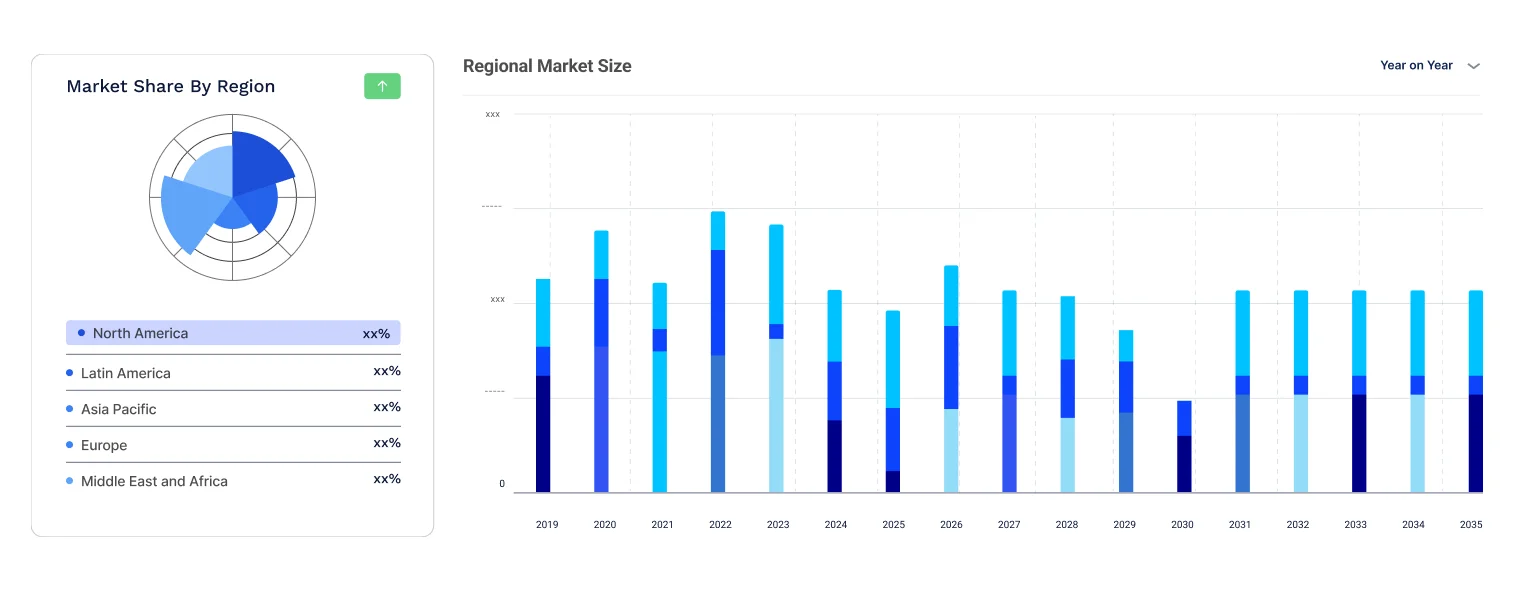
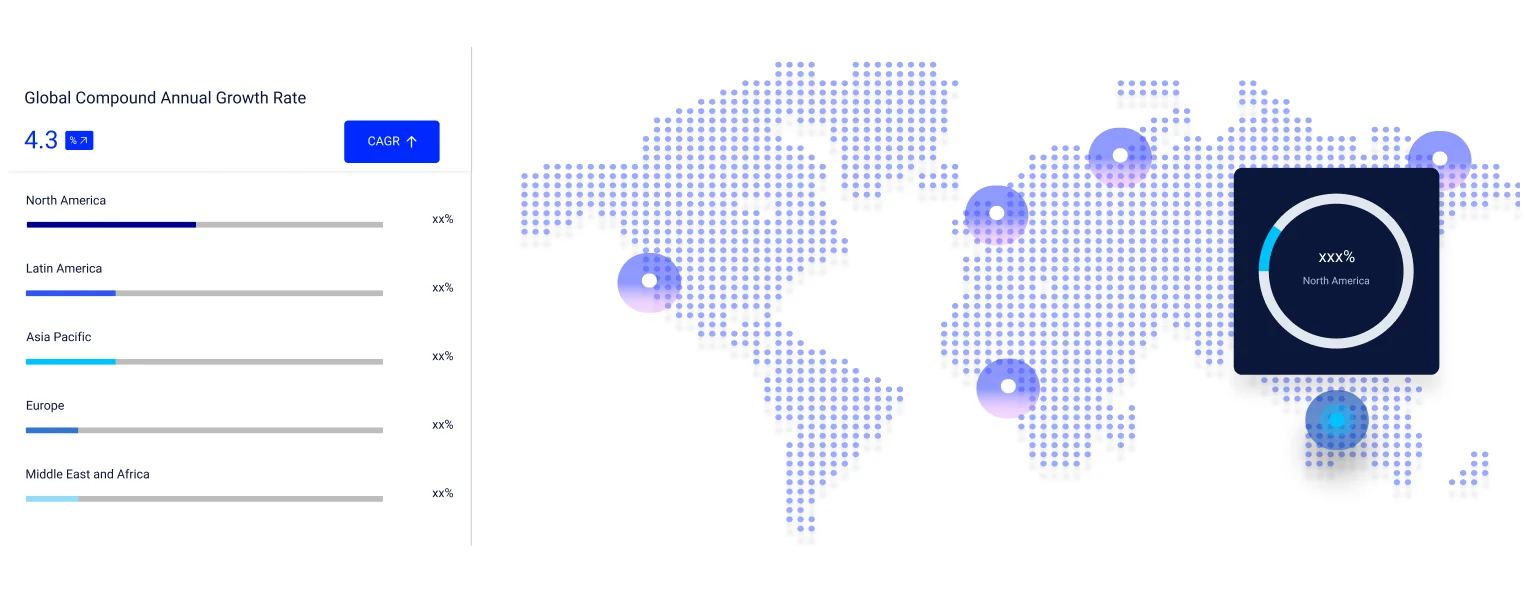
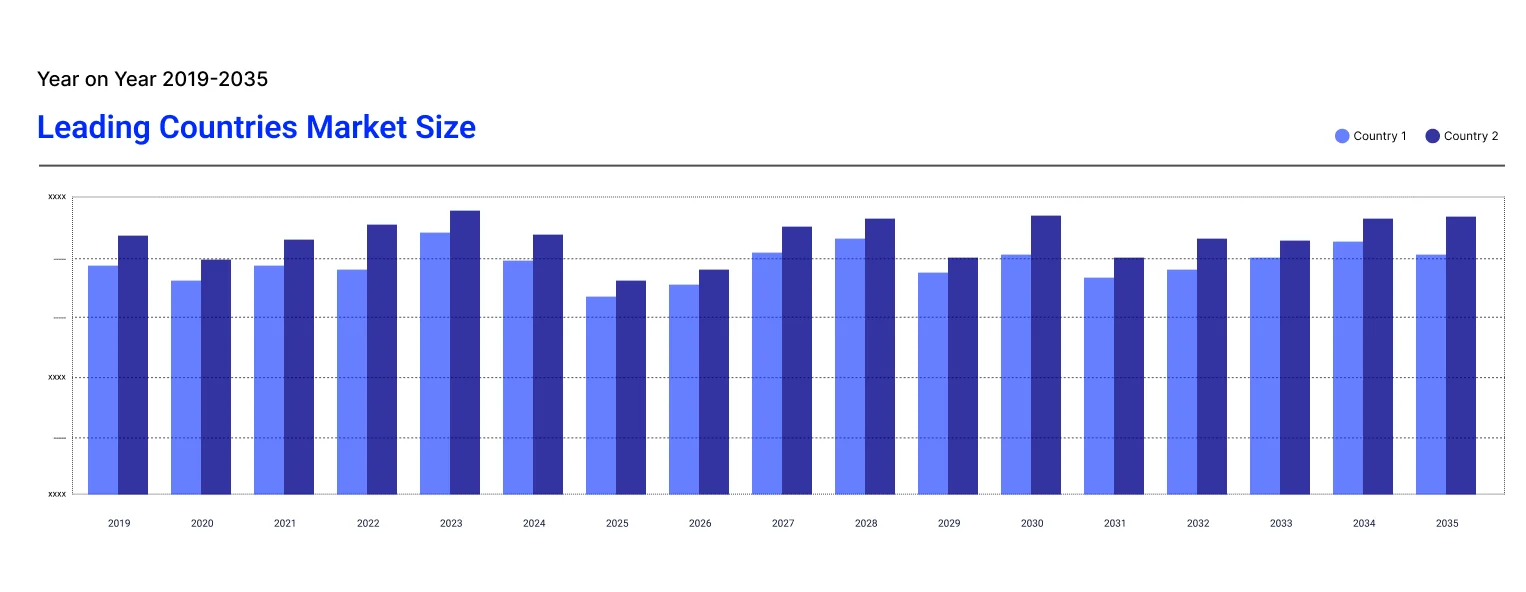
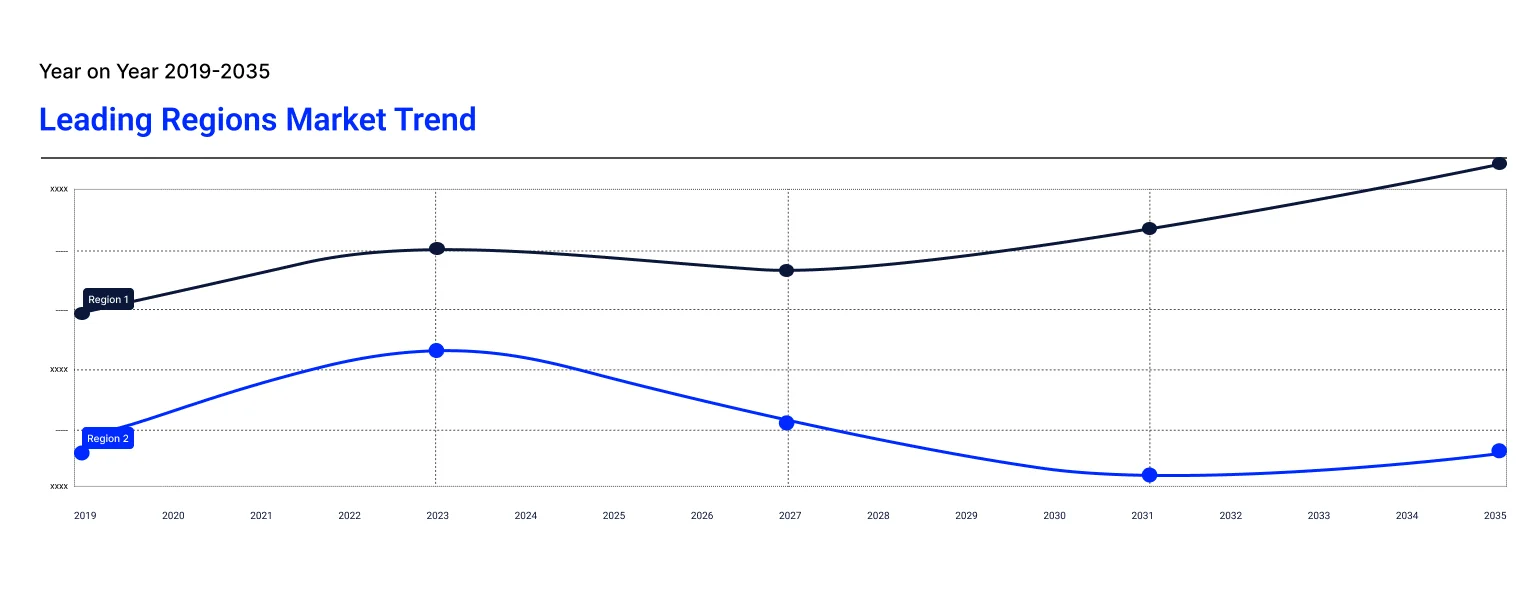
Read more about this report - REQUEST FREE SAMPLE COPY IN PDF
North America leads adoption through mature ecosystems, concentration, and sophistication
North America dominates the AdTech market due to its mature advertising landscape, high concentration of top technology platforms, publisher networks, and adoption of programmatic technologies. There is demand for integration and measurement from advertisers and agencies that work on various types of inventories including search, social, connected TV, retail media, mobile, and web. The availability of leading AdTech players speeds up the development of technologies related to artificial intelligence, identity management, data collaboration, and automation. In March 2025, Mediaocean unveiled Innovid as its unified global AdTech brand, combining creative, delivery, measurement, and optimization capabilities.
The fastest growing regional AdTech market is represented by Asia Pacific where there is a need for AdTech platforms due to developed digital commerce, mobile first consumer behavior, connected media, and emerging advertising markets. Investment in the development of programmatic buying, retail media, mobile advertising, and data driven campaign management is being made in order to achieve scalable acquisition. Publishers and local platforms are developing their monetization opportunities, and AdTech providers are expanding their regional partnerships.
The global industry is rapidly growing to be more competitive as AdTech companies are leveraging artificial intelligence, first-party data, commerce signals, automation of creatives, and cross-channel measurement. All competitors are trying to develop their efforts from basic media buying solutions to advanced agentic campaign management and performance-based advertising.
AdTech market players are advancing their artificial intelligence-powered creativity and commerce media offerings, whereas others are building their advertising stack by adding shopping signals, generative creatives, and automated optimization. Companies are strengthening data-driven marketing through AI platforms, improving ad relevance, enhancing advertiser tools, and developing new AI-powered monetization opportunities. All the above-mentioned trends provide opportunities for retail media, connected TV, conversational advertising, privacy-first targeting, and automated campaigns management.
Founded in 1982 and based in San Jose, California, United States, Adobe develops technologies for advertisement, customer experience, creative, and marketing. The company’s Adobe Advertising includes tools for media purchasing, planning, measurement, and optimization. The company offers GenStudio for Commerce Media Networks and is expanding AI-Assisted Creative Studio aiming at quick creative development and cross-channel performance management.
Founded in 1994 and located in Seattle, Washington, United States, Amazon has developed a large-scale advertising ecosystem consisting of elements such as Sponsored Products, Amazon DSP, streaming television, audio, and off-site inventory. The company’s 2026 advances include AI-powered Sponsored Brands collections, automatic deal selection, improved audience targeting, and image generation.
Founded in 1999 and based in China, Alibaba is an advertising business via its Alimama marketing technology solution and extensive commerce ecosystem. Alimama offers marketing solutions on Alibaba marketplaces as well as third-party websites. Alibaba offers AI-driven marketing solutions in the form of the Wanxiang Lab that helps merchants automate promotions and content creation.
Founded in 2015 and headquartered in Mountain View, California, United States, Alphabet is the owner of the vast advertising ecosystem of Google that includes Search, YouTube, Display, and AI-powered advertising experience. The Gemini platform is becoming increasingly important for driving relevancy, creation, recommendations, and workflow capabilities for advertisers.
Other key players in the market include Criteo S.A., Meta Platforms Inc., Microsoft Corporation, Oracle Corporation, The Trade Desk Inc., and Basis Global Technologies, Inc., among others.
*Please note that this is only a partial list; the complete list of key players is available in the full report. Additionally, the list of key players can be customized to better suit your needs.*
Unlock the latest insights with our AdTech market trends 2026 report. Discover regional growth patterns, consumer preferences, and key industry players. Stay ahead of competition with trusted data and expert analysis. Download your free sample report today and drive informed decisions in the market.


Upto 15% Off
USD
$2499 $2249
$3999 $3599
$4999 $4249
$5999 $5099


*While we strive to always give you current and accurate information, the numbers depicted on the website are indicative and may differ from the actual numbers in the main report. At Expert Market Research, we aim to bring you the latest insights and trends in the market. Using our analyses and forecasts, stakeholders can understand the market dynamics, navigate challenges, and capitalize on opportunities to make data-driven strategic decisions.*
In 2025, the market attained a value of nearly USD 614.02 Billion.
The market is assessed to grow at a CAGR of 8.60% between 2026 and 2035.
The market is estimated to witness a healthy growth in the forecast period of 2026-2035 to reach about USD 1401.14 Billion by 2035.
Stakeholders are investing in proprietary data, deploying agentic AI, integrating commerce signals, strengthening privacy controls, expanding CTV capabilities, improving attribution, and developing transparent measurement frameworks.
As per the EMR report, the different platforms of the market are mobile and web, among others.
The major regions considered in the market are North America, Europe, the Asia Pacific, Latin America, and the Middle East and Africa.
Major players in the market are Adobe Inc., Amazon.com Inc., Alibaba Group Holding Limited, Alphabet Inc. (Google LLC), Criteo S.A., Meta Platforms Inc., Microsoft Corporation, Oracle Corporation, The Trade Desk Inc., and Basis Global Technologies, Inc., among others.
Companies face privacy regulation, fragmented measurement, evolving identity standards, AI governance risks, advertising fraud, brand-safety concerns, rising infrastructure costs, and difficulty proving incremental campaign outcomes across channels.
Explore our key highlights of the report and gain a concise overview of key findings, trends, and actionable insights that will empower your strategic decisions.
| REPORT FEATURES | DETAILS |
| Base Year | 2025 |
| Historical Period | 2019-2025 |
| Forecast Period | 2026-2035 |
| Scope of the Report |
Historical and Forecast Trends, Industry Drivers and Constraints, Historical and Forecast Market Analysis by Segment:
|
| Breakup by Solution |
|
| Breakup by Advertising Type |
|
| Breakup by Platform |
|
| Breakup by Vertical |
|
| Breakup by Region |
|
| Market Dynamics |
|
| Competitive Landscape |
|
| Companies Covered |
|
Datasheet
One User
USD 2,499
USD 2,249
tax inclusive*
Single User License
One User
USD 3,999
USD 3,599
tax inclusive*
Five User License
Five User
USD 4,999
USD 4,249
tax inclusive*
Corporate License
Unlimited Users
USD 5,999
USD 5,099
tax inclusive*
*Please note that the prices mentioned below are starting prices for each bundle type. Kindly contact our team for further details.*
Flash Bundle
Small Business Bundle
Growth Bundle
Enterprise Bundle
*Please note that the prices mentioned below are starting prices for each bundle type. Kindly contact our team for further details.*
Flash Bundle
Number of Reports: 3
20%
tax inclusive*
Small Business Bundle
Number of Reports: 5
25%
tax inclusive*
Growth Bundle
Number of Reports: 8
30%
tax inclusive*
Enterprise Bundle
Number of Reports: 10
35%
tax inclusive*
How To Order

Select License Type
Choose the right license for your needs and access rights.

Click on ‘Buy Now’
Add the report to your cart with one click and proceed to register.

Select Mode of Payment
Choose a payment option for a secure checkout. You will be redirected accordingly.
Strategic Solutions for Informed Decision-Making
Gain insights to stay ahead and seize opportunities.

Get insights & trends for a competitive edge.

Track prices with detailed trend reports.

Analyse trade data for supply chain insights.

Leverage cost reports for smart savings

Enhance supply chain with partnerships.

Connect For More Information
Our expert team of analysts will offer full support and resolve any queries regarding the report, before and after the purchase.
Our expert team of analysts will offer full support and resolve any queries regarding the report, before and after the purchase.
We employ meticulous research methods, blending advanced analytics and expert insights to deliver accurate, actionable industry intelligence, staying ahead of competitors.
Our skilled analysts offer unparalleled competitive advantage with detailed insights on current and emerging markets, ensuring your strategic edge.
We offer an in-depth yet simplified presentation of industry insights and analysis to meet your specific requirements effectively.




