

Consumer Insights
Uncover trends and behaviors shaping consumer choices today
Procurement Insights
Optimize your sourcing strategy with key market data
Industry Stats
Stay ahead with the latest trends and market analysis.
The global ammonium sulfate market attained a value of USD 3.17 Billion in 2025. The market is expected to grow at a CAGR of 2.30% during the period 2026-2035 to reach a value of USD 3.98 Billion in 2035.
Compound Annual Growth Rate
2.3%
Value in USD Billion
2026-2035
| Global Ammonium Sulfate Market Report Summary | Description | Value |
| Base Year | USD Billion | 2025 |
| Historical Period | USD Billion | 2019-2025 |
| Forecast Period | USD Billion | 2026-2035 |
| Market Size 2025 | USD Billion | 3.17 |
| Market Size 2035 | USD Billion | 3.98 |
| CAGR 2019-2025 | Percentage | XX% |
| CAGR 2026-2035 | Percentage | 2.30% |
| CAGR 2026-2035 - Market by Region | Asia Pacific | 3.0% |
| CAGR 2026-2035 - Market by Country | India | 3.4% |
| CAGR 2026-2035 - Market by Country | China | 2.9% |
| CAGR 2026-2035 - Market by Product | Solid | 2.5% |
| CAGR 2026-2035 - Market by Application | Fertilisers | 2.6% |
| Market Share by Country 2025 | Australia | 1.2% |
Ammonium sulfate, (NH4)2SO4, is usually available in a dry form (crystalline or compacted and granular). It is highly soluble in and readily absorbs water. The particle size and form of crystalline ammonium sulfate can vary significantly. Conditioning agents such as dust control coatings and anti-caking coatings are extensively utilised at manufacturing and shipping points because ammonium sulfate particles have a tendency to cake in storage and also deteriorate and generate dust. Such treatments may be required at downstream storage and transfer facilities on occasion.
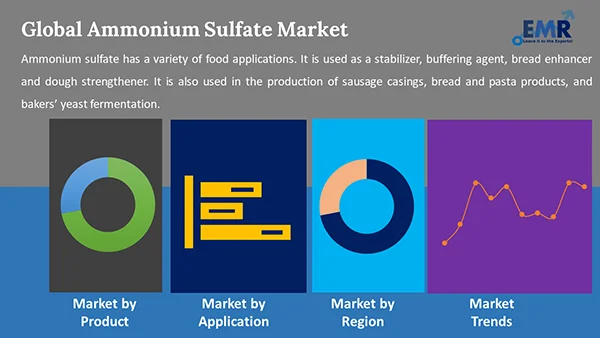
Ammonium sulfate has a variety of food applications. It is used as a stabiliser, buffering agent, bread enhancer and dough strengthener. It is also used in the production of sausage casings, bread and pasta products, and bakers’ yeast fermentation.
Hindustan Urvarak & Rasayan Limited (HURL) is evaluating the feasibility of producing ammonium sulfate at its Barauni unit using surplus ammonia generated at the plant. The initiative forms part of the company's next phase of fertilizer expansion and was reported in August 2026. HURL is also examining additional fertilizer opportunities at its other facilities as it seeks to improve utilization of available resources. A potential domestic production route could strengthen India's ammonium sulfate supply and reduce reliance on imports.
The Fertilisers and Chemicals Travancore Limited (FACT) opened a long-term contract tender for bulk supply of ammonium sulfate, caprolactam grade, conforming to Indian FCO specifications. The tender was issued in August 2026 and included subsequent corrigenda, with the submission deadline set for 27 August. The procurement activity demonstrates continued institutional demand for ammonium sulfate within India's fertilizer supply chain. Long-term procurement requirements can support supplier participation, strengthen market volumes, and encourage more reliable ammonium sulfate availability, thus boosting the growth of the ammonium sulfate market.
AdvanSix reported that it continued progressing its SUSTAIN ammonium sulfate growth programme while navigating changing fertilizer-market conditions. The company highlighted its granular crystallization technology, integrated ammonia and sulfuric-acid platforms, and specialty ammonium sulfate growth opportunities. Its second-quarter update also noted that ammonium sulfate volumes were affected by weaker spring planting conditions in North America. Continued development of specialty and granular ammonium sulfate capabilities can strengthen product differentiation and support demand for higher-value fertilizer applications.
NOVARGI announced that FEED engineering was progressing for a proposed green fertilizer plant in Buey Rodeo, Paraguay, designed to produce granular synthetic ammonium sulfate. The company plans production of more than 280,000 tonnes annually using Paraguay's renewable-energy resources, with output intended for Paraguay and regional markets. The project is targeting a final investment decision in September 2026. The project could establish a new regional source of lower-carbon ammonium sulfate while reducing dependence on imported fertilizer and supporting South American supply diversification.
The government subsidies provided for fertilizers that provide both nitrogen and sulfur are contributing to the increased popularity of ammonium sulfate in agricultural practices. Ammonium sulfate has been included in the Nutrient-Based Subsidy policy in India; thus, the fertilizer becomes more favorable to farmers while taking into consideration the sulfur supplementation as well as the nitrogen fertilizer. This policy is especially important in regions where farmers are looking for a substitute for urea and where there are problems related to sulfur deficiency. The combination of both the nutrients in one fertilizer could be beneficial for crops that require high levels of sulfur. Such policy-backed affordability and increasing awareness of balanced fertilization are supporting ammonium sulfate adoption across agriculture, thereby bolstering the ammonium sulfate demand.
Changing fertilizer economics are encouraging Brazilian buyers to consider ammonium sulfate as an alternative nitrogen source. Disruptions affecting international fertilizer trade have increased price and supply uncertainty for conventional nitrogen fertilizers, prompting greater interest in alternative products. Ammonium sulfate offers an additional advantage because it supplies sulfur together with nitrogen, making it suitable for crops requiring both nutrients. The shift is particularly relevant for large agricultural markets where fertilizer affordability directly influences planting decisions and input selection. Greater diversification of nitrogen fertilizer procurement can therefore create opportunities for ammonium sulfate suppliers while reducing dependence on a single fertilizer category.
Decarbonization is opening new avenues for producing ammonium sulfate with reduced carbon emissions. NOVARGI is developing FEED engineering for a green fertilizer plant in Paraguay that will be used for the production of granular synthetic ammonium sulfate through renewable electricity. The proposed plant is supposed to serve Paraguay and its neighboring countries and at the same time decrease the country's dependence on foreign fertilizers. This case shows how ammonium sulfate production is becoming associated with renewable energy, regional security of fertilizer supply, and reduced emissions. If such plants emerge in other agricultural areas, the production of green products will help diversify supply sources and produce high-quality products. This trend may also encourage fertilizer producers to invest in cleaner manufacturing technologies and locally integrated production facilities, hence shaping trends in the ammonium sulfate market.
Supply chain reliability for fertilizers has become more critical due to factors such as international trade barriers, geopolitical disturbances, and logistics limitations impacting the international availability of fertilizers. China's export policies on fertilizers in 2026 have raised concerns about the international supply chain of fertilizers, especially for countries that import fertilizers to meet their needs in agriculture. The situation has led to buyers diversifying suppliers, entering into long-term contracts, and considering domestic production. This factor will be critical for ammonium sulfate because its demand depends on seasonal agricultural needs. Ammonium sulfate manufacturers with diversified feedstock sources, existing logistics infrastructure, and local market presence can benefit. The focus on reliable availability is expected to influence sourcing strategies and regional capacity investments and thus propelling the ammonium sulfate market growth forward.
Growing recognition of sulfur's role in crop nutrition is supporting the use of ammonium sulfate as a combined nitrogen-sulfur fertilizer. Unlike nitrogen-only products, ammonium sulfate delivers nitrogen together with readily available sulfate sulfur, allowing growers to address two essential nutrients through one application. This is particularly relevant in intensive agricultural systems where continued removal of sulfur through crop harvesting can contribute to deficiencies. Increasing emphasis on balanced nutrient management is encouraging growers to evaluate fertilizers according to their complete nutrient contribution rather than nitrogen content alone. As agronomic awareness expands, ammonium sulfate can gain opportunities in cereals, oilseeds, and other crops requiring supplementary sulfur.
One of the remarkable trends taking place in the ammonium sulfate industry is the growing number of industrial processes producing ammonium sulfate by-products, e.g., caprolactam production or gypsum processing. This trend is gaining traction partly because of sustainability objectives and economic considerations in the agricultural sector, propelling the ammonium sulfate industry growth. Utilising by-products provides a more sustainable form of production, along with minimising waste generation. Meanwhile, there is an increasing demand for ammonium sulfate in the agricultural sector. In addition, this practice is becoming more familiar in industry and would support the circular economy's reflection on sustainable practices that is occurring on a global scale around improving sustainability.
The major application category for ammonium sulfate is fertiliser. It accounts for over 70% of the total market share. Other nitrate-based fertilisers may lead to soil denitrification and leaching, making ammonium sulfate-based fertilisers the preferred solution for farmers. A quick acting acidic fertiliser particularly suitable for saline and alkaline soil, ammonium sulfate contains nearly 20.5% nitrogen; in ammonium sulfate based fertilisers, there is no loss of nitrogen through leaching which makes them more suitable for use at the time of planting. Ammonium sulfate carries essential levels of nitrogenous elements as well as protein synthesis catalyst sulfur (24%). It can be used as a direct application fertiliser as well as part of NPK blends and compound fertilisers. Food additives and pharmaceuticals are other key sectors for market growth, carving out new trends of the ammonium sulfate market.
North America, Europe, and Asia Pacific are likely to be key markets. As a dough conditioner or dough strengthener, ammonium sulfate improves the fermentation capacity of yeast and supplies nitrogen, which can easily be used by yeast for protein building and multiplication. The extra nitrogen for yeast growth and consumption promotes consistency, volume, crumb and shelf life of the product.
As there is an increased emphasis on sustainable agricultural practices and more advanced fertilizer technology, demand for ammonium sulfate will also continue to increase. However, issues such as fluctuating price of raw materials and environmental legislation on sustainability are affecting production processes. Companies producing ammonium sulfate are looking for a more environmentally sustainable solution to counter those issues.
Read more about this report - REQUEST FREE SAMPLE COPY IN PDF
“Global Ammonium Sulfate Market Report and Forecast 2026-2035” offers a detailed analysis of the market based on the following segments:
By product, the market is segmented into:
By application, the market is classified according to:
By region, the market is segmented into:
As per ammonium sulfate market analysis, the solid segment of the market is predicted to grow due to the product's versatility in agriculture. Solid ammonium sulfate is preferred because it is easy to apply, store, and handle, making it amenable to large-scale farming. The solid form enables precision application rates, improving its use as a well-mixed granular fertiliser. Cost efficiencies are also part of why most solid forms of ammonium sulfate are less expensive to produce and transport than liquids. These factors all point toward an increasing shift to use solid ammonium sulfate.
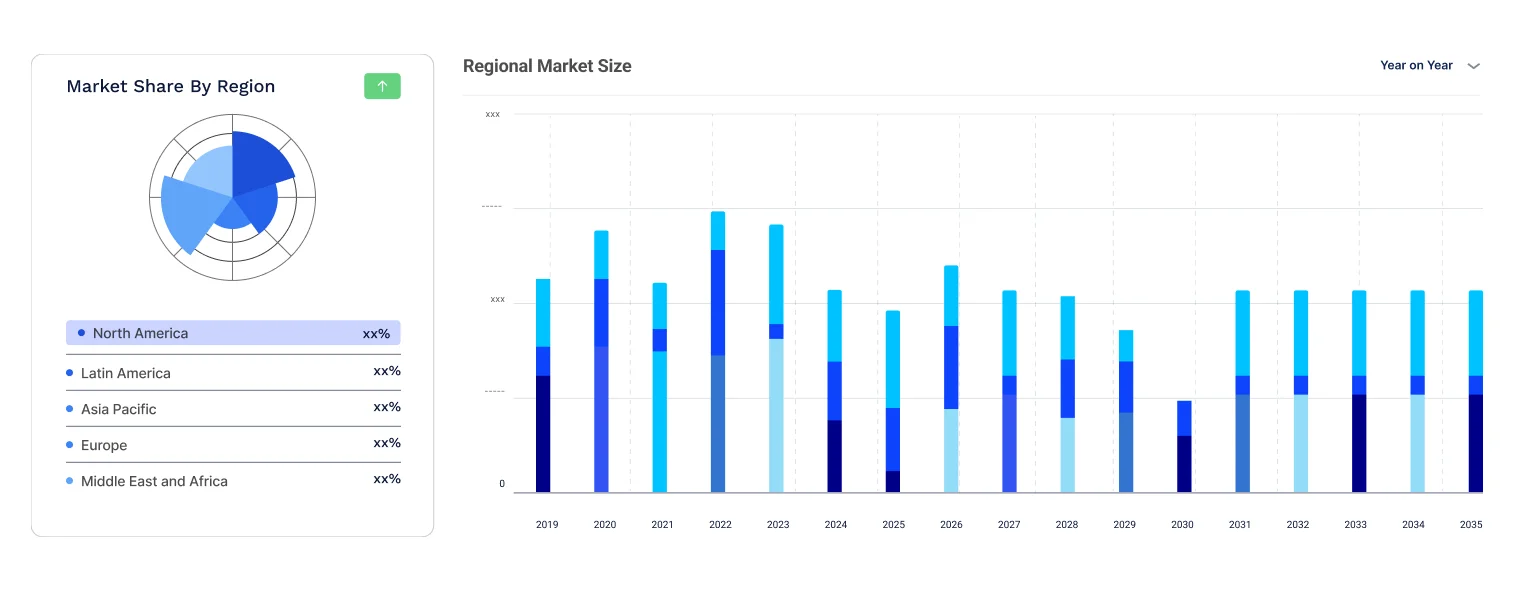
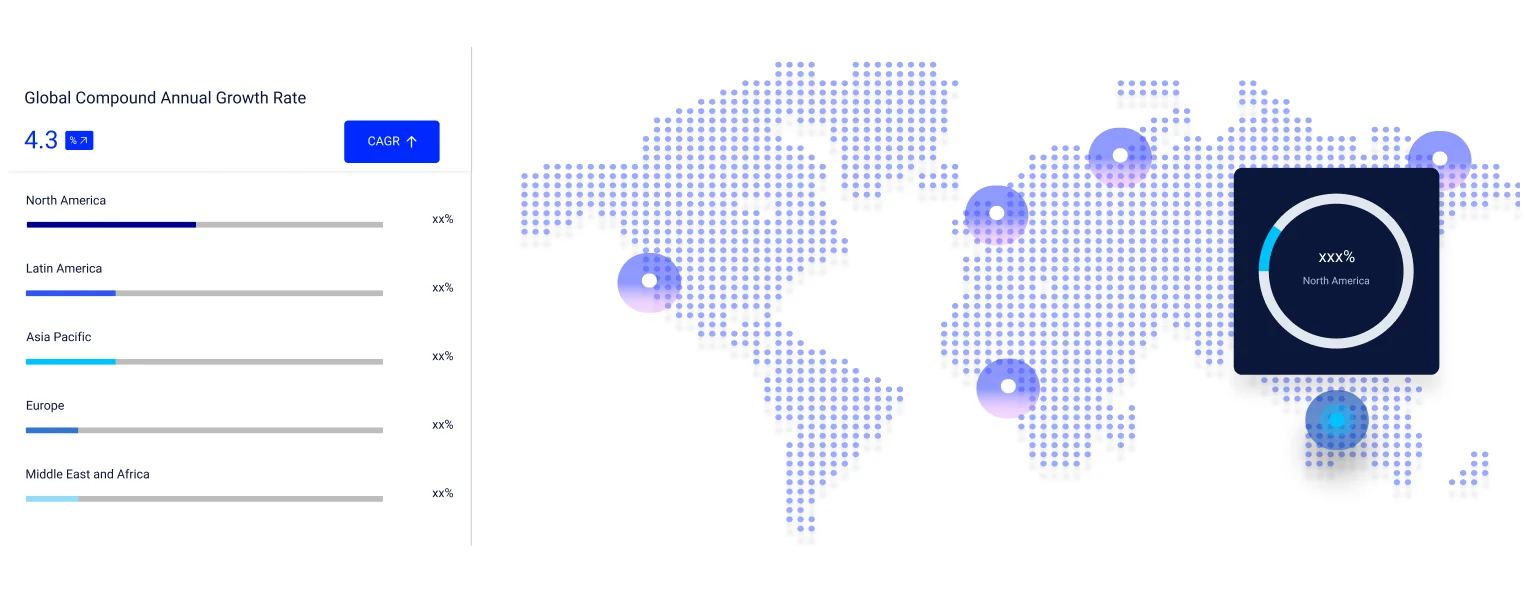
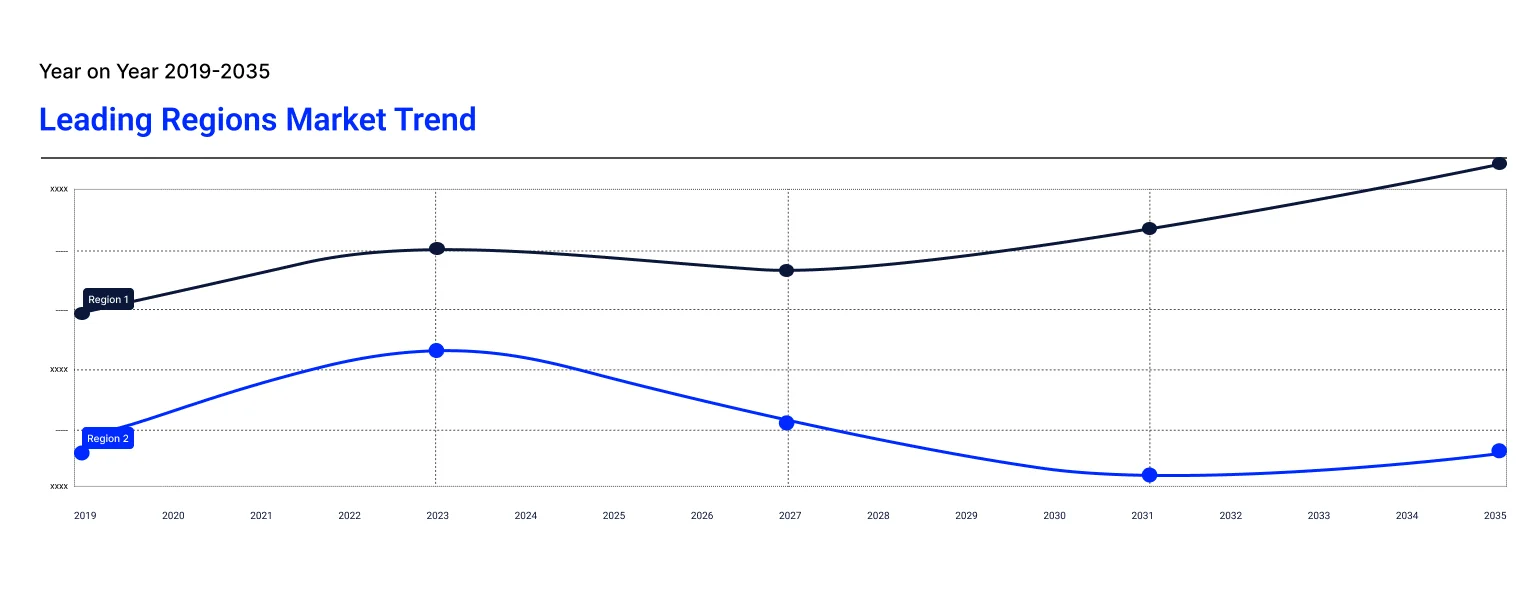
The market for ammonium sulfate is projected to experience growth in the Asia-Pacific region due to the region's quickly expanding agricultural segment, increasing crop production needs, and accelerating adoption of efficient agricultural strategies. Countries such as China and India are notable contributors to this segment, motivated by their sized agriculture markets and increasing demand for efficiency in fertilisation applications. Furthermore, numerous countries in the Asia-Pacific region are increasingly focused on soil quality, increased agricultural output, and food security in response to the growing population, which has contributed to increased usage of ammonium sulfate in this region. Investment in agricultural technology and infrastructure will also support the adoption of ammonium sulfate, helping to promote the ammonium sulfate industry in Asia Pacific.
| CAGR 2026-2035 - Market by | Country |
| India | 3.4% |
| China | 2.9% |
| UK | 2.1% |
| Australia | 2.0% |
| Japan | 1.8% |
| USA | XX% |
| Canada | XX% |
| Germany | 1.7% |
| Saudi Arabia | XX% |
| Brazil | XX% |
| Mexico | XX% |
| France | 1.6% |
| Italy | 1.4% |
To fulfil the demand for agricultural applications and meet environmental regulations, major players in the ammonium sulfate market are focused on sustainable production technologies, expansion, and supply chain optimization.
Established in 2004 and located in Cologne, Germany, Lanxess AG produces ammonium sulfate primarily as a by-product of its caprolactam production. This solid fertilizer supplements the agricultural community by promoting soil fertility and improving crop yield.
Founded in 2007 and located in Essen, Germany, Evonik Industries AG produces ammonium sulfate as a high purity fertilizer made from its industrial processes. Their product was developed to efficiently deliver nutrients in agriculture and to improve soil quality.
Established in 1913 and located in Tockyo, Japan, Sumitomo Chemical Co., Ltd. supplies ammonium sulfate as a fertiliser produced from their expertise of chemical production. Their products meet agricultural needs by increasing the nutrient content of the soil and improving crops growth.
*Please note that this is only a partial list; the complete list of key players is available in the full report. Additionally, the list of key players can be customized to better suit your needs.*
Other key players in the ammonium sulfate market report are Honeywell International Inc., and Helm AG, among others.
Trade Surveillance System Market
Injection Moulding Machine Market
Optical Brightening Agents Market
Mexico Paints And Coatings Market
South Africa Conveyor Belt Market


Upto 15% Off
USD
$2499 $2249
$3999 $3599
$4999 $4249
$5999 $5099


*While we strive to always give you current and accurate information, the numbers depicted on the website are indicative and may differ from the actual numbers in the main report. At Expert Market Research, we aim to bring you the latest insights and trends in the market. Using our analyses and forecasts, stakeholders can understand the market dynamics, navigate challenges, and capitalize on opportunities to make data-driven strategic decisions.*
The ammonium sulfate industry is estimated to grow at a CAGR of 2.30% between 2026 and 2035.
The major drivers of the market include the rising application of the product in food additives, fertilisers, and pharmaceuticals, among others, increasing demand for the product in conditional agents such as dust control coatings and anti-caking coatings, and the rapid urbanisation in emerging economies.
The growing research and development activities by ammonium sulfate producers to enhance the environmental properties of the product, such as to make 'green' ammonia, are expected to be the key trends guiding the growth of the industry.
The major regions in the industry are North America, Europe, the Asia Pacific, Latin America, and the Middle East and Africa.
Solid and liquid are the different products considered in the market report.
Fertilisers, pharmaceuticals, food and feed additives, and water treatment, among others are the different applications of the product.
The major players in the industry are Lanxess AG, Evonik Industries AG, Sumitomo Chemical Co., Ltd., Honeywell International Inc., and Helm AG, among others.
In 2025, the market for ammonium sulfate was valued at USD 3.17 Billion.
By 2035, the market is anticipated to reach USD 3.98 Billion.
Explore our key highlights of the report and gain a concise overview of key findings, trends, and actionable insights that will empower your strategic decisions.
| REPORT FEATURES | DETAILS |
| Base Year | 2025 |
| Historical Period | 2019-2025 |
| Forecast Period | 2026-2035 |
| Scope of the Report |
Historical and Forecast Trends, Industry Drivers and Constraints, Historical and Forecast Market Analysis by Segment:
|
| Breakup by Product |
|
| Breakup by Application |
|
| Breakup by Region |
|
| Market Dynamics |
|
| Competitive Landscape |
|
| Companies Covered |
|
| Report Price and Purchase Option | Explore our purchase options that are best suited to your resources and industry needs. |
| Delivery Format | Delivered as an attached PDF and Excel through email, with an option of receiving an editable PPT, according to the purchase option. |
Datasheet
One User
USD 2,499
USD 2,249
tax inclusive*
Single User License
One User
USD 3,999
USD 3,599
tax inclusive*
Five User License
Five User
USD 4,999
USD 4,249
tax inclusive*
Corporate License
Unlimited Users
USD 5,999
USD 5,099
tax inclusive*
*Please note that the prices mentioned below are starting prices for each bundle type. Kindly contact our team for further details.*
Flash Bundle
Small Business Bundle
Growth Bundle
Enterprise Bundle
*Please note that the prices mentioned below are starting prices for each bundle type. Kindly contact our team for further details.*
Flash Bundle
Number of Reports: 3
20%
tax inclusive*
Small Business Bundle
Number of Reports: 5
25%
tax inclusive*
Growth Bundle
Number of Reports: 8
30%
tax inclusive*
Enterprise Bundle
Number of Reports: 10
35%
tax inclusive*
How To Order

Select License Type
Choose the right license for your needs and access rights.

Click on ‘Buy Now’
Add the report to your cart with one click and proceed to register.

Select Mode of Payment
Choose a payment option for a secure checkout. You will be redirected accordingly.
Strategic Solutions for Informed Decision-Making
Gain insights to stay ahead and seize opportunities.

Get insights & trends for a competitive edge.

Track prices with detailed trend reports.

Analyse trade data for supply chain insights.

Leverage cost reports for smart savings

Enhance supply chain with partnerships.

Connect For More Information
Our expert team of analysts will offer full support and resolve any queries regarding the report, before and after the purchase.
Our expert team of analysts will offer full support and resolve any queries regarding the report, before and after the purchase.
We employ meticulous research methods, blending advanced analytics and expert insights to deliver accurate, actionable industry intelligence, staying ahead of competitors.
Our skilled analysts offer unparalleled competitive advantage with detailed insights on current and emerging markets, ensuring your strategic edge.
We offer an in-depth yet simplified presentation of industry insights and analysis to meet your specific requirements effectively.




