

Consumer Insights
Uncover trends and behaviors shaping consumer choices today
Procurement Insights
Optimize your sourcing strategy with key market data
Industry Stats
Stay ahead with the latest trends and market analysis.
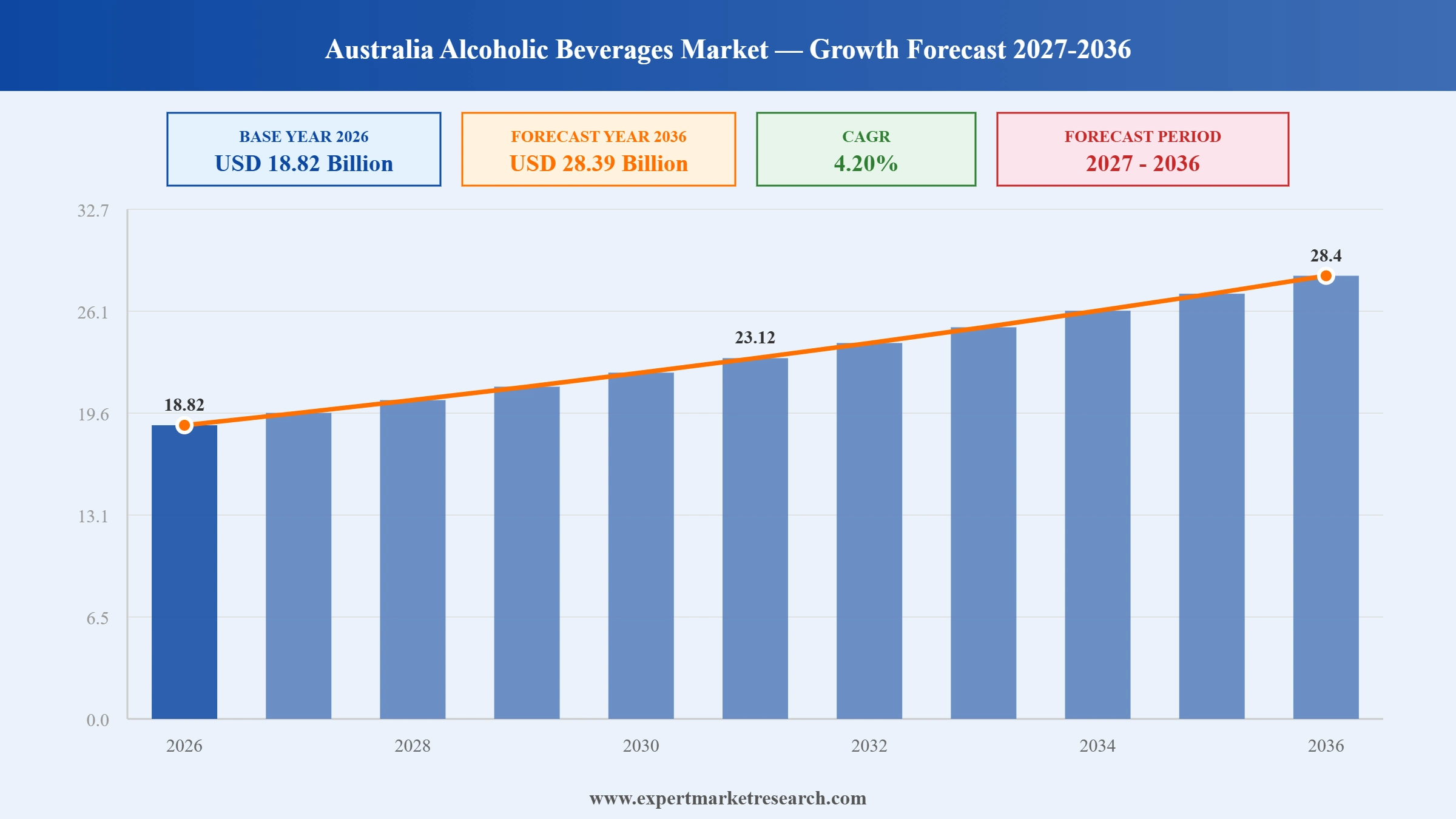
The Australia alcoholic beverages market attained a value of USD 18.06 Billion in 2025 and is projected to expand at a CAGR of 4.20% through 2035. The market is further expected to achieve USD 27.25 Billion by 2035. The trend of premiumization is spurring on beverage producers to fortify their high-margin product range as retailers look for unique brands that can help them gain a strong presence on shelves as well as lucrative alcohol categories in Australia.
The Australia alcoholic beverages market is witnessing the emergence of innovations in the form of investments into special production capacities by manufacturers. For example, in June 2025, Treasury Wine Estates constructed a new facility in Barossa Valley devoted to production of wine without and with low alcohol content. The plant utilizes technology which can de-alcoholize wine while preserving its characteristic aromatic and taste compounds. Additionally, the company applies for patenting of this technology. It makes it possible to have control over de-alcoholization processes and to create business opportunities for the premium wine alternatives.
Changes in supply chain are also becoming an urgent issue, further redefining the Australia alcoholic beverages market dynamics. In May 2026, Endeavour Group restructured Pinnacle Drinks into an asset-light portfolio, reducing grape production by over 80% and consolidating winery operations from seven sites to three while focusing investment on stronger brands. Moreover, the number of wineries will be reduced from seven to three. These innovations reveal how established alcohol companies are changing their sourcing and production models in order to be more capital efficient.
Companies are prioritizing supply-chain efficiency and production innovation to strengthen market reach and respond to evolving demand in the Australia alcoholic beverages market. In October 2025, Asahi Beverages developed a new distribution center at Melbourne’s AUD 1 billion Deer Park Estate to streamline warehousing and improve delivery efficiency. This will help bolster distribution capabilities in Asahi’s beverages range. On the other hand, Treasury Wine Estates is making further investments in research collaborations and product developments for improving wine quality, efficiency in supply chain operations and innovative production technologies.
Read more about this report - Request a Free Sample
Good Drinks Australia and Molson Coors released Miller Dry 3.5%, a mid-strength lager with reduced carbs that is targeted towards the Australian consumer base. The introduction aims at tapping into the increasing demand for easy drinking beer without compromising taste. Other brewers may try out lower ABV and carb products with existing brands targeting the fast-growing mid-strength category, boosting growth in the Australia alcoholic beverages market.
Ukiyo expanded its Australian portfolio with Nashi Pear Gin, combining Japanese pear with botanicals including yuzu, matcha, sakura and sansho pepper. Distillers can make use of unique fruits, botanicals, and local ingredients to introduce premium spirit brands.
A premium alcohol-free wine by the name of ARIEL Sauvignon Blanc, containing 21 calories per serving without any sugar content, was launched by J. Lohr and thus extending its range of alternative wine products. Companies in the Australia alcoholic beverages market have the capability of producing premium alcohol-free wine that is centered on varietal flavor and nutritional benefits along with an elegant pack.
Diageo introduced mid-strength versions of Smirnoff, Captain Morgan, and Gordon’s with an alcohol by volume content of 20%. There is a segment available in the market wherein alcohol content in spirits can be reduced and still provide the same flavor.
Tax relief is enabling brewers, distillers and wine manufacturers to have more opportunities to expand their capacities and products, accelerating the overall Australia alcoholic beverages market value. The Wine Equalisation Tax producer rebate was also raised to AUD 400,000, as of August 2026. There are about 1,500 brewers and distillers and 3,000 wine producers who benefit from these incentives. The initiative is useful for regional producers who want to improve their equipment or introduce new brands. Additionally, in August 2026, ATO increased scrutiny of alcohol remission claims, introducing stricter licensing checks and reviews to prevent ineligible businesses exploiting the scheme.
The availability of mid-strength beer is becoming one of the most significant issues in product development due to the changing consumer habits in Australia. In 2023-24, 217.1 million liters of pure alcohol were available for consumption in the country, according to the Australia alcoholic beverages market analysis. The change encourages producers to create recipes that have less alcohol content but maintain brand identity. As a response, in September 2026, Miller Dry expanded its Australian portfolio with a 3.5% mid-strength variant, targeting consumers seeking lower-alcohol beer with familiar taste and brand recognition.
The structural pressure in the Australia alcoholic beverages market is compelling major wine makers to reassess their approach to purchasing and manufacturing. The government made the decision to introduce mandatory wine grape purchasing code in December 2025 after its review of the industry. The policy aims at addressing issues of global wine oversupply and reduced consumption. The code targets large-scale wineries and puts forth new regulations regarding pricing information, deductions and disputes. This means that as far as producers are concerned, this is an environment of increased scrutiny in respect to procurement and sourcing. In September 2026, Lion added two Kirin Hyoketsu flavors, expanding its Australian RTD portfolio with Japanese-inspired citrus variants.
Government actions concerning draught beer taxation are shaping economics of the Australian hospitality channel. The government has introduced legislation freezing draught beer excise and customs duty indexation for two years from August 2025. It follows the usual CPI increases in February and August. This trend in the Australia alcoholic beverages market can help breweries and hospitality businesses in having greater clarity in terms of beer planning costs. In September 2026, DB Breweries planned zero-alcohol beer on tap across 300 venues, expanding non-alcoholic options within Australia’s hospitality channel.
The Australia alcoholic beverages market is bringing out differentiated beverages in order to capitalize on changing occasions of consumption and thereby generate premium segments. Companies are introducing reduced alcohol beers, Japanese style RTDs, wine beverages and spirits without alcohol content. For instance, in May 2023, Asahi launched Super Dry 0.0 in Australia, expanding its zero-alcohol beer portfolio for consumers seeking familiar Japanese-style lager taste. Such innovations allow producers to update their existing portfolio without being restricted to the usual beverage category. Innovations are also taking place in the area of flavors, serving methods, and alcohol strength levels. Brewers are trying out mid-strength beverages while spirit producers are using fruits and botanic ingredients to differentiate their offerings.
The Expert Market Research's report titled “Australia Alcoholic Beverages Market Report and Forecast 2026-2035” offers a detailed analysis of the market based on the following segments:
Market Breakup by Product Type
Key Insight: Growth in the Australia alcoholic beverages market through the beer category is led by existing brewing capacity and comprehensive range of occasions to cover. Ale derives its demand from craft appeal and superior flavors. Lager retains its commercial viability through recognizable taste and effective packaging. Hybrid beer is sought after by consumers who experiment with combinations of styles. Spirits create consumer appeal through premium positioning. Rum finds its appeal through cocktail use and unique aging process. Whiskey is popular through its place of origin and aging story. Vodka helps in creating flavors and ease of mixing. Other alcoholic beverages find their place through specialization and unique formulations. In September 2026, Bridge Road Brewers expanded its Beechworth Pale Ale range with a mid-strength release, targeting demand for lower-alcohol craft beer.
Market Breakup by Distribution Channel
Key Insight: As per the Australia alcoholic beverages market report, public houses, bars, and eateries enjoy social occasion and draft beer sales. Online channels are made popular by ease of access, range, and specialist selection. Off-layettes continue to be an important part of the chain as category specialization enables their sales. Grocery stores benefit from pre-planned purchases and food occasions. Supermarkets gain from economies of scale, buying power, and private labels.
Market Breakup by Region
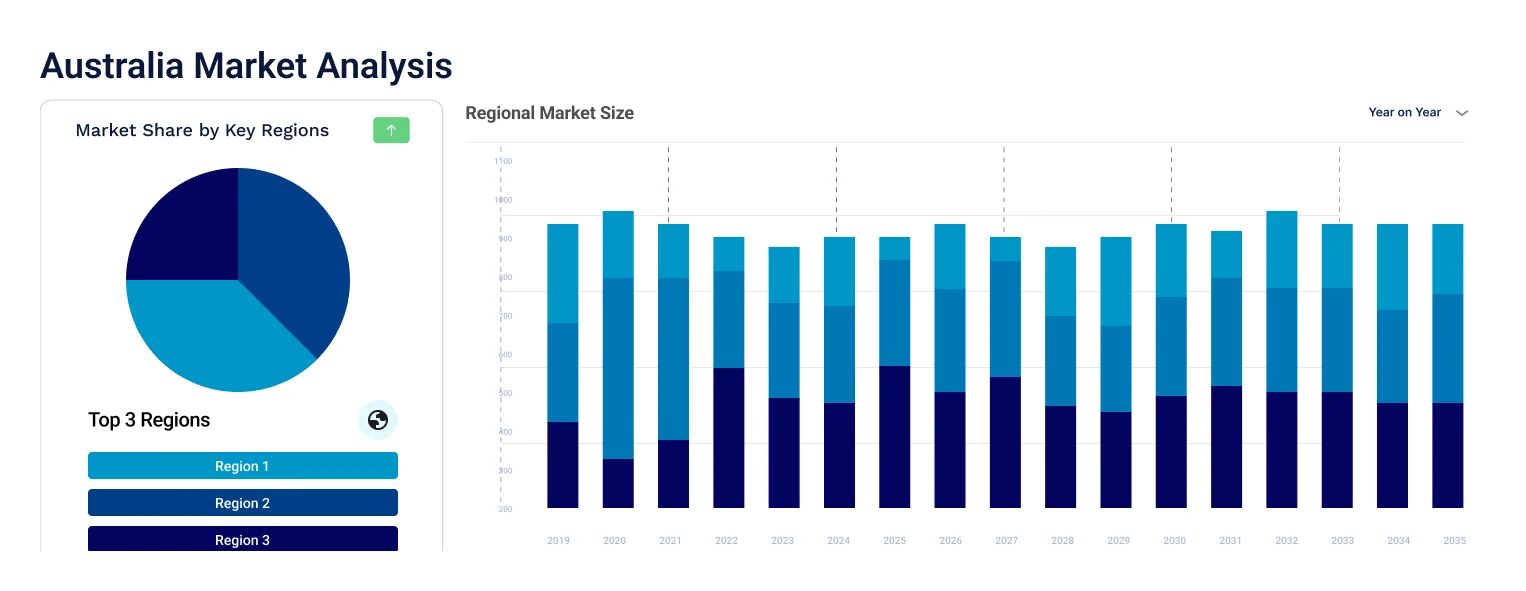
Key Insight: Metropolitan scale, hospitality density, and diverse retail networks contribute to New South Wales. Victoria derives its support from the food scene in Melbourne and the appreciation of fine drinks. Tourism and population increase in addition to hospitality development have supported Queensland. Urban demand concentration and employment in institutions are the key driving factors for the Australian Capital Territory’s growth. Mining income, tourism and local wine making have been important for the Western Australia alcoholic beverages market. Others derive their support from regional hospitality, tourism, and specialty producers. The market differences in channel architecture, preferences, and seasonality define the local distribution strategies.
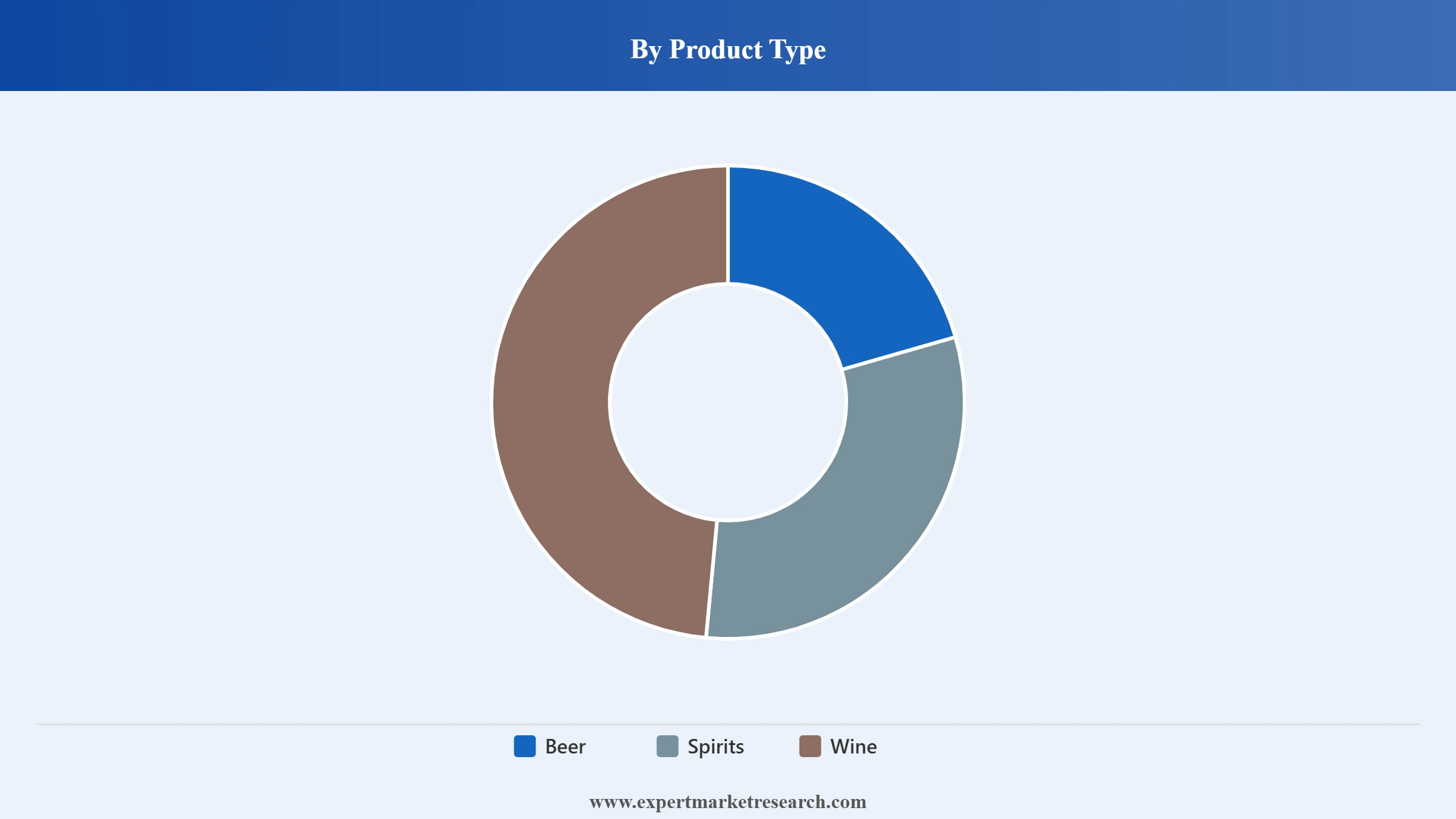
By product type, beer leads the market growth due to established brewing networks and widespread consumption
Beer continues to be the leading product segment in the Australia alcoholic beverages market as the country’s existing beer manufacturing facilities and draught as well as retail networks ensure regular demand. The major beer companies are improving their offerings in terms of lager and ale for specific consumption scenarios. Lager is the most popular beer drink due to the commercial success of the taste, process and packaging methods of the beverage. Ale has better craft appeal. In March 2025, XXXX launched a new alcoholic ginger beer, expanding its iconic Australian beer portfolio into a growing alternative beverage category.
Read more about this report - Request a Free Sample
Spirits exhibit rapid demand in the Australia alcoholic beverages market as manufacturers are introducing spirits that go beyond the conventional beer and wines in terms of premium and flavored offers. The whiskeys, vodkas, and rums fulfill distinct purposes of the product offering. Vodka is used as a base for cocktails, whiskey benefits from the aging story, while rum is associated with cocktails in general.
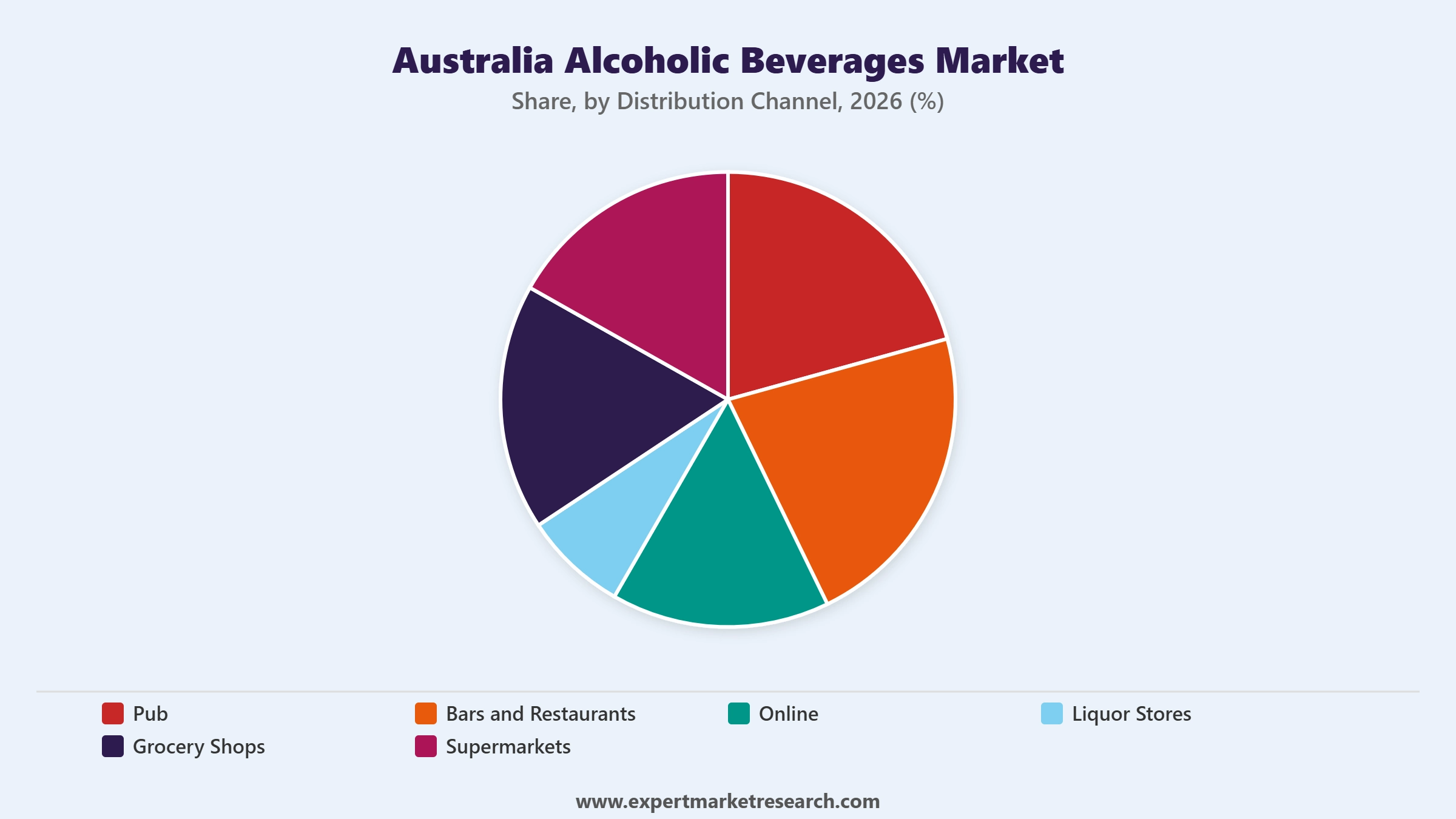
By distribution channel, liquor stores secure the leading market share through specialist merchandising and extensive alcohol category depth
Liquor stores continue to contribute to the Australia alcoholic beverages market revenue due to providing category depth, having alcohol merchandise, and building up good relationships with suppliers. National chain and independent liquor stores can supply the full range of beers, wines, and liquors for various price points. Liquor stores' structure allows them to be able to have promotions and segmentation within the category. Another supporting distribution channel would be grocery shops that allow the sale of beverages along with the food items. In February 2024, Paramount launched BottleStop, a new banner group designed to strengthen independent liquor retailers and expand their competitive positioning nationwide.
Read more about this report - Request a Free Sample
Digital channels are becoming the fastest-growing distribution channel in the Australia alcoholic beverages market as consumers are using it more often for comparison of brands and specialist products and delivery at home. Digital retail provides alcohol suppliers with valuable information about consumer behavior that will be helpful for making decisions on assorting and promotions. Moreover, digital retail allows smaller distilleries, wineries, and breweries to get their products to consumers outside their distribution territories. In July 2026, Molson Coors expanded its non-alcoholic portfolio by introducing Naked Life, targeting consumers seeking sophisticated alcohol-free drinking alternatives.
Read more about this report - Request a Free Sample
New South Wales clocks in the leading market position through urban scale, hospitality density and diverse retail infrastructure
The New South Wales region offers a strong regional market environment because of the urban population size, mature hospitality market, and presence of the retail network, which creates significant chances of beverage distribution. Sydney hosts premium restaurants, bars and specialty retailers which require differentiated portfolio of wines, spirits and craft beers, boosting the overall Australia alcoholic beverages market value. There are also additional needs coming from regional centers due to hospitality and tourism. Mark Anthony Brands announced a direct Australian launch, taking over White Claw distribution from Lion from November 1, 2025.
Queensland commands expanding share in the Australia alcoholic beverages market because of the continued growth of tourism, hospitality and population development which continues generating additional occasions of beverage consumption. The Brisbane region hosts restaurants, bars and premium retail stores, while coastal regions generate additional seasonal demand for beer, spirits and ready-to-drink beverages. Suppliers are able to use the Queensland region for the development of hospitality-oriented portfolio of products and testing the products for social and outdoor occasions.
The market is experiencing the shift of competition from portfolio differentiations to premiumization, digital route-to-market, and production efficiencies. Leading Australia alcoholic beverages market players are working on reinforcing existing brands and investigating low ABV beverages, premium spirits, craft-based products, and better packaging solutions. Key opportunities include innovations, sustainable production, data-driven category management, and distribution.
Australia alcoholic beverage companies which have partnerships with retail and hospitality segments will be able to react to changes in consumption occasions more rapidly. Technology is becoming a factor as companies enhance demand management and increase supply chain visibility. International firms have taken advantage of their global portfolios by tailoring their products to Australian tastes. However, production capabilities in wine, beer, and spirits industries continue to matter in the country.
Founded in 1862 in Spain, Bacardi has its headquarters in Hamilton, Bermuda. The company has a wide range of spirit portfolio which includes Bacardí rum, Grey Goose vodka, Bombay Sapphire gin, and Dewar’s whisky. Bacardi’s strategy in Australia is centered on premium spirits, cocktail occasions, and unique drinking experiences. Low alcohol volume and non-alcoholic drinks are also being developed by Bacardi.
Founded in 1997, Diageo has its headquarters in London, United Kingdom. The business of Diageo in Australia sells more than 200 brands which include Johnnie Walker, Smirnoff, Captain Morgan, Baileys, and Bundaberg. The company offers a combination of international brands along with Australian products. Its wide portfolio enables Diageo Australia to cover whiskies, vodkas, rums, liqueurs, and RTDs.
Founded in 1945, Constellation Brands has headquarters based in New York, United States. The corporation operates in beer, wine and spirits categories that include Corona, Modelo, Kim Crawford, Meiomi, and High West. The corporation has a strong history in wine, it focuses on premium brands, consumer innovation and high margin categories.
Founded in 1864 and headquartered in Amsterdam, Netherlands, Heineken runs a range of beer products with Heineken being one of them. For its presence in Australia, Heineken focuses on premium beer strategy and brand recognition through hospitality distribution.
Other key players in the market include Anheuser-Busch Inbev SA/NV, Brown-Forman Corporation, Molson Coors Beverage Company, Pernod Ricard S.A., Grupo Corona, and Vok Beverages Pty Ltd., among others.
*Please note that this is only a partial list; the complete list of key players is available in the full report. Additionally, the list of key players can be customized to better suit your needs.*
Unlock the latest insights with our Australia alcoholic beverages market trends 2026 report. Discover regional growth patterns, consumer preferences, and key industry players. Stay ahead of competition with trusted data and expert analysis. Download your free sample report today and drive informed decisions in the market.


Upto 15% Off
USD
$2499 $2249
$3999 $3599
$4999 $4249
$5999 $5099


*While we strive to always give you current and accurate information, the numbers depicted on the website are indicative and may differ from the actual numbers in the main report. At Expert Market Research, we aim to bring you the latest insights and trends in the market. Using our analyses and forecasts, stakeholders can understand the market dynamics, navigate challenges, and capitalize on opportunities to make data-driven strategic decisions.*
In 2025, the market reached an approximate value of USD 18.06 Billion.
The market is projected to grow at a CAGR of 4.20% between 2026 and 2035.
The market is estimated to witness a healthy growth during 2026-2035 to reach around USD 27.25 Billion by 2035.
Stakeholders are strengthening premium portfolios, developing differentiated formats, improving sourcing flexibility, expanding digital channels and using consumer insights to refine pricing and product positioning.
The key trends aiding the market include the trend of experiential drinking such as attending tasting events, going on brewery tours and growing emphasis on creativity in flavours and mixology.
Regions considered in the market are New South Wales, Victoria, Queensland, Australian Capital Territory, and Western Australia, among others.
Based on product type, market segmentations include beer, spirits, and wine, among others.
Various distribution channels are pub, bars and restaurants, online, liquor stores, grocery shops, and supermarkets, among others.
The key players in the market include Bacardi & Company Limited, Diageo Plc, Constellation Brands, Inc., Heineken Holding N.V., Anheuser-Busch Inbev SA/NV, Brown-Forman Corporation, Molson Coors Beverage Company, Pernod Ricard S.A., Grupo Corona, and Vok Beverages Pty Ltd., among others.
Companies face changing consumption patterns, excise costs, wine oversupply, stricter regulation, supply-chain pressures and rising competition from premium, low-alcohol and differentiated beverage categories.
Explore our key highlights of the report and gain a concise overview of key findings, trends, and actionable insights that will empower your strategic decisions.
| REPORT FEATURES | DETAILS |
| Base Year | 2025 |
| Historical Period | 2019-2025 |
| Forecast Period | 2026-2035 |
| Scope of the Report |
Historical and Forecast Trends, Industry Drivers and Constraints, Historical and Forecast Market Analysis by Segment:
|
| Breakup by Product Type |
|
| Breakup by Distribution Channel |
|
| Breakup by Region |
|
| Market Dynamics |
|
| Competitive Landscape |
|
| Companies Covered |
|
Datasheet
One User
USD 2,499
USD 2,249
tax inclusive*
Single User License
One User
USD 3,999
USD 3,599
tax inclusive*
Five User License
Five User
USD 4,999
USD 4,249
tax inclusive*
Corporate License
Unlimited Users
USD 5,999
USD 5,099
tax inclusive*
*Please note that the prices mentioned below are starting prices for each bundle type. Kindly contact our team for further details.*
Flash Bundle
Small Business Bundle
Growth Bundle
Enterprise Bundle
*Please note that the prices mentioned below are starting prices for each bundle type. Kindly contact our team for further details.*
Flash Bundle
Number of Reports: 3
20%
tax inclusive*
Small Business Bundle
Number of Reports: 5
25%
tax inclusive*
Growth Bundle
Number of Reports: 8
30%
tax inclusive*
Enterprise Bundle
Number of Reports: 10
35%
tax inclusive*
How To Order

Select License Type
Choose the right license for your needs and access rights.

Click on ‘Buy Now’
Add the report to your cart with one click and proceed to register.

Select Mode of Payment
Choose a payment option for a secure checkout. You will be redirected accordingly.
Strategic Solutions for Informed Decision-Making
Gain insights to stay ahead and seize opportunities.

Get insights & trends for a competitive edge.

Track prices with detailed trend reports.

Analyse trade data for supply chain insights.

Leverage cost reports for smart savings

Enhance supply chain with partnerships.

Connect For More Information
Our expert team of analysts will offer full support and resolve any queries regarding the report, before and after the purchase.
Our expert team of analysts will offer full support and resolve any queries regarding the report, before and after the purchase.
We employ meticulous research methods, blending advanced analytics and expert insights to deliver accurate, actionable industry intelligence, staying ahead of competitors.
Our skilled analysts offer unparalleled competitive advantage with detailed insights on current and emerging markets, ensuring your strategic edge.
We offer an in-depth yet simplified presentation of industry insights and analysis to meet your specific requirements effectively.




