

Consumer Insights
Uncover trends and behaviors shaping consumer choices today
Procurement Insights
Optimize your sourcing strategy with key market data
Industry Stats
Stay ahead with the latest trends and market analysis.
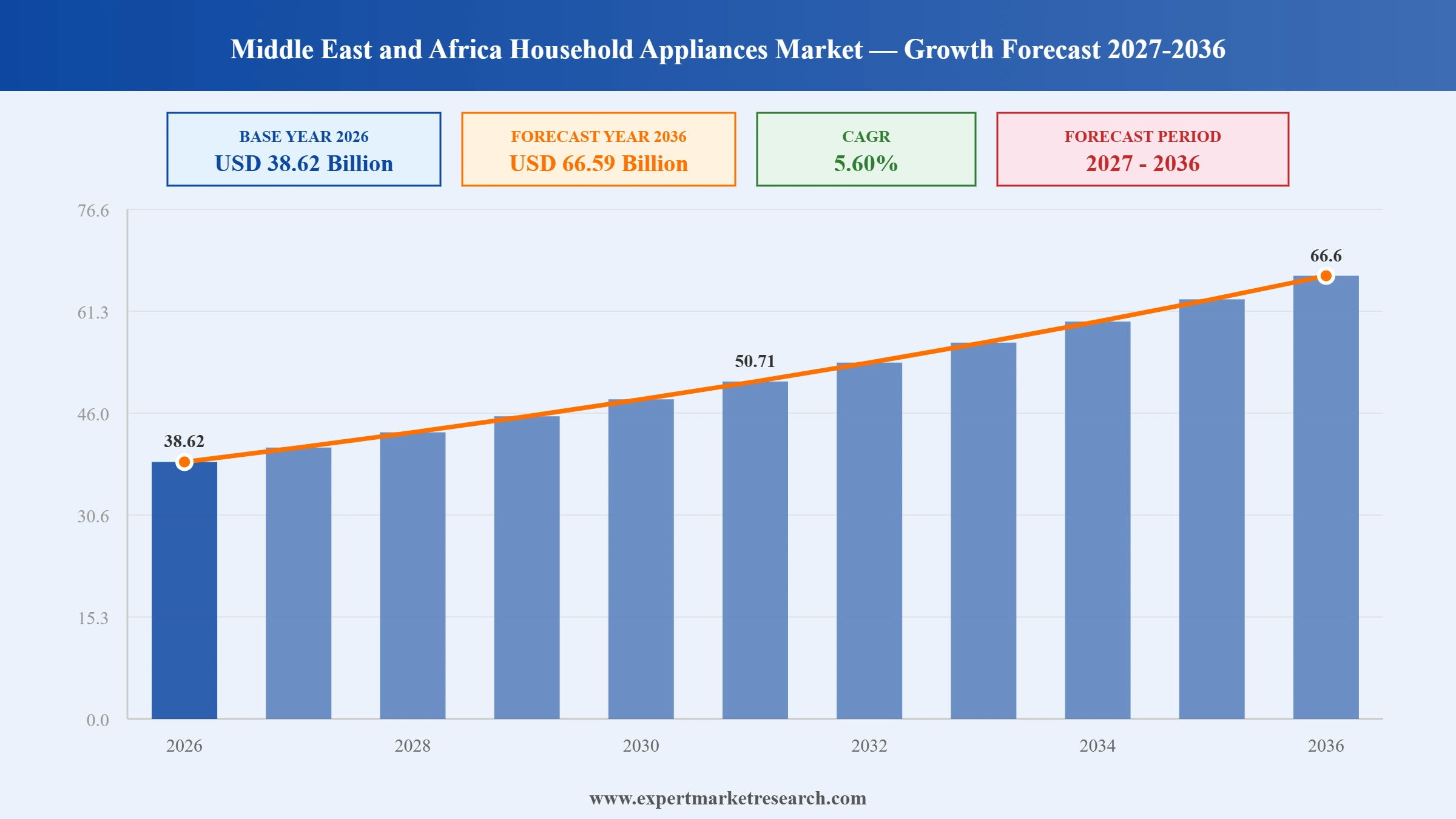
The Middle East and Africa household appliances market attained a value of USD 36.57 Billion in 2025 and is projected to expand at a CAGR of 5.60% through 2035. The market is further expected to achieve USD 63.06 Billion by 2035. The increase in homeownership, greater strictness in standards of appliance efficiency, and development of housing by builders are driving suppliers to provide compliant installation-ready appliances with robust lifetime value propositions and after-sales support within key urban markets.
A shift towards household appliances that are heat resistant, resource saving, and connected in their controls is taking place in the Middle East and Africa household appliances market. AEG, which is an Electrolux Group product, unveiled its New FAVORIT dishwasher series in September 2025 with models of 37 dB of noise, A-10% energy efficiency, and 8.4 liters of water. The development reveals an effort by manufacturers to design appliances that are quieter and resource-saving for high-end kitchens. Electrolux manufactures household goods in about 120 markets, thus providing its regional portfolio with a wide innovation base.
The development of housing units is also creating opportunities for players. According to the Middle East and Africa household appliances market analysis, over 54,000 families received housing support in the first six months of 2025, whereas over 48,000 families entered into housing units. The program aims at achieving a 70% homeownership rate of citizens by 2030. These developments are relevant for the appliance providers as new housing units need a comprehensive package of refrigeration, laundry, cooking, cleaning, and countertop appliances. In March 2025, Samsung launched Bespoke AI Laundry with 7-inch AI Home screens, AI Wash+, and AI Dry+ for smarter, efficient laundry care.
Two important factors are impacting the buying decision process in the Middle East and Africa household appliances market. The first factor is that the development of housing in Saudi Arabia is driving the need for coordinated appliance packages to be provided by the developers to equip the home and by the buyer to complete their kitchen and utility rooms. The second factor is that regulations are driving energy performance into being a procurement issue and not a product attribute.
Read more about this report - REQUEST FREE SAMPLE COPY IN PDF
Gorenje launched the G600 model with innovative washing programs, efficiency improvements, and smart appliances for the Middle Eastern market. Smart dishwashers can be customized by appliance makers according to local water quality, energy efficiency, compactness, and home automation needs.
Hisense created its regional headquarters in Dubai Internet City to enhance its performance, innovation, cooperation, and market presence in the Middle East and Africa. Firms can set up regional headquarters for better distribution, after-sales service, cooperation, and localization, accelerating the overall Middle East and Africa household appliances market expansion.
Walton released washing machines with premium Smart Wash technology powered by AI, allowing the use of automated washing cycles and increased convenience for customers. AI-enabled load sensing, automatic washing cycles, and energy management technology can be incorporated into affordable washing machines meant for emerging countries.
LG demonstrated AI-enabled home appliances designed to suit the needs of Middle Eastern people through appliances that could make household management personalized. Companies in the Middle East and Africa household appliances market can create their AI-enabled ecosystems for their specific regions, taking care of their climate and energy requirements.
One vital appliance category where efficiency standards are being tied with engineering and availability is air conditioning. The Saudi Standards, Metrology and Quality Organization (SASO) introduced new energy-efficiency standards for air conditioners under SASO 2874:2025 and SASO 2663:2025, in April 2026. This standard calls upon the suppliers to improve the compressors, controllers, heat exchange efficiency, and labeling of the appliance before launching the same in the Middle East and Africa household appliances market. Aligning with this trend, in September 2025, LG partnered with DATAVOLT and SHAKER Group to supply advanced cooling solutions for a major AI data center in Saudi Arabia.
The housing construction is creating an opportunity for Middle East and Africa household appliances market players to gain bigger orders from housing projects and furnishing firms. Moreover, the Housing Program is aiming at increasing home ownership and private sector involvement. Therefore, it will benefit the appliance suppliers that can package the refrigerators, washing machines, ovens, dishwasher, vacuum cleaner, and other appliances together. In March 2026, Gorenje highlighted premium European appliances featuring energy efficiency, built-in designs, and Ramadan-focused solutions for modern Middle Eastern households.
Another crucial type of equipment on which efficiency standards are being linked to engineering and availability is air conditioning. The standards organization in Saudi Arabia expects the suppliers to upgrade the compressors, controls, efficiency of heat exchangers and labelling of the equipment before placing them in the Middle East and Africa household appliances market. As a response, in January 2026, IVEDA launched local home appliance manufacturing in Egypt, expanding beyond smart cities into broader consumer markets and production capabilities.
There is enough scope for development in small appliances due to customers' demands regarding specific features that would be built into small appliances. 2025 launches from De’Longhi include models such as La Specialista Touch and Dedica Duo espresso machines, which focus on personalized coffee making, both hot and cold preparation, as well as user-friendly controls. The company Philips keeps introducing air purifiers using multi-stage filtration systems and high clean-air delivery rates. These wellness functions can easily be integrated into the portfolio of the company. Aligning with this trend in the Middle East and Africa household appliances market, in September 2024, Frigidaire launched three new small household appliances, expanding its portfolio with convenient, versatile products designed for modern household needs.
The Middle East and Africa household appliances market trend towards premiumization is emerging by becoming more product oriented through quietness, accuracy, advanced cooking technology, and efficiencies. The new AEG FAVORIT range from Electrolux is a good example of this where a quiet operation is combined with water savings and energy performance. On another note, Bosch is rolling out the experiential retail format in the Gulf region with stores being present in Dubai, Qatar, Kuwait, Bahrain, and Saudi Arabia and having a wide portfolio of appliances. Premium positioning will increasingly be built on performance and hands-on experience with the products. In September 2026, LG unveiled NeoChef microwave designed to support African cuisine, offering tailored cooking functions for diverse local menus.
The Expert Market Research's report titled “Middle East and Africa Household Appliances Market Report and Forecast 2026-2035” offers a detailed analysis of the market based on the following segments:
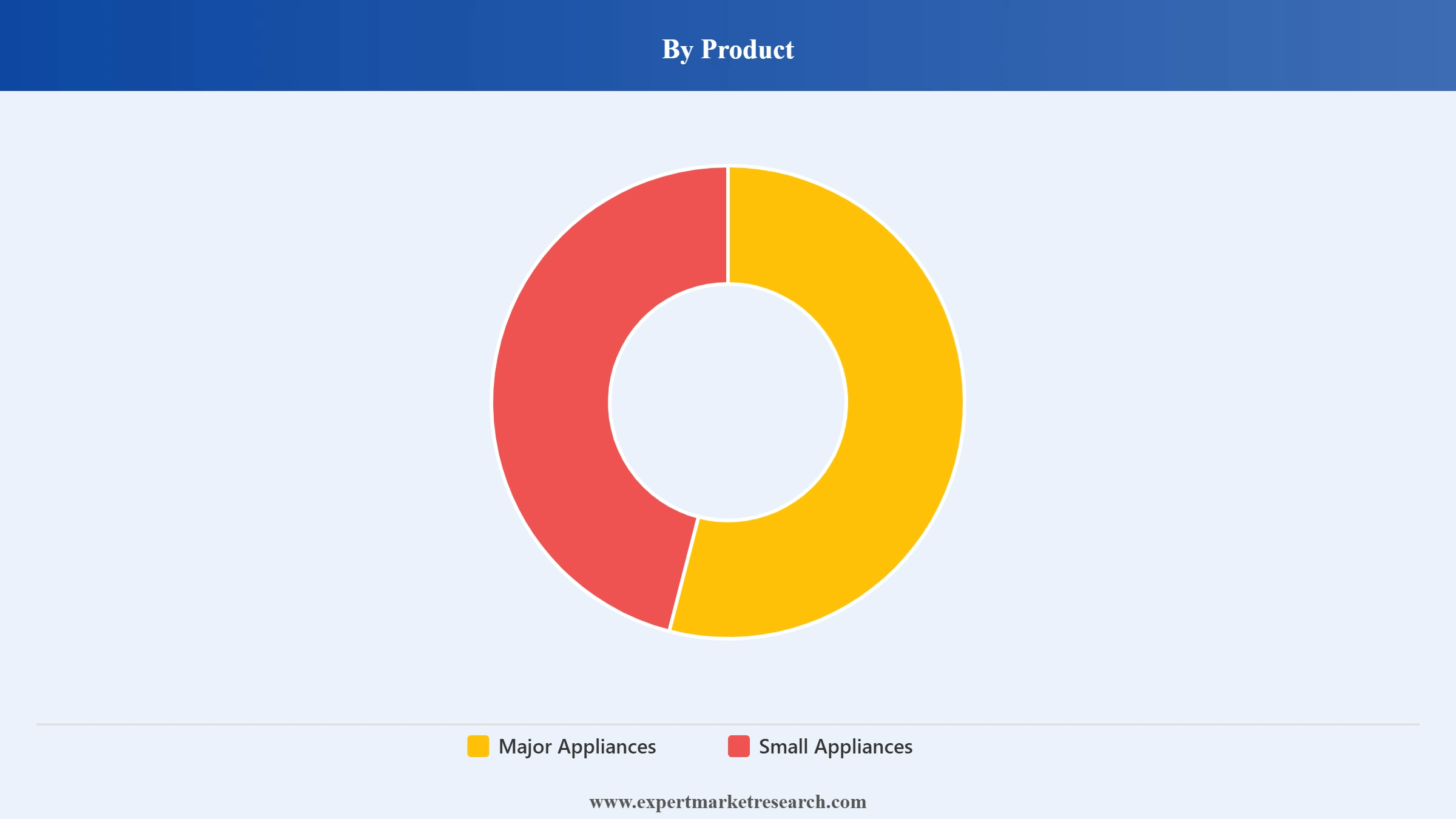
Market Breakup by Product
Key Insight: Under all the above categories considered in the Middle East and Africa household appliances market report, there is an increasing innovation in major appliances like cooling, refrigeration, laundry, dishwashing, and cooking, whereas small appliances are expanding their pipeline of innovations. The development of air conditioners is driven by factors such as climatic conditions and efficiency criteria, whereas refrigerators by food storage and efficiency. The evolution of washing machines is driven by factors such as water and energy consumption. Dish washers are evolving due to factors including silent operation and reduction in the use of water. Ovens are evolving through precise cooking processes, and other major appliances are evolving by efficient space utilization. In May 2026, Gorenje introduced its G800 built-in oven, combining advanced cooking technology with modern design and enhanced kitchen functionality.
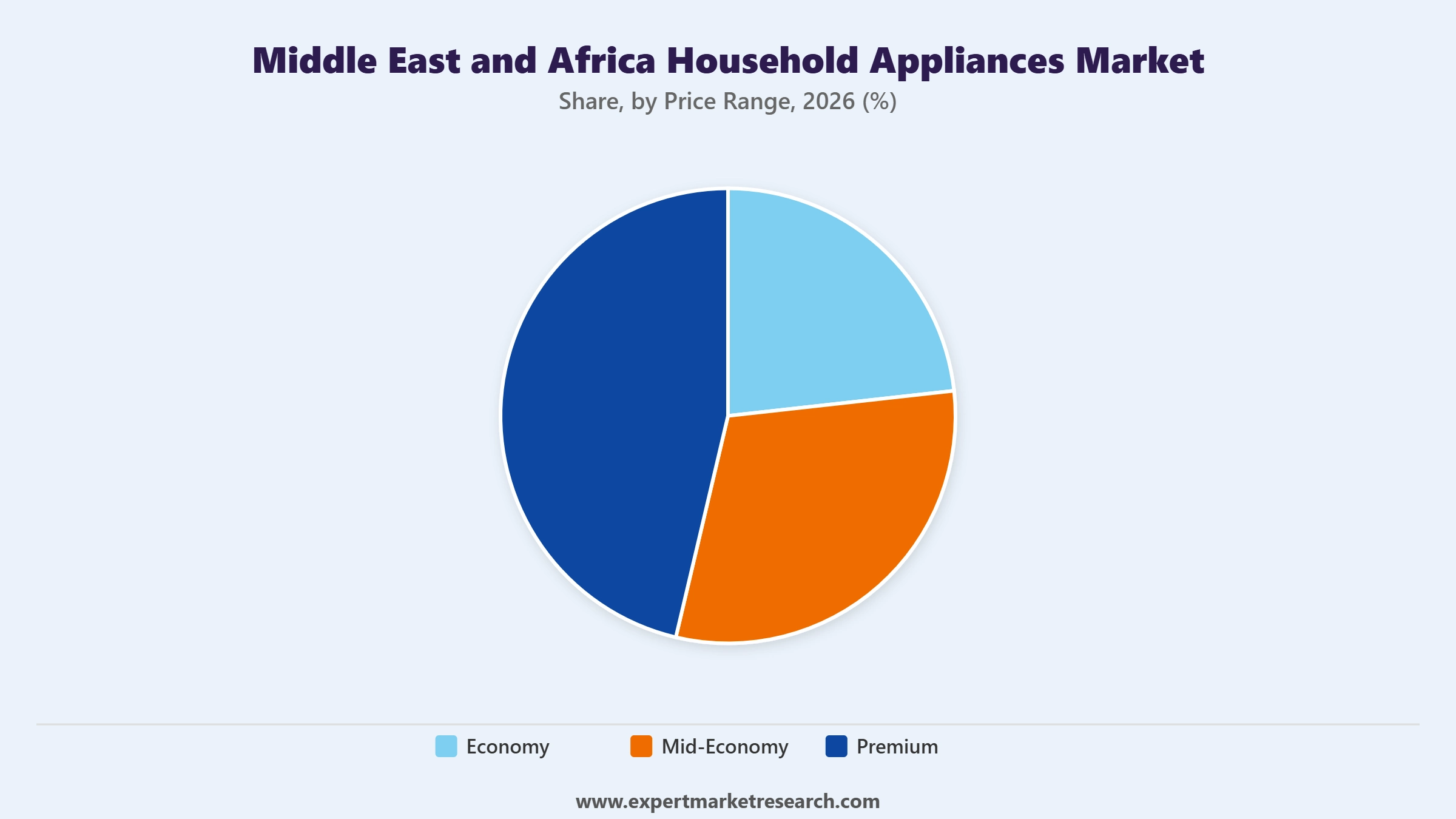
Market Breakup by Price Range
Key Insight: As per the Middle East and Africa household appliances market report, economy appliances cater to the needs of affordable pricing and functionality and thus are suited for budget-conscious families and for standardized home package deals. Mid-economy appliances combine pricing with energy efficiency, durability, warranty services, and user-friendly controls, and thus are ideal for widespread household usage. Premium appliances offer differentiation through cooking capabilities, low noise level, connectivity features, aesthetic design, and filtration systems.
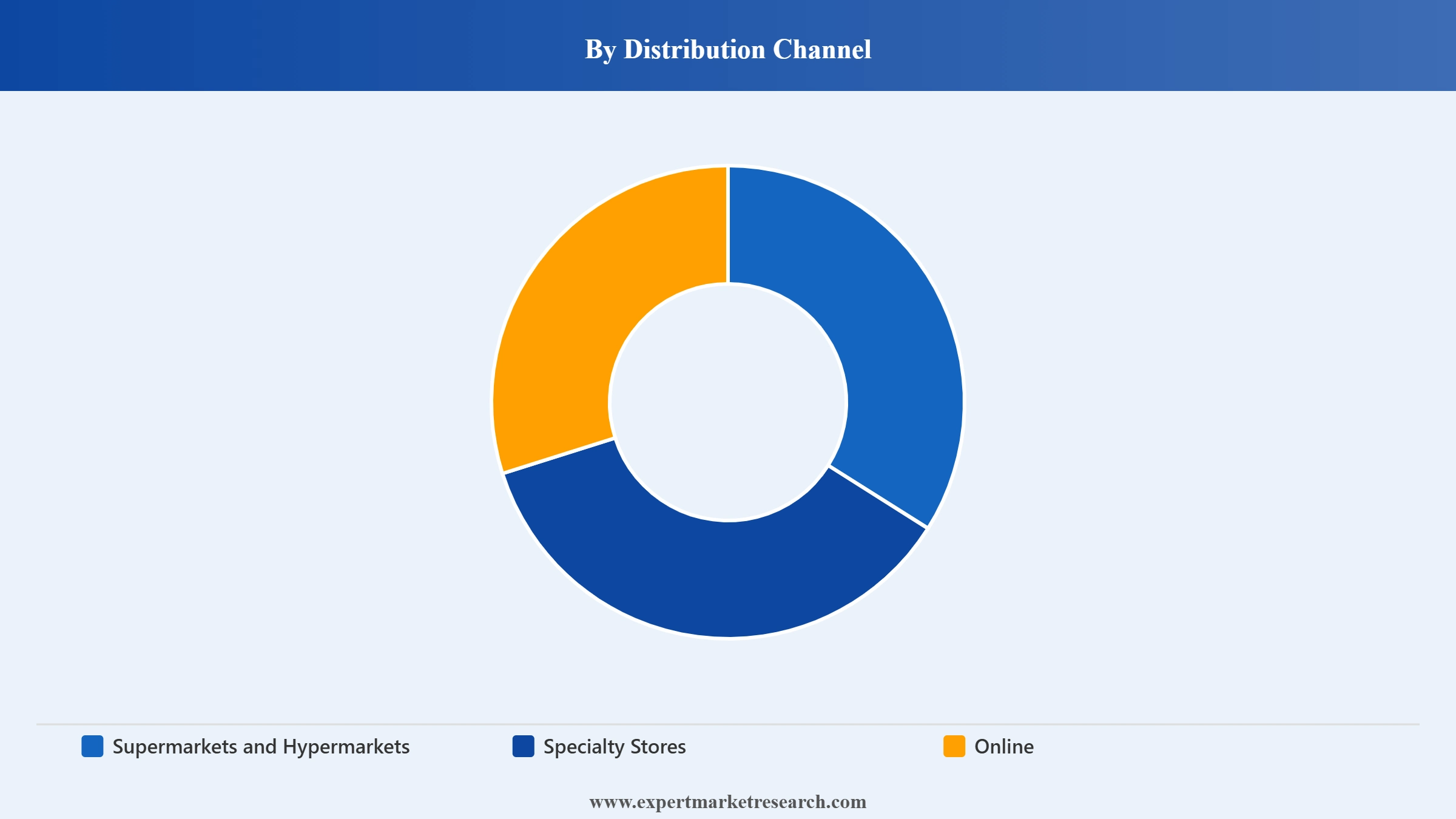
Market Breakup by Distribution Channel
Key Insight: Supermarkets and hypermarkets support the Middle East and Africa household appliances market growth with wide visibility, demos, promotions, and cross-selling of the appliance range. The specialty stores play an important role in the sale of premium appliances, technical advice, demos, and explanations for certain categories like coffee machines, air purifiers, and water treatment systems. The online medium is growing through detailed specifications, reviews, comparisons on the digital medium, home delivery, and wider geographic coverage. The other medium, which includes direct selling, distribution, departmental stores, and project procurement, helps cater to institutional and development-related needs.
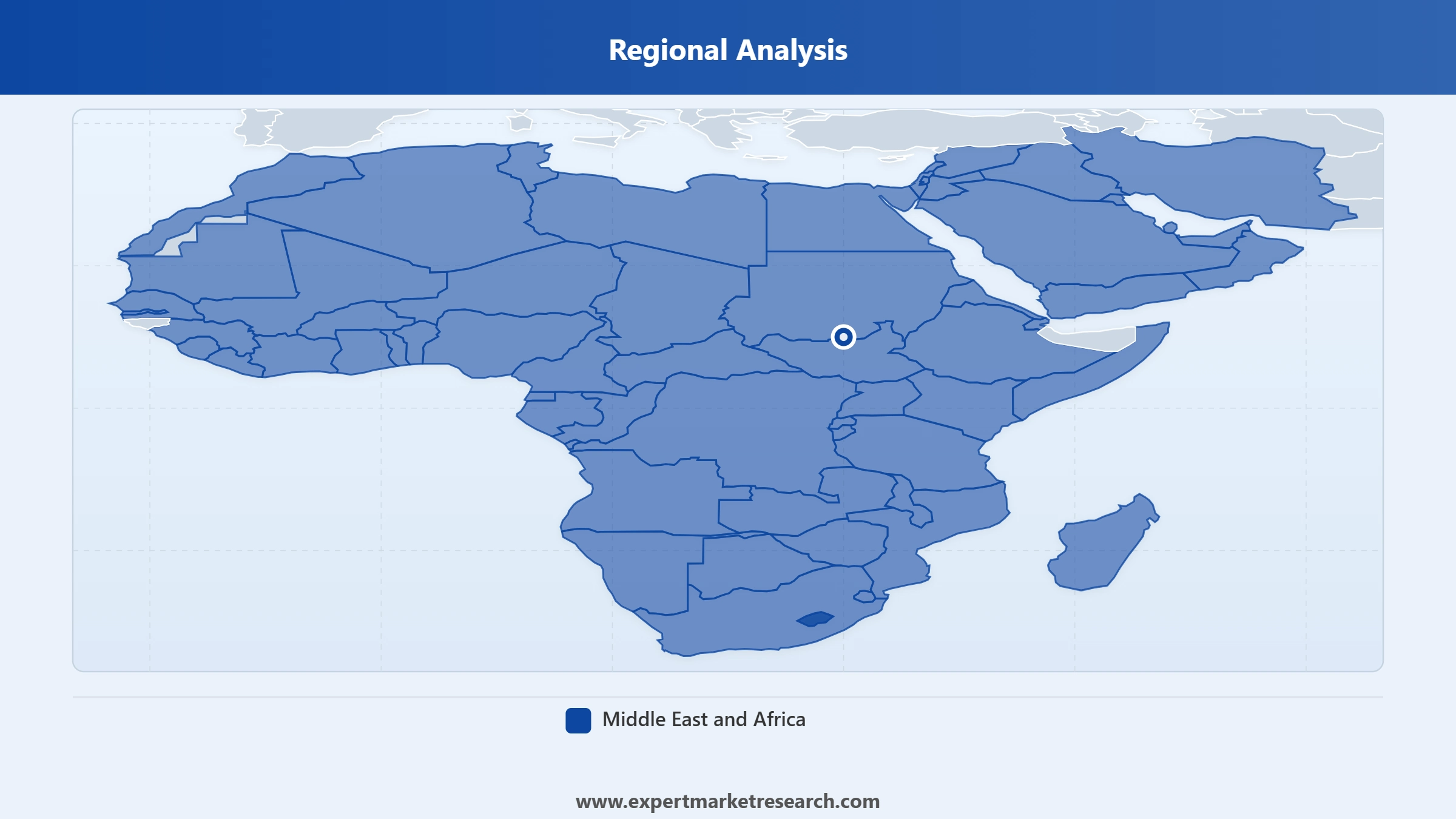
Market Breakup by Region
Key Insight: Growth in the Saudi Arabia market is supported by housing schemes, residential supplies, and improved efficiency standards of appliances, leading to demand for appliances that meet the required standards. United Arab Emirates is influenced by high-end developments, adoption of connected homes, and retail developments, leading to more value-added and technologically advanced appliances. Nigeria and South Africa, in the provided regional perspective, have other opportunities linked to urbanization, formation of households, modernized retail and energy-efficient appliances. Other countries in the Middle East and Africa household appliances market have opportunities owing to increasing tourism, residential construction, and modernized retail networks.
Read more about this report - REQUEST FREE SAMPLE COPY IN PDF
Major appliances are leading growth in the Middle East and Africa household appliances market as housing projects need cooling, refrigeration, washing, and cooking appliances. Summer demand and growing energy-efficiency requirements support air conditioner sales, while refrigerators, washing machines, dishwashers, and ovens remain essential for complete home outfitting. Such product segments can help developers and distributors offer specifications, installation, and replacement needs. Suppliers aim at offering more advanced systems, efficient motors, long-lasting materials, silent operation, smarter controls, and maintenance-friendly appliances. In September 2026, Samsung launched its new TMF refrigerator in Saudi Arabia, combining advanced cooling technology with practical food preservation features.
Read more about this report - REQUEST FREE SAMPLE COPY IN PDF
Smaller appliances represent another fast-growing category in the Middle East and Africa household appliances market, as people are increasingly seeking compact devices for preparing food, cleaning, purifying air, and beverages. Vacuum cleaners, grills, food processors, air purifiers, coffee makers, and water purifiers make it possible for suppliers to offer new capabilities without occupying the space that could otherwise be needed for major appliances. High-end homes and specialty stores create opportunities for controls, multifunctionality, speedy preparation, and wellness features.
Mid-level appliances are the predominant price category due to consumers' consideration of cost versus durability, energy consumption, and warranty, contributing to the Middle East and Africa household appliances market revenue. These appliances fit into mass housing developments and existing retail sales channels where distributors require reliability in volume and stock. Manufacturers are improving this category of appliances by incorporating inverter systems, washing cycles, digital control systems, increased insulation, and modularity. In February 2026, LG Electronics showcased AI-powered home solutions tailored to Middle Eastern and African consumers, enhancing convenience, connectivity, and personalized appliance experiences.
Read more about this report - REQUEST FREE SAMPLE COPY IN PDF
Premium appliances register expanding share in the Middle East and Africa household appliances market because of the increase in the performance of appliances, connectivity capabilities, elegance, and specialized cooking/cleaning capabilities. Demand for these appliances is driven by high-end customers, luxury developments, hotel-connected apartments, and premium retailers. Consumers seek quieter performance, increased energy efficiency, automatic settings, filtering systems, and good after-sales services.
Hypermarkets and supermarkets continue to be the leading distribution channel that is boosting the overall Middle East and Africa household appliances market value. This is because they offer both a wide range of appliances and demonstrations, promotions, financing, and servicing. Supermarket chains allow for the purchase of a variety of appliances including refrigerators, washing machines, ovens, vacuum cleaners, and other small appliances within one shopping trip. The visibility and wide customer base are the main reasons for manufacturers to use supermarket chains. Moreover, suppliers increasingly use demonstrations, displays and qualified personnel to show off their products and educate on the issues of energy labels and connectivity of the devices.
Read more about this report - REQUEST FREE SAMPLE COPY IN PDF
Online remains to be the most rapidly developing distribution channel in the Middle East and Africa household appliances market due to the ability of customers and companies to compare specifications, energy labels, reviews, delivery terms, and warranties online prior to purchase. Online distribution allows manufacturers to promote specialty appliances like high-end coffee machines, air and water purifiers and various cleaning devices without need for wide shelves. In June 2026, Havells partnered with Jumbo Group to enter UAE kitchen appliances, expanding its regional consumer durable portfolio and distribution reach.
Saudi Arabia represents the strongest regional household appliances market in Middle East and Africa since housing construction, home ownership, and appliance efficiency regulations create a favorable replacement and installation opportunity in the region. Suppliers are reacting to changes in the air conditioner specification and existing energy efficiency licensing in the region for refrigerators, washers, and dryers. Suppliers that have local distribution, installation, spare parts, and compliance capabilities can supply residential developments while increasing their customer retention rates.
Read more about this report - REQUEST FREE SAMPLE COPY IN PDF
The United Arab Emirates commands significant share in the Middle East and Africa household appliances market value since premium developments, connectivity in the homes, tourism related developments, and sophisticated retail channels increase demand for premium appliances. Dubai and Abu Dhabi are significant markets for kitchen appliances, connected cleaning appliances, air purification, and specialty cooking appliances. In July 2026, TCL launched VoxIN JetMax air conditioner in UAE, expanding beyond televisions with advanced cooling and enhanced comfort technologies.
The competitive environment is becoming more concerned about energy efficiency, climatic engineering, connectivity, high-end kitchen equipment, and post-sale services. Middle East and Africa household appliances market players are fine-tuning their compressors, motors, filter systems, sensors, and control technologies for operational advantages and not aesthetics. Compliance is another crucial factor, especially in Saudi Arabia with its efficiency licensing for household appliance and air conditioner standards affecting specifications.
Opportunities can arise from the supply of appliances in residential construction projects where standard packages of appliances, coordination during installation, and spare parts availability become critical. The other area for growth lies in premium small appliance segments like coffee machines, air purification equipment, food processors, and unique cleaning equipment that can be refreshed faster than major appliances. Middle East and Africa household appliance companies with localized product engineering and flexible distribution channels can cater to different price points. They can also develop relationships with contractors, kitchen integrators, property developers, and online retailers for enhanced reach and useful feedback on demand and performance.
Robert Bosch GmbH is a company which was founded in 1886 and is based in Germany. In the Middle East, it provides products in the field of household appliances. The company's GCC outlets stock refrigerators, ovens, dishwashers, washers, dryers, vacuum cleaners, and coffee machines. It promotes the advantages of German engineering, efficiency, connectivity, kitchen design, and direct product demonstrations.
Koninklijke Philips N.V., which was founded in 1891, is based in Netherlands. Currently, its focus is on health technologies and personal health. Air purifiers of the Philips brand are still connected with the topic of wellness and use multi-stage purification and high clean-air delivery rate.
Electrolux AB is a company formed in 1910, and its headquarters is located in Stockholm, Sweden. It provides services to this region through brands such as Electrolux and AEG. The range includes products such as refrigeration, cooking, dishwashing, laundry, vacuuming, air treatment, and small appliances.
De’Longhi S.p.A. was founded in 1902 and its headquarter is located in Treviso, Italy. It focuses on the Middle East through small appliances like the ones used for coffee making. The range includes connected espresso systems and machines that cater to personalization, convenience, and Italian aesthetics.
Other key players in the market include Samsung Electronics Co. Ltd., LG Electronics Inc., Whirlpool Corporation, Hisense Corporation, Hitachi, Ltd., Panasonic Holdings Corporation, Haier Group Corporation, Gree Electric Appliances, Inc., and Midea Group Co. Ltd., among others.
*Please note that this is only a partial list; the complete list of key players is available in the full report. Additionally, the list of key players can be customized to better suit your needs.*
Unlock the latest insights with our Middle East and Africa household appliances market trends 2026 report. Discover regional growth patterns, consumer preferences, and key industry players. Stay ahead of competition with trusted data and expert analysis. Download your free sample report today and drive informed decisions in the market.


Upto 15% Off
USD
$2499 $2249
$3999 $3599
$4999 $4249
$5999 $5099


*While we strive to always give you current and accurate information, the numbers depicted on the website are indicative and may differ from the actual numbers in the main report. At Expert Market Research, we aim to bring you the latest insights and trends in the market. Using our analyses and forecasts, stakeholders can understand the market dynamics, navigate challenges, and capitalize on opportunities to make data-driven strategic decisions.*
In 2025, the market reached an approximate value of USD 36.57 Billion.
The market is projected to grow at a CAGR of 5.60% between 2026 and 2035.
The market is estimated to witness healthy growth in the forecast period of 2026-2035 to reach USD 63.06 Billion by 2035.
The most owned household appliances are microwaves, refrigerators, cookers/ovens, vacuum cleaners, and washing machines.
A home appliance or a household appliance is a machine that assists in household functions such as cooking, cleaning, and food preservation.
Stakeholders are localizing product specifications, expanding distributor networks, strengthening service coverage, improving digital product education, bundling appliances for housing projects, and developing efficient, connected product ranges for regional B2B appliance buyers.
Key trends aiding market expansion include advancement in appliance design, rising demand for energy-efficient products, and the expansion of the residential real estate market.
Major countries in the market are Saudi Arabia, the United Arab Emirates, Nigeria, South Africa, and others.
The distribution channels of household appliances are supermarkets and hypermarkets, specialty stores, online, and others.
The key players in the market include Robert Bosch GmbH, Koninklijke Philips N.V., Electrolux AB, De’Longhi S.p.A., Samsung Electronics Co. Ltd., LG Electronics Inc., Whirlpool Corporation, Hisense Corporation, Hitachi, Ltd., Panasonic Holdings Corporation, Haier Group Corporation, Gree Electric Appliances, Inc., and Midea Group Co. Ltd., among others.
Companies face energy-efficiency compliance, intense price competition, fragmented distribution, import and logistics costs, counterfeit products, warranty complexity, regulatory changes, and shortages of specialized local service technicians across diverse regional markets.
Explore our key highlights of the report and gain a concise overview of key findings, trends, and actionable insights that will empower your strategic decisions.
| REPORT FEATURES | DETAILS |
| Base Year | 2025 |
| Historical Period | 2019-2025 |
| Forecast Period | 2026-2035 |
| Scope of the Report |
Historical and Forecast Trends, Industry Drivers and Constraints, Historical and Forecast Market Analysis by Segment:
|
| Breakup by Product |
|
| Breakup by Price Range |
|
| Breakup by Distribution Channel |
|
| Breakup by Region |
|
| Market Dynamics |
|
| Competitive Landscape |
|
| Companies Covered |
|
Datasheet
One User
USD 2,499
USD 2,249
tax inclusive*
Single User License
One User
USD 3,999
USD 3,599
tax inclusive*
Five User License
Five User
USD 4,999
USD 4,249
tax inclusive*
Corporate License
Unlimited Users
USD 5,999
USD 5,099
tax inclusive*
*Please note that the prices mentioned below are starting prices for each bundle type. Kindly contact our team for further details.*
Flash Bundle
Small Business Bundle
Growth Bundle
Enterprise Bundle
*Please note that the prices mentioned below are starting prices for each bundle type. Kindly contact our team for further details.*
Flash Bundle
Number of Reports: 3
20%
tax inclusive*
Small Business Bundle
Number of Reports: 5
25%
tax inclusive*
Growth Bundle
Number of Reports: 8
30%
tax inclusive*
Enterprise Bundle
Number of Reports: 10
35%
tax inclusive*
How To Order

Select License Type
Choose the right license for your needs and access rights.

Click on ‘Buy Now’
Add the report to your cart with one click and proceed to register.

Select Mode of Payment
Choose a payment option for a secure checkout. You will be redirected accordingly.
Strategic Solutions for Informed Decision-Making
Gain insights to stay ahead and seize opportunities.

Get insights & trends for a competitive edge.

Track prices with detailed trend reports.

Analyse trade data for supply chain insights.

Leverage cost reports for smart savings

Enhance supply chain with partnerships.

Connect For More Information
Our expert team of analysts will offer full support and resolve any queries regarding the report, before and after the purchase.
Our expert team of analysts will offer full support and resolve any queries regarding the report, before and after the purchase.
We employ meticulous research methods, blending advanced analytics and expert insights to deliver accurate, actionable industry intelligence, staying ahead of competitors.
Our skilled analysts offer unparalleled competitive advantage with detailed insights on current and emerging markets, ensuring your strategic edge.
We offer an in-depth yet simplified presentation of industry insights and analysis to meet your specific requirements effectively.




