

Consumer Insights
Uncover trends and behaviors shaping consumer choices today
Procurement Insights
Optimize your sourcing strategy with key market data
Industry Stats
Stay ahead with the latest trends and market analysis.
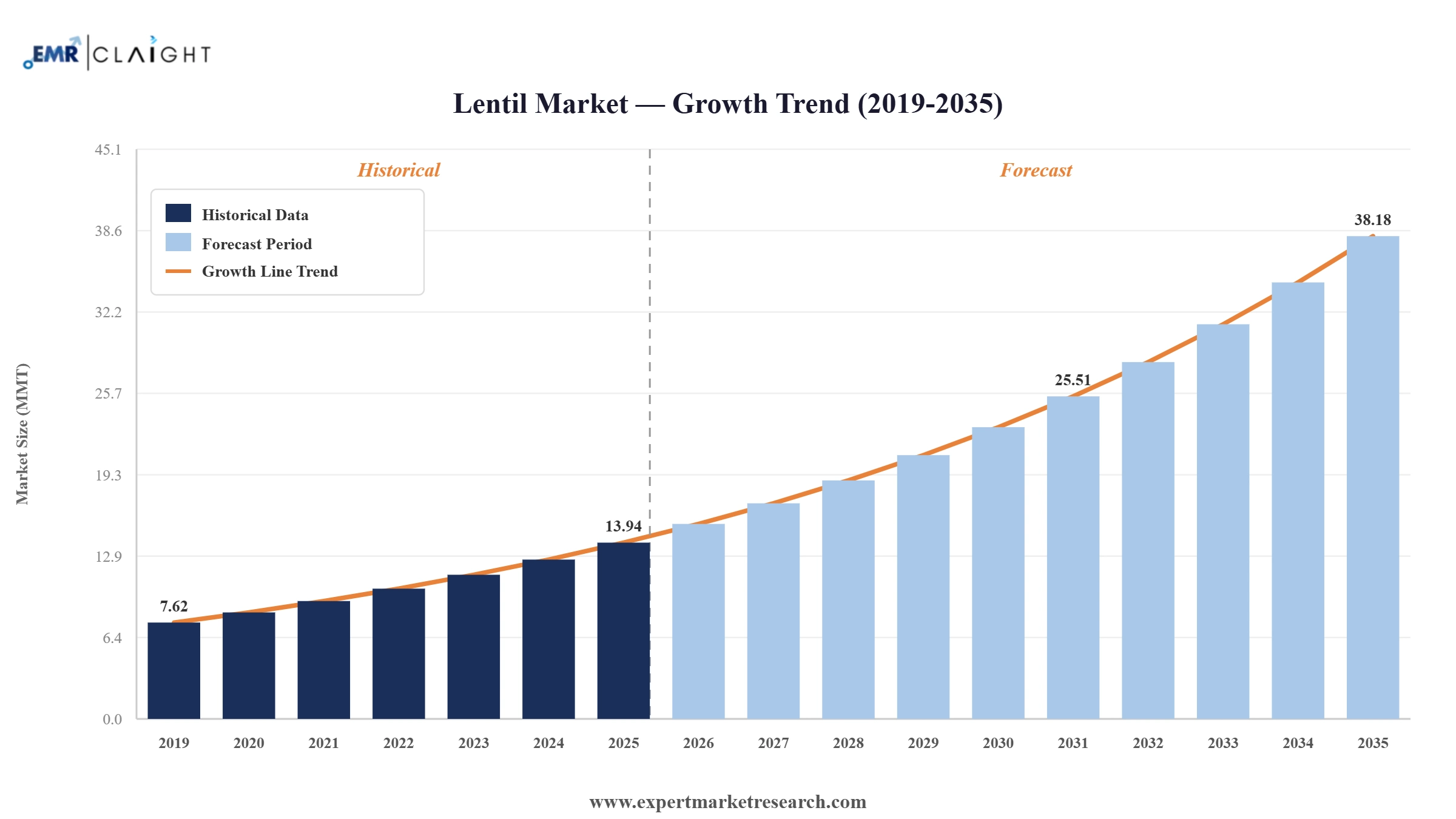
The Global Lentils Market reached a volume of 13.94 MMT in 2025 and is projected to expand at a CAGR of around 10.60% during 2026-2035. Flexitarian diet adoption, clean-label ingredient demand, and Canada's dominant export position are keeping the supply-demand balance active. The market is expected to reach 38.18 MMT by 2035. Rising plant-based protein demand, expanding food processing uses, and strong government procurement in South Asia are reshaping the global lentils market.
Read more about this report - REQUEST FREE SAMPLE COPY IN PDF
The global lentils market is being pulled in two directions. India's record domestic harvest and anticipated import duty increases are cooling the trade volumes Canadian exporters relied on, while the plant-based protein movement is opening new demand channels in food processing that simply didn't exist a decade ago.
Analysts at AgPulse Analytica reported in February 2026 that India was considering raising its lentil import duty from 10% to 30% effective April 2026. With the government committing to purchase all 2026 domestic lentil production at minimum support prices, this would sharply reduce Canadian and Australian export volumes and redraw global trade flows.
India's Statistical Authority forecast a record lentil harvest of 1.99 million tonnes for 2025-26, up from 1.65 million tonnes the previous year, based on record seeded acreage. The improved domestic supply is expected to reduce India's dependence on imports through at least the near-term trade cycle.
Canada's lentil exports climbed 14% year on year from August to November 2024, reaching approximately 0.8 million tonnes. India, Turkey, and the UAE were the leading destinations, with Saskatchewan's strong harvests and elevated carry-out stocks keeping Canada firmly positioned as the world's top lentil exporter.
A 2025 Global Protein Consumer Discovery Report found that 32% of consumers were interested in lentils as an alternative protein ingredient. Food processors are responding by incorporating lentil flour and protein concentrates into bread, snacks, meat analogues, and ready meals, diversifying demand well beyond household cooking.
Red lentils hold the largest share of global production and demand. Their quick cooking time, neutral flavor, and ease of processing make them the preferred choice for food manufacturers. Lentil-based flours and protein concentrates derived from red varieties are gaining traction in functional food and bakery applications worldwide.
The Canada-India lentil trade corridor is the single most important bilateral relationship in the global lentils market. Indian import duty policy and domestic harvest outcomes drive Canadian export volumes each season. The anticipated 2026 duty increase is pushing Canadian exporters to develop Middle Eastern, North African, and Southeast Asian alternatives.
Australia has grown its lentil production and export reach toward Bangladesh, India, and Sri Lanka. Its southern hemisphere harvest timing gives exporters a natural supply-window advantage when Northern Hemisphere stocks tighten, making Australia a reliable secondary source during inter-season gaps.
The bulk of global lentil trade moves by sea. Canada ships through West Coast Pacific ports to Asian destinations, while Australian exporters serve South and Southeast Asian markets directly. Freight rate changes and port logistics at major hubs directly affect the delivered cost competitiveness of both exporting nations.
The Middle East and Africa are growing as lentil import destinations. Turkey remains a major importer and re-processor, while Gulf states and North African markets are expanding direct purchases. In sub-Saharan Africa, rising urban populations, government nutrition programs, and the cost-effectiveness of lentils as a protein source are all driving incremental demand growth.
The report of Expert Market Research's titled "Global Lentils Market Report and Forecast 2026-2035" offers a detailed analysis of the market based on the following segments:
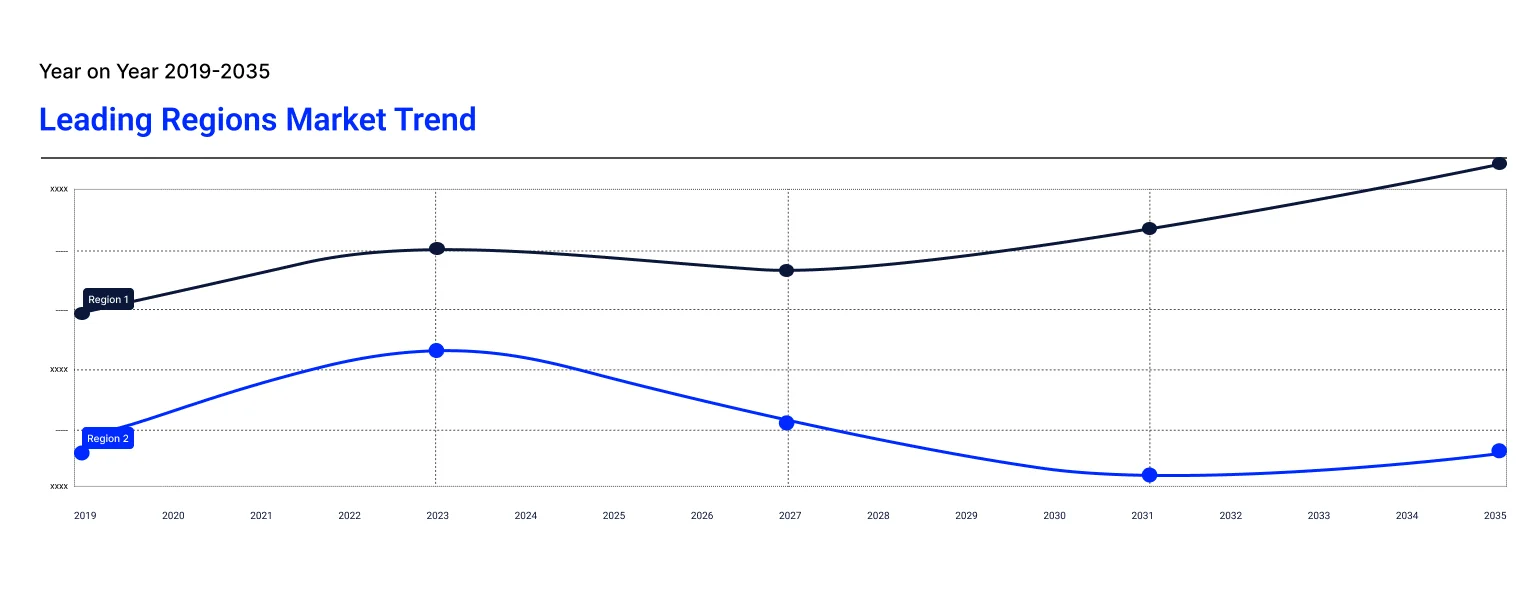
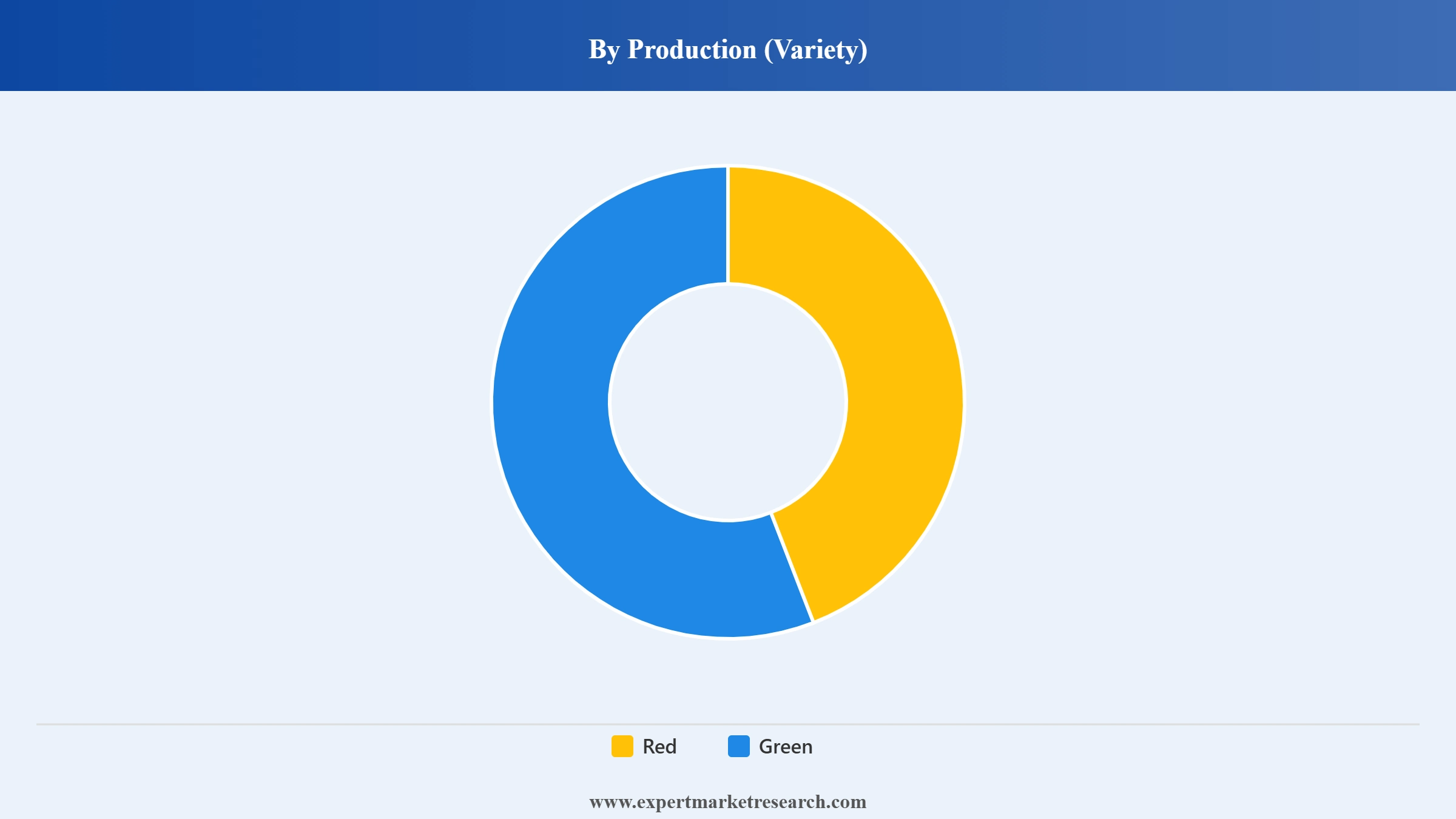
Market Breakup by Variety
Key Insight: Red lentils dominate global production and trade through their quick cooking time, neutral flavor, and versatility across soups, dals, and ingredient applications. Green lentils are gaining ground in premium retail and specialty food formats where firmer texture carries a price premium.
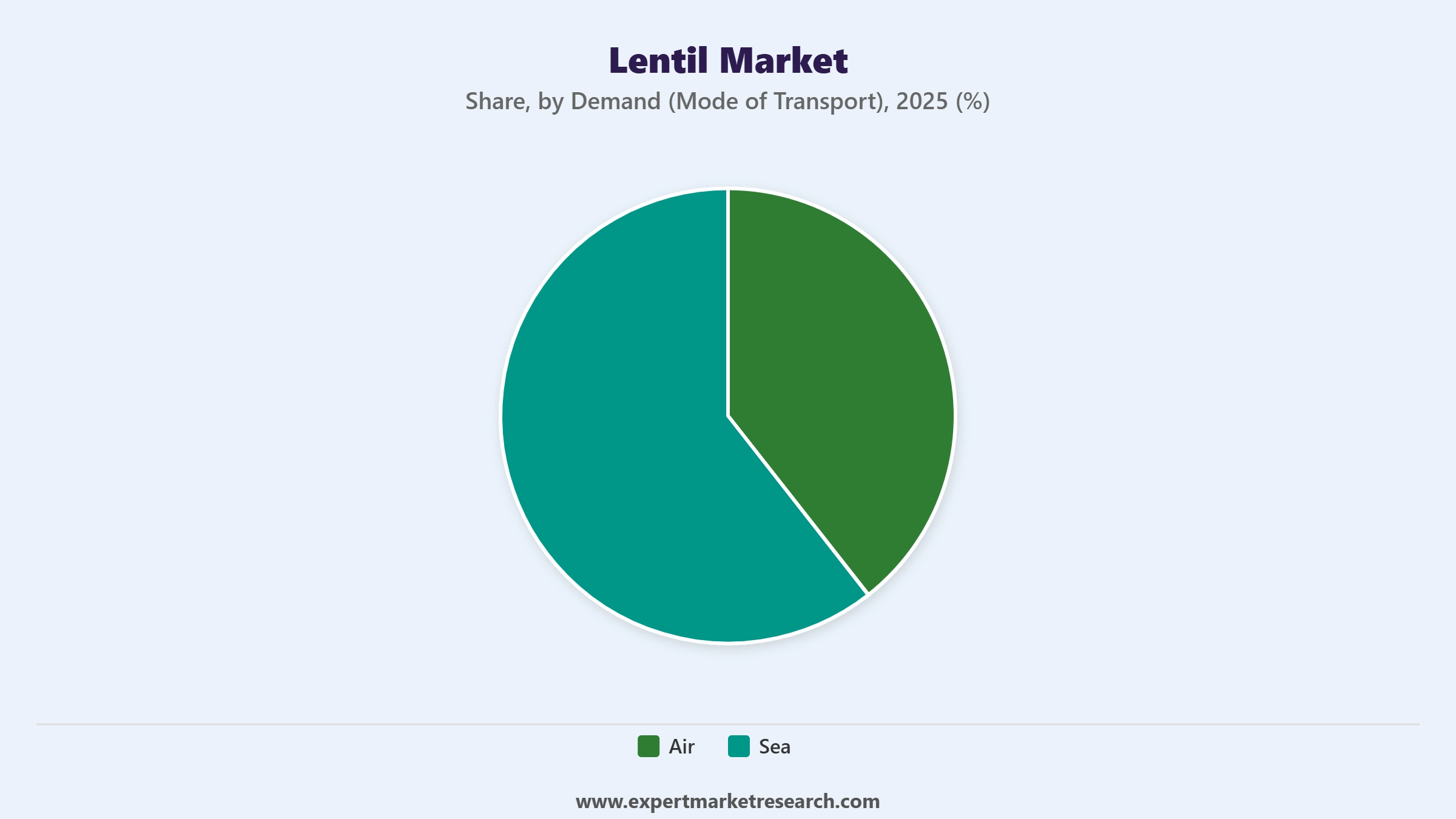
Based on demand by mode of transport, the market is segmented into:
Key Insight: Sea freight is the backbone of global lentil trade, given the distances between major producing nations (Canada, Australia) and key consuming markets (India, Bangladesh, Turkey, UAE). Land transport plays a regional role connecting processing hubs to retail and food service buyers in South and Central Asia.
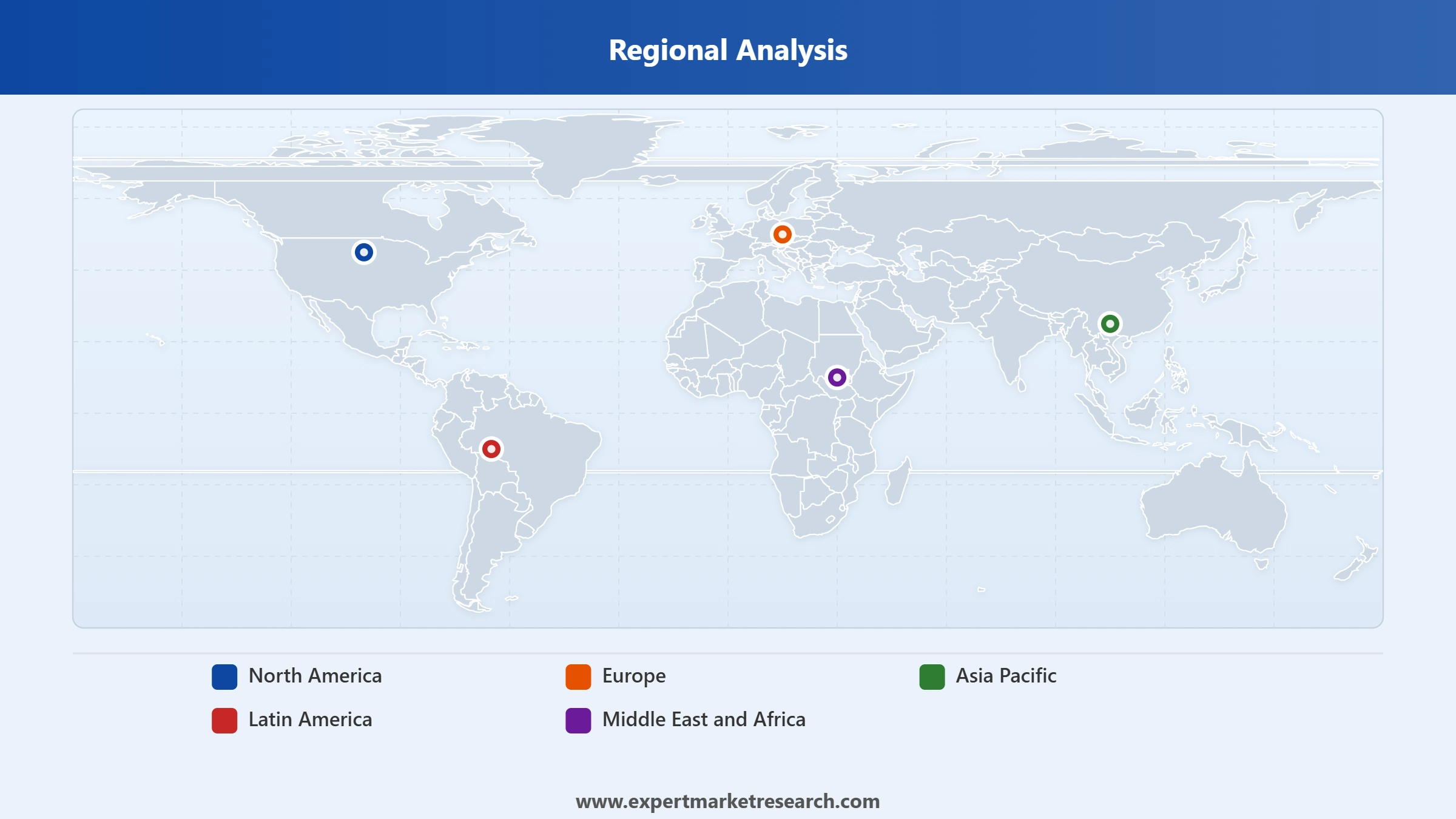
Based on region, the lentil market is segmented into:
Key Insight: Asia Pacific commands the largest demand share, driven by India, Bangladesh, Sri Lanka, and Pakistan, where lentils are a fundamental daily protein source. North America leads in production and export terms, with Canada generating the majority of global export volumes. The axis between North American supply and Asian demand defines the dominant trade dynamic in the global lentils market.
Read more about this report - REQUEST FREE SAMPLE COPY IN PDF
By Variety, red lentils account for the dominant production and demand share due to their widespread use in household cooking and food processing globally
Red lentils hold a commanding position across both production and consumption metrics. They process faster than any other variety, carry a neutral flavor suited to diverse cooking applications, and are produced at scale in Canada, Turkey, and the United States. The food industry's growing interest in lentil-derived protein concentrates is particularly focused on the red variety given its protein content and ease of processing.
Green lentils serve a distinct market tier. They hold their shape after cooking, making them preferred in restaurant kitchens, packaged ready meals, and premium retail across Europe and North America. Canada exports meaningful quantities of large green lentils to specialty food channels, and the premiumisation of plant-based diets in developed markets is steadily supporting the green variety's growth rate relative to the overall market.
Read more about this report - REQUEST FREE SAMPLE COPY IN PDF
By Mode of Transport, sea freight dominates demand logistics due to the long-haul trade routes connecting production surplus and consumption deficit regions globally
Global lentil trade is fundamentally a maritime business. Canada ships to India, Turkey, Bangladesh, and the UAE from Pacific ports. Australia reaches South and Southeast Asian markets from southern ports. Freight costs directly affect price competitiveness for both exporting nations in their key destination markets, making rate fluctuations a closely watched variable among traders and processors.
Land transport handles regional distribution in South Asia, Central Asia, and within the EU, where trucks move processed and unprocessed lentils from ports to retail and food service buyers. Air freight is minimal for this bulk commodity, largely limited to small specialty product shipments.
Read more about this report - REQUEST FREE SAMPLE COPY IN PDF
Asia Pacific dominates global lentil demand due to the region's large populations with deeply embedded lentil consumption habits across South Asian markets
Asia Pacific is the world's largest lentil-consuming region. India absorbs a dominant share of global supply, with Bangladesh, Sri Lanka, and Pakistan adding significant volumes. According to Western Producer reporting from January 2026, India's record 2025-26 harvest of 1.99 million tonnes combined with a probable duty increase is expected to moderate import volumes in the near term, redirecting Canadian export flows toward alternative markets.
North America leads in production terms, with Saskatchewan driving Canadian output. The Middle East is both a growing consumer and a major re-processor, with Turkey importing large red lentil volumes for onward distribution across South Asia and North Africa. Latin America maintains domestic production primarily for local consumption, and Europe contributes premium demand for specialty green lentil varieties.
Read more about this report - REQUEST FREE SAMPLE COPY IN PDF
The global lentils competitive landscape is shaped by large commodity traders, pulse processors, and integrated agricultural companies. Canada-based processors dominate the export side, while Indian conglomerates and regional processors are significant on the demand side. The market is moderately concentrated, with a small number of large participants controlling a substantial share of traded volume.
Founded in 2001 and headquartered in Regina, Saskatchewan, AGT Food and Ingredients is one of the world's largest pulse processors and exporters. Its operations span lentils, peas, chickpeas, and beans across Canada, Turkey, Australia, China, and India, giving it an integrated position across the major lentil production and consumption geographies.
Founded in 1902 and headquartered in Chicago, Illinois, ADM is one of the world's largest agricultural processors, with global procurement and distribution networks across grain, oilseed, and pulse commodities that make it a significant participant in bulk lentil trading and food ingredient supply chains.
Founded in 1999 and headquartered in Ahmedabad, India, Adani Wilmar is one of India's largest integrated food companies with a growing branded pulses and lentils segment. The company markets lentils under retail consumer brands across India, where household lentil consumption is a daily constant across virtually all demographic groups.
Founded in 2011 and headquartered in Winnipeg, Manitoba, BroadGrain Commodities is a Canadian pulse and grain trading company focused on sourcing, merchandising, and exporting lentils, peas, and chickpeas. It operates within the Canadian Prairies origination network and supplies customers across the Middle East, South Asia, and North Africa.
Other key players in the market are Simpson Seeds Inc., Eaternal Health and Organic Foods, and others.
*Please note that this is only a partial list; the complete list of key players is available in the full report. Additionally, the list of key players can be customized to better suit your needs.*
Navigating the global lentils market requires a clear view of trade policy shifts, crop outlooks, and demand signals that move prices each season. Our full report for 2026-2035 delivers the production data, trade analysis, and competitive intelligence to support confident decision-making. Reach out to our team to access the complete report or request a tailored version for your trading or procurement needs.


Upto 15% Off
USD
$2499 $2249
$3999 $3599
$4999 $4249
$5999 $5099


*While we strive to always give you current and accurate information, the numbers depicted on the website are indicative and may differ from the actual numbers in the main report. At Expert Market Research, we aim to bring you the latest insights and trends in the market. Using our analyses and forecasts, stakeholders can understand the market dynamics, navigate challenges, and capitalize on opportunities to make data-driven strategic decisions.*
The major drivers of the market include the increasing population, growing organised retail sector, improving living standards, and changing dietary patterns.
The rising awareness among individuals about the harmful effects of synthetic chemicals and increasing application as taste and aroma enhancers are the key industry trends propelling the market's growth.
The major regions in the industry are North America, Latin America, the Middle East and Africa, Europe, and the Asia Pacific.
The end-uses include retail store, flour industry, among others.
The major players in the industry are AGT Foods and Ingredients, BroadGrain Commodities Inc., Simpson Seeds Inc., Archer Daniels Midland Company, Eaternal Health & Organic Foods, Adani Wilmar Ltd, Others.
In 2025, the market reached an approximate volume of 13.94 MMT.
The lentil market is assessed to grow at a CAGR of 10.60% between 2026 and 2035.
The market is estimated to witness healthy growth in the forecast period of 2026-2035 to reach a volume of around 38.18 MMT by 2035.
Explore our key highlights of the report and gain a concise overview of key findings, trends, and actionable insights that will empower your strategic decisions.
| REPORT FEATURES | DETAILS |
| Base Year | 2025 |
| Historical Period | 2019-2025 |
| Forecast Period | 2026-2035 |
| Scope of the Report |
Historical and Forecast Trends, Industry Drivers and Constraints, Historical and Forecast Market Analysis by Segment:
|
| Breakup by Production (Variety) |
|
| Breakup by Demand (Mode of Transport) |
|
| Breakup by Region |
|
| Market Dynamics |
|
| Trade Data Analysis |
|
| Price Analysis |
|
| Competitive Landscape |
|
| Companies Covered |
|
Datasheet
One User
USD 2,499
USD 2,249
tax inclusive*
Single User License
One User
USD 3,999
USD 3,599
tax inclusive*
Five User License
Five User
USD 4,999
USD 4,249
tax inclusive*
Corporate License
Unlimited Users
USD 5,999
USD 5,099
tax inclusive*
*Please note that the prices mentioned below are starting prices for each bundle type. Kindly contact our team for further details.*
Flash Bundle
Small Business Bundle
Growth Bundle
Enterprise Bundle
*Please note that the prices mentioned below are starting prices for each bundle type. Kindly contact our team for further details.*
Flash Bundle
Number of Reports: 3
20%
tax inclusive*
Small Business Bundle
Number of Reports: 5
25%
tax inclusive*
Growth Bundle
Number of Reports: 8
30%
tax inclusive*
Enterprise Bundle
Number of Reports: 10
35%
tax inclusive*
How To Order

Select License Type
Choose the right license for your needs and access rights.

Click on ‘Buy Now’
Add the report to your cart with one click and proceed to register.

Select Mode of Payment
Choose a payment option for a secure checkout. You will be redirected accordingly.
Strategic Solutions for Informed Decision-Making
Gain insights to stay ahead and seize opportunities.

Get insights & trends for a competitive edge.

Track prices with detailed trend reports.

Analyse trade data for supply chain insights.

Leverage cost reports for smart savings

Enhance supply chain with partnerships.

Connect For More Information
Our expert team of analysts will offer full support and resolve any queries regarding the report, before and after the purchase.
Our expert team of analysts will offer full support and resolve any queries regarding the report, before and after the purchase.
We employ meticulous research methods, blending advanced analytics and expert insights to deliver accurate, actionable industry intelligence, staying ahead of competitors.
Our skilled analysts offer unparalleled competitive advantage with detailed insights on current and emerging markets, ensuring your strategic edge.
We offer an in-depth yet simplified presentation of industry insights and analysis to meet your specific requirements effectively.




