

Consumer Insights
Uncover trends and behaviors shaping consumer choices today
Procurement Insights
Optimize your sourcing strategy with key market data
Industry Stats
Stay ahead with the latest trends and market analysis.

The global tea market size USD 59.59 Billion in 2025. The industry is expected to grow at a CAGR of 6.20% during the forecast period of 2026-2035. By 2035, the market is expected to reach USD 108.75 Billion.
The convenience of ready-to-drink (RTD) beverages and cold brews is driving the growth of the tea market to meet modern consumer demands for quick, portable, and refreshing options. RTD teas are pre-brewed and bottled, making them ideal for busy lifestyles. Cold brews offer a smoother and less bitter flavour profile and are increasingly available in health-conscious formats. Popular among Millennials and Gen Z, these beverages are gaining traction in supermarkets, convenience stores, and vending machines. For instance, in March 2025, 7 Eleven launched Southland Reserve™, a collaborative cold brew tea line with AriZona in four flavours in the United States.
Digital commerce and subscription services are transforming the tea demand growth by offering consumers convenient, personalized access to a wide variety of teas. Through online platforms, brands can directly reach global customers, bypassing traditional retail limits and allowing for tailored experiences. Subscription models build customer loyalty by providing regular shipments of new or favourite blends, encouraging trial and repeat purchases. In July 2024, Fortnum & Mason launched its new tea subscription to deliver monthly loose-leaf blends with personalized mugs and accessories, enhancing luxury and convenience. These strategies increase market reach, improve customer retention, and drive sustained market growth.
Base Year
Historical Period
Forecast Period
China's tea production in 2022, as reported by the Tea Board, amounted to 3090.00 M.kg, reflecting substantial growth.
The Tea Board reported apparent global tea consumption at 6173 M.kgs in 2021, compared to 5949 M.kgs in 2020.
As per industryreports, Argentina exported 71.00 M.kg of tea in 2022, compared to 64.20 M.kg in 2021.
Compound Annual Growth Rate
6.2%
Value in USD Billion
2026-2035
*this image is indicative*
| Global Tea Market Report Summary | Description | Value |
| Base Year | USD Billion | 2025 |
| Historical Period | USD Billion | 2019-2025 |
| Forecast Period | USD Billion | 2026-2035 |
| Market Size 2025 | USD Billion | 59.59 |
| Market Size 2035 | USD Billion | 108.75 |
| CAGR 2019-2025 | Percentage | XX% |
| CAGR 2026-2035 | Percentage | 6.20% |
| CAGR 2026-2035 - Market by Region | Asia Pacific | 7.1% |
| CAGR 2026-2035 - Market by Country | India | 8.2% |
| CAGR 2026-2035 - Market by Country | China | 6.8% |
| CAGR 2026-2035 - Market by Application | Commercial | 6.6% |
| CAGR 2026-2035 - Market by Distribution Channel | Online | 9.2% |
| Market Share by Country 2025 | Germany | 4.6% |
Rising Intake of Conventional Tea
Conventional tea market value is growing, especially in price-sensitive and high-consumption regions, such as India, China, and parts of Africa. Several brands are offering affordable and accessible options. With large population and strong cultural tea-drinking traditions, demand remains consistently high. As per industry reports, the global tea consumption hit 6.212 million tonnes in 2023. Conventional tea can also be attributed to its accessibility, affordability, and widespread consumption habits. Established supply chains, low production costs, and mass-market brands further drive this segment's growth.
Surging Interest in Green & Oolong Tea
Green tea market revenue is increasing, prized for its health benefits and delicate flavour. This tea is especially popular in China, Japan, and increasingly in Western markets, driven by wellness trends. Major brands focus on premium and matcha green teas, appealing to health-conscious consumers. Green tea’s antioxidant properties and association with longevity contribute to steady growth. Innovations, such as ready-to-drink green tea and flavoured green teas further expand its appeal, making it a rapidly growing segment worldwide.
Oolong tea occupies a niche position in the tea market. Originating primarily from China and Taiwan, oolong is appreciated for its unique partially fermented flavour profile, bridging black and green teas. Specialty tea shops and premium brands are highlighting oolong’s complex taste and health benefits, targeting tea connoisseurs and enthusiasts. In July 2024, Nestle China expanded its product range with white mulberry leaf extract by launching a no-sugar Oolong tea to render improved health. The growing interest in artisanal and specialty teas is also driving segment growth.
Paper Boards & Tea Bags to Drive Tea Consumption
Paper boards are a popular choice for packaging in the tea industry, combining sustainability with decent protection to appeal to environmentally aware consumers given their recyclable and biodegradable benefits. Premium brands use paper board boxes to package their tea bags attractively, reinforcing brand identity while supporting eco-friendly trends. Paper board packaging also offers excellent shelf appeal and ease of printing, helping it retain a significant share in retail and gift markets.
Tea bags dominate the ready-to-brew segment, offering convenience and portion control for everyday consumers worldwide. Several brands have built their mass-market presence largely on tea bags. Innovations, such as pyramid-shaped bags and biodegradable materials are enhancing consumer appeal. In July 2024, Assam’s Esah Tea launched the world's first microplastic free cotton tea bags to offer a sustainable alternative to conventional tea bags. This packaging continues to lead in volume due to ease of use, affordability, and widespread availability across retail channels.
Huge Demand for Tea in Commercial Applications
The commercial segment of the tea market, including cafes, restaurants, offices, hotels, and vending services, is crucial for bulk sales and brand visibility. Specialty tea cafés offer unique blends and tea-based beverages, driving experiential consumption. Offices and hospitality spaces often buy in bulk for employee or guest service, driving innovations. In April 2025, British Airways partnered with Birchall to serve a specially selected range of teas to customers both in-flight and at lounges. This segment is further growing with premium and niche tea brands aiming to build a lifestyle association around their products.
Convenience & Specialty Stores to Bolster Tea Purchases
Convenience stores are gaining popularity in the tea market for serving on-the-go consumers looking for quick and accessible options. These stores are strategically located in neighbourhoods, gas stations, and transport hubs. Tea sold here is often in smaller packs or ready-to-drink formats. For instance, brands like Arizona or Lipton Iced Tea are commonly found in 7-Eleven or Circle K outlets. Convenience stores also serve impulse buyers or those with immediate needs, such as travellers and office workers. Despite smaller inventory, extended hours and proximity to residential and commercial zones makes the segment a vital sales channel.
Specialty stores cater to niche consumers who seek premium, organic, or exotic tea blends. These outlets focus on customer experience, offering in-depth knowledge, tastings, and personalized recommendations. Often located in urban centres or upscale areas, they stock high-end loose-leaf teas, wellness teas, and rare imports, such as matcha or oolong. In June 2025, Rishi Tea & Botanicals introduced three new blends, Garden Party, Tangerine Hibiscus, and Ritual Green to expand its premium specialty offerings. These outlets also help educate consumers and set trends within the industry.
The global tea market continues to expand as consumers increasingly seek healthy, natural beverages with wellness benefits. Tea, rich in antioxidants and essential nutrients, has gained popularity among health-conscious individuals. The market is also being driven by the rising demand for herbal, green, and specialty teas, as well as ready-to-drink (RTD) tea products. Innovations in flavors, blends, and packaging are attracting new consumers and encouraging repeat purchases, boosting overall market demand.
Additionally, the growth of online retail, supermarkets, and cafes has made tea more accessible to a broad audience. Rising disposable income, urban lifestyles, and an interest in premium and organic tea products are further propelling market expansion. Marketing campaigns emphasizing sustainability, natural ingredients, and health benefits are strengthening brand appeal, ensuring steady growth in the global tea market over the forecast period.
The rising consumer interest in eco-friendly tea, including biodegradable packing to fair-trade sourcing is fostering the tea market development. In June 2025, Aromica Tea introduced India’s first plastic free banana fibre Bhim Kol tea bags, which are biodegradable, compostable, eco-conscious alternative to conventional plastic pyramid bags. Fair-trade sourcing also ensures ethical labour practices and supports small tea farmers, enhancing brand trust and loyalty. This trend has led to innovations in sustainable farming, packaging, and transparent supply chains, contributing to long-term growth and differentiation in the global tea industry.
The popularity of sparkling tea is rising as a sophisticated, non-alcoholic alternative to offer a unique blend of elegance, flavour, and health benefits without the effects of alcohol. Sparkling tea combines lightly carbonated water with high-quality tea infusions, botanicals, and natural flavours. Brands are coming up innovations to cater to wellness-focused consumers and those seeking a refined drinking experience that aligns with healthier, alcohol-free lifestyles. In May 2025, Bebida Hospitality introduced Copenhagen Sparkling Tea in India for offering elegantly carbonated tea infused with premium flavours for upscale, non-alcoholic enjoyment.
Biodegradable, recyclable, flexible, and moisture-resistant packaging is favouring the tea industry revenue for meeting the consumer demand for sustainability and freshness. Eco-friendly materials reduce environmental impact, appealing to environmentally conscious buyers. Flexible packaging protects tea’s aroma and quality by preventing moisture and air exposure, extending shelf life. In April 2025, Saint James Iced Tea has introduced 100% recyclable, resealable aluminium bottles across its entire iced tea line. These launches enhance product appeal and allows companies to charge premium prices.
Tea producers are largely adopting precision agriculture, climate-resilient cultivars, and IoT-based irrigation to enhance productivity and sustainability. Precision agriculture uses data analytics and GPS technology to optimize planting, fertilizing, and harvesting, reducing waste and costs. In June 2024, NABARD launched an AI-driven climate-resilient tea cultivation project in Assam to support small tea growers. These innovations help tea growers adapt to environmental challenges while boosting quality and output in a sustainable manner.
Tea pods, concentrates, and single-serve shots are meeting consumer demand for convenience and consistency, further driving tea market opportunities. In October 2024, Mad Tea by Genecis Bioindustries launched the first 100% compostable, PHA-based tea pods compatible with Nespresso machines, offering eight vegan tea flavours. These formats also simplify brewing, enhance portability, and support premium pricing in home and office settings.
Read more about this report - REQUEST FREE SAMPLE
The EMR’s report titled “Tea Market Report and Forecast 2026-2035” offers a detailed analysis of the market based on the following segments:
Market Breakup by Source
Key Insight: The organic segment is rapidly growing in the tea industry due to increasing consumer awareness of health, sustainability, and chemical-free farming practices. This segment includes green, black, and herbal teas certified organic by regulatory bodies. Brands have capitalized on this trend, offering diverse organic blends globally. In January 2025, Rapid Organic introduced its new organic Cumin Tea for offering a healthy, natural beverage option for wellness-focused consumers. With premium pricing and strong retail and online presence, organic teas lead in value-driven market expansion.
Market Breakup by Type
Key Insight: Black tea is the most dominant segment in the global tea market, accounting for largest consumption and production. Known for its strong flavour and high caffeine content, black tea is especially popular in India, China, Russia, and the United Kingdom. Iconic brands lead the market with classic black tea blends. In November 2024, PG Tips launched a new range of blended black teas, including Earl Grey, Chai, Gold, and English Breakfast. Black tea also forms the foundation for many flavoured and ready-to-drink teas, maintaining its market dominance.
Market Breakup by Packaging Type
Key Insight: Plastic containers are widely used in the tea market owing to their affordability, durability, and convenience. This packaging is popular for loose tea and tea bags, providing airtight storage that preserves freshness. Several brands use plastic tubs for bulk tea products sold in supermarkets. In August 2023, Suntory PepsiCo Thailand launched its bottled Oolong TEA+ drinks using 100% recycled PET plastic containers. The segment further remains dominant in regions where cost-effectiveness and ease of transport are key priorities, especially in developing markets with high tea consumption.
Market Breakup by Application
Key Insight: The residential tea market is dominating, driven by daily household consumption, mainly in India, China, and the United Kingdom. As per the UK Tea & Infusions Association, 98% of Brits consumed tea every day in 2024. The popularity of black tea, green tea, and herbal blends for personal use has surged, particularly with growing health awareness. Supermarkets, online retailers, and direct-to-home brands cater heavily to this segment. Subscription models and premium loose-leaf options also appeal to tea enthusiasts. Overall, consistent demand and personalized preferences make this segment the market leader.
Market Breakup by Distribution Channel
Key Insight: Supermarkets and hypermarkets lead the tea market due to their vast reach, variety, and competitive pricing. Leading chains are stocking popular tea brands for offering economy and premium options. In June 2024, Waka Coffee & Tea launched its instant tea blend at Walmart locations in Texas following a successful pitch via Walmart’s “Open Call. The physical presence and established consumer trust make these stores the primary choice for tea purchases, especially in urban and suburban areas where bulk buying and routine grocery shopping are common practices.
Market Breakup by Region
Key Insight: The Asia Pacific region dominates the tea market due to its deep-rooted cultural, agricultural, and economic ties to tea. China, India, Japan, and Sri Lanka have emerged as top producers and leading consumers. According to the India Brand Equity Foundation (IBEF), India's tea production touched 1,382.03 million kgs in 2024, compared to 1,374.97 million kgs in FY23. India’s chai culture fuels huge domestic demand, while China leads in green, oolong, and specialty teas. The region also witnesses high exports, government support for tea plantations, and innovation in wellness teas.
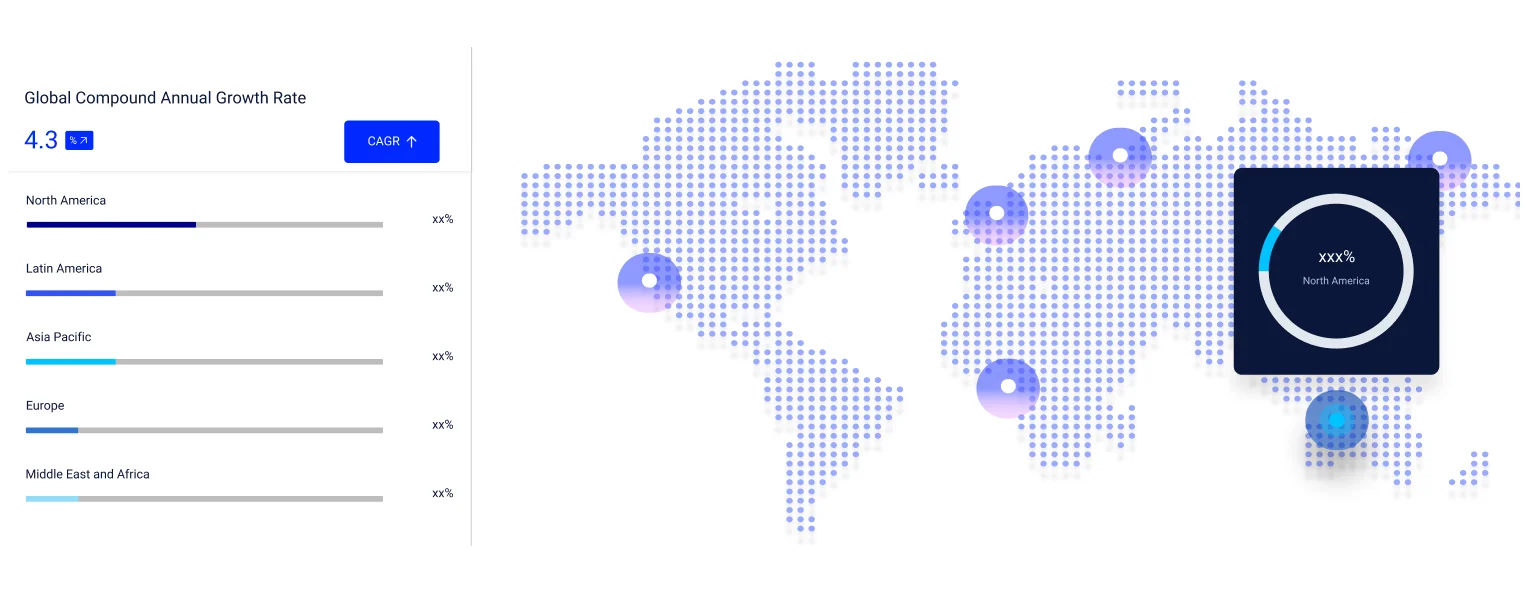
| CAGR 2026-2035 - Market by | Country |
| India | 8.2% |
| China | 6.8% |
| USA | 5.5% |
| France | 4.9% |
| Italy | 4.3% |
| Canada | XX% |
| UK | XX% |
| Germany | XX% |
| Japan | 4.3% |
| Australia | XX% |
| Saudi Arabia | XX% |
| Brazil | XX% |
| Mexico | XX% |
Europe & North America to Boost Tea Industry Expansion
Europe tea market growth is driven by steady demand for black, green, and herbal teas. The United Kingdom has one of the highest per capita tea consumptions. Continental Europe shows growing interest in organic, fruit, and wellness teas, reflecting a shift toward health-conscious choices. In September 2024, British tea marketeer Twinings launched a new line of ready-to-drink Sparkling Teas, combining tea, botanicals, and fruit juices with added vitamins and mineral. Europe's purchasing power and evolving tastes maintain its significant position in the global tea landscape.
North America shows strong growth potential in tea consumption, especially in specialty and ready-to-drink categories. The United States market is increasingly driven by health trends, with consumers opting for green, herbal, and functional teas. Brands, such as Celestial Seasonings, Honest Tea, and Bigelow dominate grocery shelves, while matcha and bubble tea trends are growing among younger demographics. Canned cold brews and kombucha have expanded shelf space in retailers including Walmart and Whole Foods. North America's evolving tea culture and premium demand further make it an emerging force.
Key players in the tea market are employing several key strategies to stay competitive and expand their presence. One major approach is product diversification for offering a variety of teas and specialty blends to meet diverse consumer tastes. Emphasizing high-quality sourcing and organic certifications helps brands stand out and command premium prices. Strong brand positioning via storytelling about heritage, health benefits, or sustainability fosters customer loyalty. Companies also focus on geographic expansion, targeting emerging markets, where tea consumption is growing.
Innovative packaging that is both attractive and eco-friendly enhances the consumer experience while supporting sustainability efforts. Additionally, leveraging digital marketing and e-commerce allows brands to connect with younger, tech-savvy consumers through social media and online sales platforms. Finally, strategic partnerships with cafes, retailers, and health brands help widen distribution channels and reinforce market presence. These combined strategies enable tea companies to adapt to changing consumer preferences and maintain steady growth in a competitive market.
Founded in 1988 and headquartered in Sri Lanka, Dilmah is known for pioneering single-origin Ceylon tea and was among the first to offer tea picked, packed, and shipped directly from origin. Dilmah emphasizes ethical practices, sustainability, and innovation in flavoured teas and wellness-focused blends.
Established in 1901 and headquartered in Cork, Ireland, Barry’s Tea is a leading Irish tea brand known for its rich blends. With a strong presence in Ireland and among Irish communities abroad, the company is celebrated for its consistent quality and traditional flavour profiles.
Formed in 2020 and headquartered in Mumbai, India, Tata Consumer Products is a key player in the global tea industry. Known for brands like Tata Tea and Tetley, the company is driving innovation via sustainable sourcing, ready-to-drink teas, and a strong digital retail presence.
Founded in 1993 and headquartered in New York, the United States, Hain Celestial is recognized for natural and organic products, including Celestial Seasonings teas. The company emphasizes wellness and sustainability, introducing functional teas with health benefits and herbal infusions as part of its innovation strategy.
Other players in the tea market are Unilever Plc, Associated British Foods Plc, ITO EN, LTD., Taiwan Tea Corporation, SAC Leão, and Tenfu's TEA, among others.
*Please note that this is only a partial list; the complete list of key players is available in the full report. Additionally, the list of key players can be customized to better suit your needs.*
Unlock valuable insights with our latest Tea Market Report 2026. Discover emerging tea market trends, growth forecasts, and strategic recommendations to stay ahead in this evolving industry. Download your free sample report today and make data-driven decisions with confidence. Explore what's shaping the future of the global tea market now!
Australia Earl Grey Tea Market
Indian Premium Tea Market
Elderflower Tea Market
Kombucha Tea Market
Earl Grey Tea Market
Alcoholic Tea Market
Matcha Tea Market
Bubble Tea Market
Green Tea Market
India Tea Market


Upto 15% Off
USD
$2999 $2699
$4839 $4355
$5999 $5099
$7259 $6170


*While we strive to always give you current and accurate information, the numbers depicted on the website are indicative and may differ from the actual numbers in the main report. At Expert Market Research, we aim to bring you the latest insights and trends in the market. Using our analyses and forecasts, stakeholders can understand the market dynamics, navigate challenges, and capitalize on opportunities to make data-driven strategic decisions.*
Get in touch with us for a customized solution tailored to your unique requirements and save upto 35%!
In 2025, the market reached an approximate value of USD 59.59 Billion.
The market is projected to grow at a CAGR of 6.20% between 2026 and 2035.
The revenue generated from the market is expected to reach USD 108.75 Billion in 2035.
Key strategies driving the market include product innovation with health-focused blends, expanding ready-to-drink and premium offerings, digital marketing and e-commerce growth, sustainability initiatives like eco-friendly packaging, and targeting younger consumers through trendy flavours and experiential retail. Collaborations and global distribution also boost market reach.
The key trend guiding the growth of the tea market include the availability of tea in different flavours, which satisfies every consumer’s taste.
The market is broken down into North America, Europe, Asia Pacific, Latin America, and Middle East and Africa.
The market is categorised according to the type, which includes black, green, oolong, white, and others.
Plastic containers, loose tea, paper boards, aluminium tins, and tea bags, among others, are the significant packaging types for the product in the market.
Based on the distribution channel, the market is divided into supermarkets and hypermarkets, convenience stores, speciality stores, online, and others.
Based on the application, the market is divided into commercial and residential.
The key players in the market report include Dilmah Ceylon Tea Company PLC., Barry’s Tea, Tata Consumer Products Limited, The Hain Celestial Group, Inc, Unilever Plc, Associated British Foods Plc, ITO EN, LTD., Taiwan Tea Corporation, SAC Leão, and Tenfu's TEA, among others.
The market is categorised according to the source, which includes organic and conventional.
The Asia Pacific region dominates the market due to its deep-rooted cultural, agricultural, and economic ties to tea.
Explore our key highlights of the report and gain a concise overview of key findings, trends, and actionable insights that will empower your strategic decisions.
| REPORT FEATURES | DETAILS |
| Base Year | 2025 |
| Historical Period | 2019-2025 |
| Forecast Period | 2026-2035 |
| Scope of the Report |
Historical and Forecast Trends, Industry Drivers and Constraints, Historical and Forecast Market Analysis by Segment:
|
| Breakup by Source |
|
| Breakup by Type |
|
| Breakup by Packaging |
|
| Breakup by Application |
|
| Breakup by Distribution Channel |
|
| Breakup by Region |
|
| Market Dynamics |
|
| Competitive Landscape |
|
| Companies Covered |
|
| Report Price and Purchase Option | Explore our purchase options that are best suited to your resources and industry needs. |
| Delivery Format | Delivered as an attached PDF and Excel through email, with an option of receiving an editable PPT, according to the purchase option. |
Datasheet
One User
USD 2,999
USD 2,699
tax inclusive*
Single User License
One User
USD 4,839
USD 4,355
tax inclusive*
Five User License
Five User
USD 5,999
USD 5,099
tax inclusive*
Corporate License
Unlimited Users
USD 7,259
USD 6,170
tax inclusive*
*Please note that the prices mentioned below are starting prices for each bundle type. Kindly contact our team for further details.*
Flash Bundle
Small Business Bundle
Growth Bundle
Enterprise Bundle
*Please note that the prices mentioned below are starting prices for each bundle type. Kindly contact our team for further details.*
Flash Bundle
Number of Reports: 3
20%
tax inclusive*
Small Business Bundle
Number of Reports: 5
25%
tax inclusive*
Growth Bundle
Number of Reports: 8
30%
tax inclusive*
Enterprise Bundle
Number of Reports: 10
35%
tax inclusive*
How To Order

Select License Type
Choose the right license for your needs and access rights.

Click on ‘Buy Now’
Add the report to your cart with one click and proceed to register.

Select Mode of Payment
Choose a payment option for a secure checkout. You will be redirected accordingly.
Gain insights to stay ahead and seize opportunities.

Get insights & trends for a competitive edge.

Track prices with detailed trend reports.

Analyse trade data for supply chain insights.

Leverage cost reports for smart savings

Enhance supply chain with partnerships.

Connect For More Information
Our expert team of analysts will offer full support and resolve any queries regarding the report, before and after the purchase.
Our expert team of analysts will offer full support and resolve any queries regarding the report, before and after the purchase.
We employ meticulous research methods, blending advanced analytics and expert insights to deliver accurate, actionable industry intelligence, staying ahead of competitors.
Our skilled analysts offer unparalleled competitive advantage with detailed insights on current and emerging markets, ensuring your strategic edge.
We offer an in-depth yet simplified presentation of industry insights and analysis to meet your specific requirements effectively.





Share