

Consumer Insights
Uncover trends and behaviors shaping consumer choices today
Procurement Insights
Optimize your sourcing strategy with key market data
Industry Stats
Stay ahead with the latest trends and market analysis.
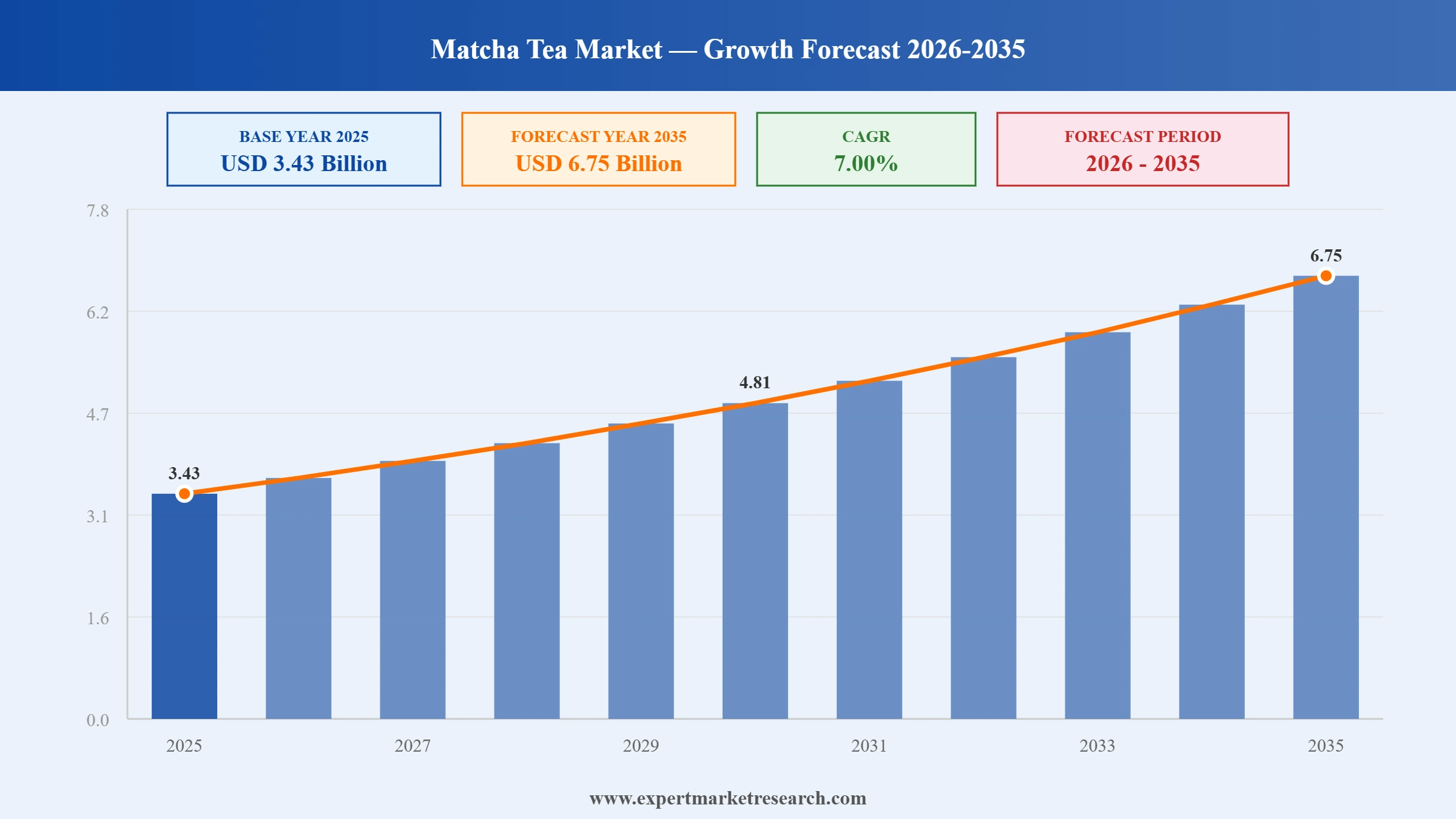
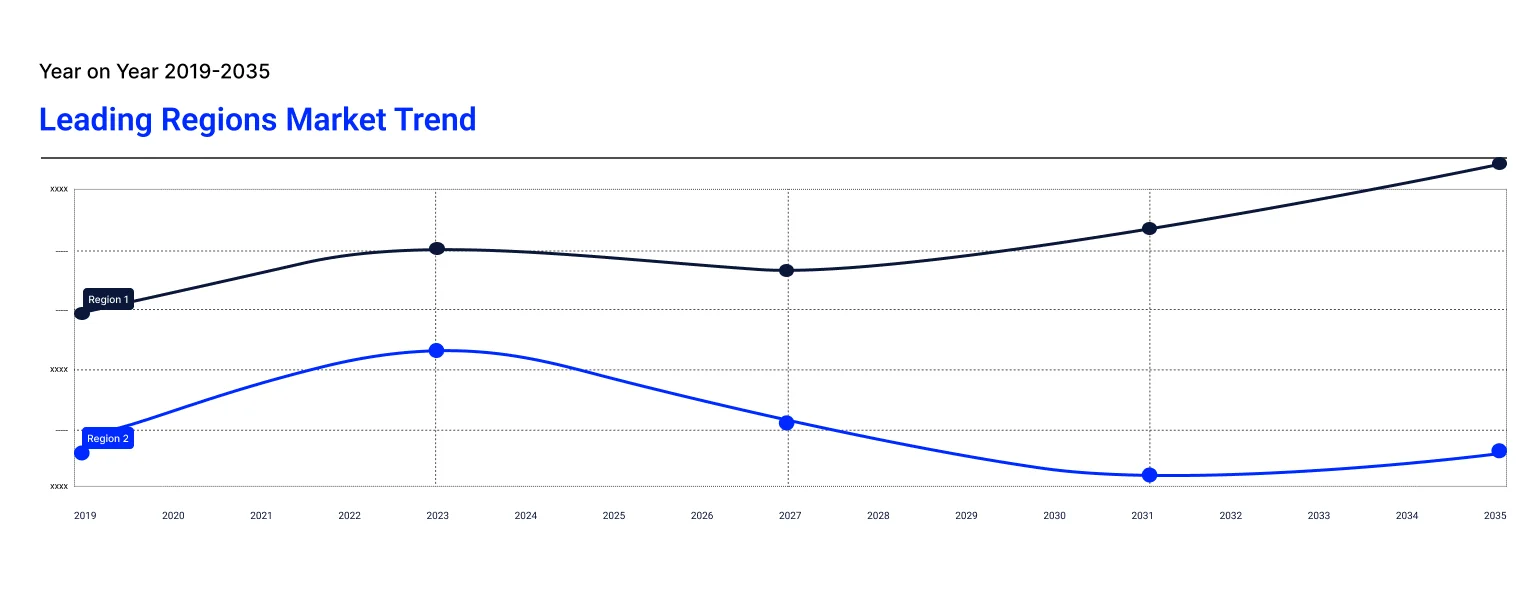
The global matcha tea market attained a value of USD 3.43 Billion in 2025 and is projected to expand at a CAGR of 7.00% through 2035. The market is further expected to achieve USD 6.75 Billion by 2035. Increase in the consumption of functional beverages and beverages with antioxidant content is driving the growth in matcha usage in foodservice, nutraceutical, and packaged beverages.
There are two particular areas where there is an opportunity for growth in the matcha tea market. Leading brands of beverages are offering matcha-based beverages in order to appeal to the younger generation who prefer healthier beverages. Secondly, the food manufacturing industry is using matcha in its snacks, baked goods, ice creams, and dairy substitutes in order to add a new angle to their product offerings. This application of matcha is providing new business opportunities outside the tea industry.
There is a strategic shift taking place within the global matcha tea market with premium tea providers and beverages producers working towards traceable sourcing, enhanced cultivation, and a functional approach towards wellness benefits of the product. For example, ITO EN offers a more sustainable approach towards the cultivation of high-grade tencha tea leaves used in the preparation of ceremonial and food grade matcha. This decision was driven by the increasing international interest in Japanese matcha tea. According to trade statistics released by the Ministry of Finance in Japan, green tea exports in 2025 reached 13,125 tons, a 42% increase from 9,272 tons in the previous year.
The matcha tea market is not driven anymore by the dynamics of tea consumption but by product innovations instead. Leading market participants are developing various matcha-based beverages and ingredients for functional purposes, from protein blends and nutraceuticals to ready-to-drink formulations and energy drinks that offer a healthy alternative to synthetic products. For example, in June 2026, Ethical Naturals launched MachaWave, combining organic matcha and AlphaWave L-Theanine for balanced energy, cognitive support, and stress management in functional beverages. At the same time, ingredient suppliers are investing in more efficient grinding technologies in order to ensure the preservation of the content of catechins and chlorophyll within the product.
Read more about this report - REQUEST FREE SAMPLE COPY IN PDF
CHAGEE rolled out its initial products in matcha drinks, along with citrus TeaFreshers. Such advancements in the market provide opportunities for companies to introduce their premium matcha beverages.
The Chuh Matcha product line was expanded by launching two flavors along with expansion into more than 200 retail outlets. Such an expansion trend in the matcha tea market motivates companies to develop innovative flavors and distribute across a wider retail network.
The HTeaO Company introduced the first matcha drinks lineup, which adds value to menu innovation and consumer engagement. This type of product introduction serves as an example of how a brand can produce unique matcha beverages through customization.
Barista enhanced its beverage lineup through offering beverages based on matcha, in response to the growing demand for functional drinks among customers. This portfolio expansion allows businesses in the matcha tea market to benefit from health-related beverage trends.
Increased consumer preference for functional beverages is expected to create growth opportunities in the matcha tea market. Various beverage manufacturing companies are making efforts to use matcha in bottles of tea, energy drinks, carbonated drinks, and health-related beverages to attract consumers looking for natural sources of caffeine. The focus on clean label formulation and antioxidant-rich ingredients is becoming essential for product differentiation. For example, Starbucks is consistently adding various matcha beverages in its product range in several international markets. On the other hand, the leading Japanese beverage company, ITO EN, is exporting matcha beverages globally. In May 2026, Pop & Bottle introduced matcha-infused coconut water beverages, combining natural electrolytes, clean energy, and functional hydration benefits.
Product traceability is becoming an important aspect of competition among matcha tea market players. Manufacturers are taking initiatives to incorporate traceability platforms, sustainable farming methods, and farmer collaboration to maintain authenticity and consistency in the product. Buyers in North America and Europe are expecting detailed sourcing information before making any purchase decisions. Tea suppliers in Kyoto and Shizuoka regions of Japan are using modern cultivation and production techniques to maintain quality and meet export demands. Agricultural assistance programs of the government in Japan continue supporting modernization of tea farming. In May 2026, Good & Proper Tea unveiled a Kyoto-crafted House Matcha, offering traceable sourcing, premium quality, and latte-focused functionality.
Matcha is increasingly being used beyond tea drinking, becoming an important component for functional foods and supplements due to its catechin and natural energy profile. Health and wellness trends worldwide are driving food and nutraceutical firms to produce new products with recognized botanicals, accelerating the matcha tea market expansion. Companies like Nestle along with many specialty nutrition brands are diversifying their product range with green tea/matcha extracts. In June 2026, OSULLOC introduced Matcha Plus beverages, combining premium matcha with functional ingredients to support wellness-focused consumption.
Food companies are making increasing use of matcha to create innovative products in the bakery, confectionery, dairy and desserts categories. Matcha lends itself not only in creating visual appeal but also to add premium positioning to create innovative products targeting younger consumers. Food service and packed food firms are coming out with innovative matcha flavor cakes, chocolates, yogurts, ice cream and other snacks. Matcha desserts are gaining wide acceptance in Japan and South Korea. Aligning with this trend in the matcha tea market, in February 2026, Breads Bakery introduced a matcha-focused menu featuring beverages and baked goods, expanding premium matcha consumption occasions.
The use of innovative processing technology is being employed by manufacturers to enhance quality preservation and consistency in matcha production. Innovations in stone grinding technology, storage under controlled conditions, and precision drying processes are aiding in the preservation of chlorophylls, amino acids, and antioxidants which provide premium product features. This technology development is especially vital considering the increasing requirements for standardized specifications from international consumers in their use of foods, beverages, and nutraceuticals. Japanese tea manufacturers are working with research centers and agricultural agencies to improve their cultivation and processing techniques, widening the matcha tea market scope. Demonstrating this shift, in October 2023, Cuzen Matcha unveiled a matte black Matcha Maker, enhancing premium preparation experiences with modern aesthetics.
The Expert Market Research’s report titled “Global Matcha Tea Market Report and Forecast 2026-2035” offers a detailed analysis of the market based on the following segments:
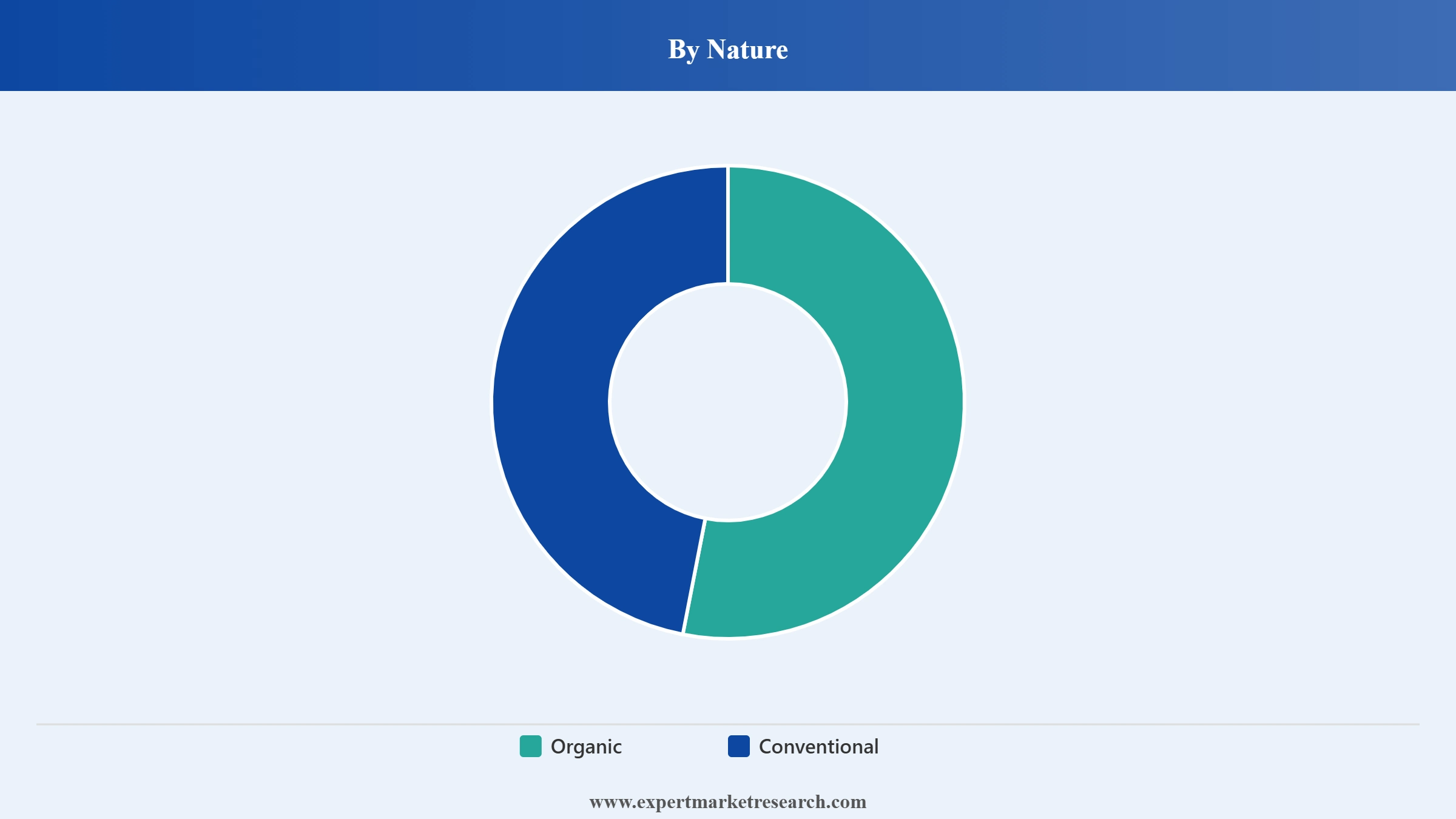
Market Breakup by Nature
Key Insight: Nature segmentation as considered in the matcha tea market report entails the existence of two different procurement methods within the matcha supply chain. Regular matcha is still the most prominent form of matcha, owing to its capacity to cater to mass production demands, constant availability, and efficiency in sourcing. It caters to beverage manufacturers, food processing companies, and foodservice companies that require mass-scalable ingredient options. Organic matcha is growing at a fast rate owing to the rising demand for certification of ingredients from premium brands based on their sustainability and clean label position in the market. In May 2026, TAZO introduced new tea innovations, including matcha-inspired offerings, targeting evolving consumer preferences for functional beverages.
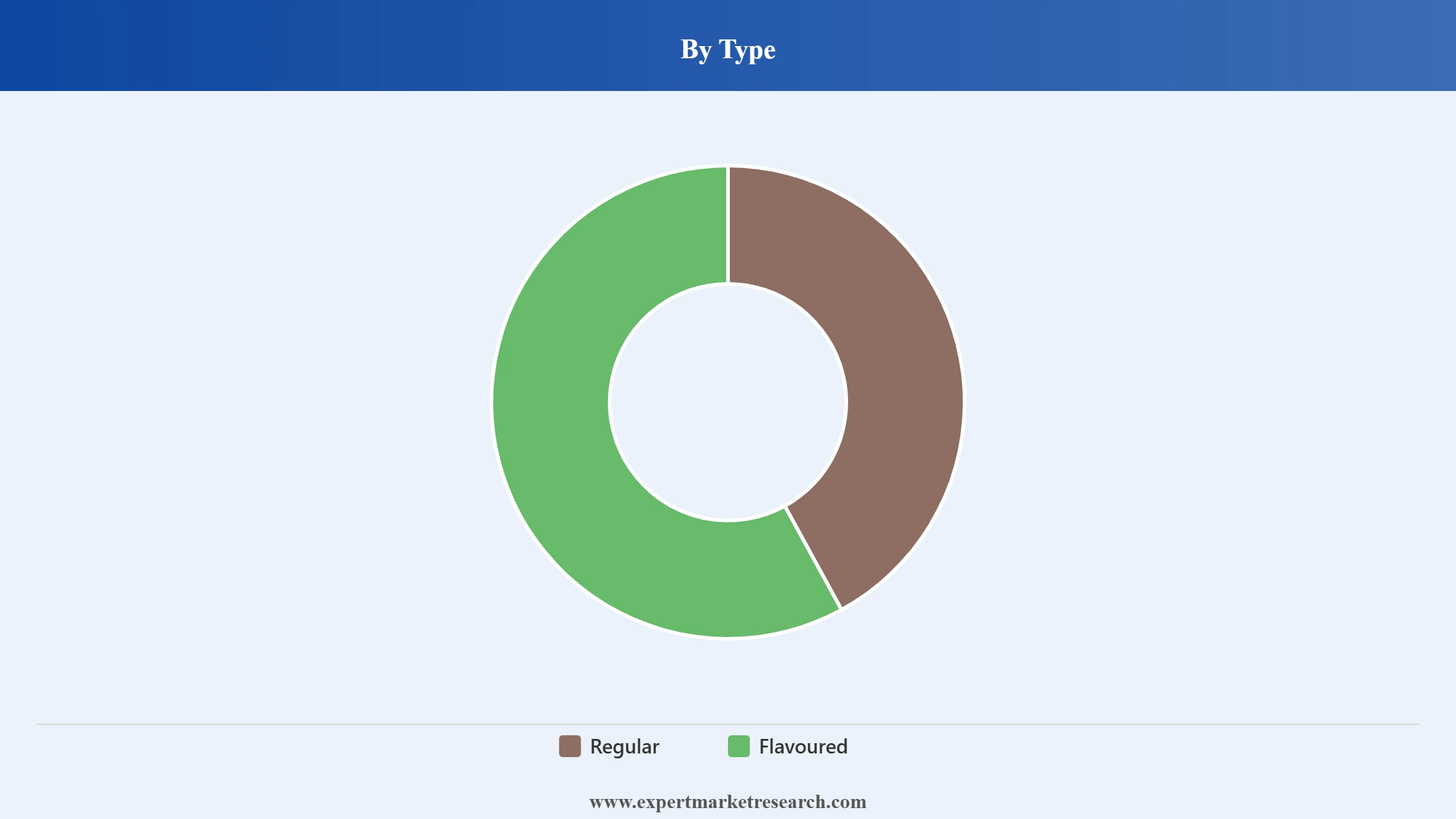
Market Breakup by Type
Key Insight: As per the matcha tea market report, traditional matcha captures a substantial share of the market since it offers genuine flavor attributes as well as a wide variety of uses in industrial applications. Flavored matcha is growing steadily with the advent of innovative formulations created to cater to a wider array of consumers. The increasingly pivotal role played by specialty cafes that offer premium drinks and experiential foods is fueling the growth of the flavored category. Both types play a part in market growth through traditional customers and innovative products.
Market Breakup by Form
Key Insight: Matcha powder continues to dominate the matcha tea market due to its versatility, prolonged shelf-life, and capability to cater to multiple industrial applications. Companies use the powder form to customize their products and formulate them according to specific standards. Liquid matcha is becoming more popular due to increased demand for convenience in retail and foodservice segments. This form allows companies to improve efficiency in operations and accelerate the process of launching new beverages. In March 2026, MONIN introduced matcha beverage solutions, helping operators create consistent, convenient, and premium matcha drinks.
Market Breakup by Distribution Channel
Key Insight: The current matcha tea market dynamics illustrate the significance of both scalability and specialization. Hypermarkets and supermarkets continue being leaders owing to high consumer traffic, wide coverage, and effective opportunities for product positioning. Specialty stores keep drawing premium customers who value their expertise and quality products. Foodservice channels meet the demands through cafes, restaurants, and beverages chains that use matcha on their menus. Online stores grow quickly owing to the possibility of establishing direct interaction with the brand and increasing product accessibility. In March 2023, Kataoka introduced Matcha DirectA, a direct-to-order platform streamlining premium matcha procurement and delivery.
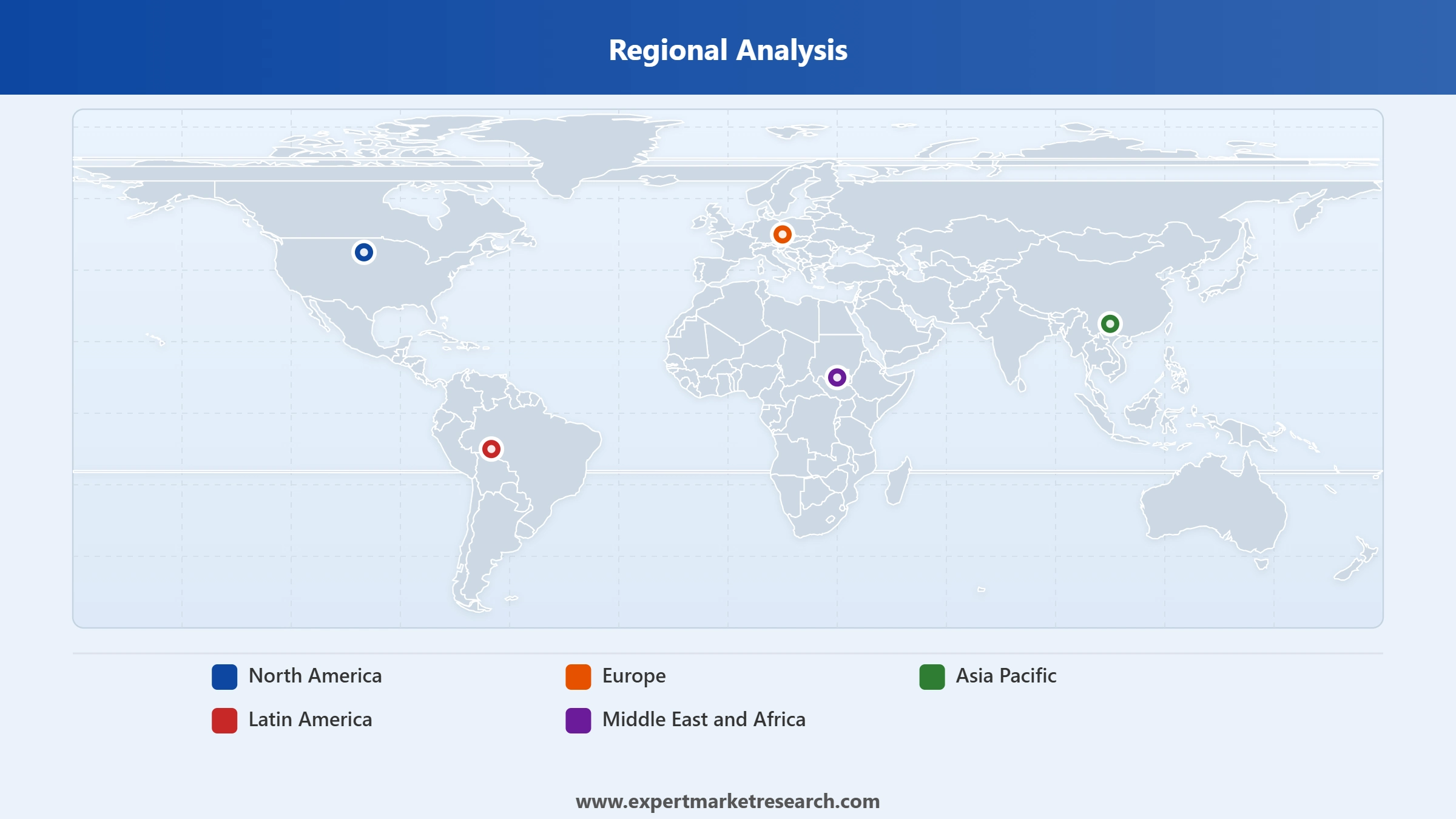
Market Breakup by Region
Key Insight: Regional performance depends on production capacity, consumer tastes, and trends in innovation of new products. Asia Pacific remains ahead in the global matcha tea market due to its well-developed cultivation practices, supply chain networks, and tradition of tea consumption. North America is growing rapidly owing to the growing preference of consumers who are health conscious. Europe is gaining benefits due to the growing popularity of clean-label and functional ingredients, whereas Latin America exhibits considerable growth potential due to the development of specialty beverages. Middle East and Africa are benefiting from the gradual acceptance owing to premium foodservice concepts and health awareness.
Read more about this report - REQUEST FREE SAMPLE COPY IN PDF
By nature, conventional matcha captures the largest share of the market due to wider availability and competitive pricing
Regular matcha commands the largest share of the matcha tea market owing to its production scalability and lower procurement costs in comparison with specialty matcha. Regular matcha is preferred by prominent brands and companies dealing with food and beverage, foodservice industries as an option for ready to drink beverages, bakery, dairy formulas, and confectionery manufacture. This market segment enjoys already existing cultivation facilities in Japan, China, and other producing countries that ensure constant supply volumes. Accessibility of regular matcha allows manufacturers to launch new matcha-infused products in the market at affordable prices. For example, in May 2026, Tim Hortons India launched Matcha Coolers, blending refreshing flavors with premium matcha for summer.
Read more about this report - REQUEST FREE SAMPLE COPY IN PDF
Certified organic matcha is anticipated to record the highest CAGR over the forecast period owing to consumer demand for sustainable agricultural practices and organic ingredients. Premium tea brands are working on obtaining organic certifications as part of their strategy to build up their brand equity and enter into high-margin segments, creating new matcha tea market opportunities. Organic matcha is becoming more popular among nutraceuticals, functional beverages, and retail sectors where clean label ingredients play an important role in purchasing decisions.
By type, regular matcha dominates the market owing to extensive usage across beverages and foods
Regular matcha represents the dominant category in the matcha tea market since it is the main base used in making tea, foodservice, bakery, confectionery, and dairy products. Regular matcha is preferred for its versatility, authentic taste, and its ability to be incorporated into various formulation. This segment has the advantage of having established customer awareness and high demand from cafés and beverages chains. The quality of ingredients continues to be improved by suppliers to cater for the needs of international food companies. Its widespread application in various industries guarantees purchase volume and commercial viability.
Read more about this report - REQUEST FREE SAMPLE COPY IN PDF
The flavored matcha is experiencing fast growth in the matcha tea market as manufacturers try to get younger consumers and increase the number of consumption instances. Flavors such as vanilla, berry, citrus, chocolate and tropical are increasingly being used in drinks, desserts and wellness products. Flavored matcha is increasingly being utilized by foodservice firms to develop their menus and engage their customers better. This segment enables firms to charge premium prices while at the same time reaching out to a wider range of customers than tea enthusiasts. For example, in March 2025, Dutch Bros introduced matcha beverages and flavor fusion drinks, expanding innovative menu options for consumers.
Powder form leads the market through versatile industrial applications
The popularity of powdered matcha stems from its high versatility among manufacturers, allowing easy use in beverages, bakery items, dairy-free alternatives, and nutraceutical applications. This type of matcha allows more precise dosing, better preservation, and easy inclusion in manufacturing operations, boosting the overall matcha tea market revenue. Foodservice businesses also prefer powdered matcha due to its convenient properties and capacity to create customized beverages. Manufacturers develop new grinding techniques to achieve better texture and preserve the nutritional profile of the product. For example, in July 2025, Miko introduced premium-grade matcha powder, catering to growing demand for high-quality wellness-focused tea products.
Liquid matcha appears to be the fastest-growing type of matcha, driven by the growing preference for convenient products. Manufacturers are increasingly using liquid concentrates of matcha in RTD beverages, sports drinks, and wellness beverages. It provides simplicity and consistency in terms of color and taste. The foodservice businesses are also starting to adopt liquid concentrates to ensure higher efficiency of the preparation process. With increasing preferences for convenience impacting the purchase decisions of consumers, manufacturers are developing shelf-stable liquid formulations.
By distribution channel, hypermarkets and supermarkets lead the market growth through extensive consumer accessibility networks
Hypermarkets and supermarkets are currently responsible for most of the matcha distribution due to their product range, large consumer base, and capacity for product visibility. Major retailers continue to make efforts by setting aside designated shelf space for wellness drinks and specialized teas. This distribution channel provides an opportunity for distributors to sell their products on a large scale, contributing to the matcha tea market value. Partnerships between suppliers and retail chains give the chance for suppliers to offer both premium and value product ranges at once.
The online store channel is currently witnessing rapid growth because of increased demand for premium and specialized matcha that cannot be obtained through traditional retail channels. This distribution channel allows companies to present information about their product range, certifications, and sources to consumers. It also helps to create subscription-based and direct-to-consumer marketing approaches for customer retention. It also gives new brands an opportunity to enter the matcha tea market in an affordable way. In February 2026, Jack in the Box introduced matcha beverages nationwide, expanding functional drink offerings and menu innovation.
Asia Pacific dominates the market through established production and consumption ecosystems
Asia Pacific stands out as the leading regional matcha tea market due to its rich culture of tea consumption, high level of production facilities, and high domestic consumption rates. Japan continues to be the leader in premium matcha production in the world, whereas other neighboring countries offer considerable contribution to matcha cultivation and processing operations. This region boasts well-developed supply chains, experience in technology, and good export capabilities. Increasing innovation in the sectors of food and beverages and wellness further fuels the development of the market. Good relations between growers, processors, and exporters reinforce the dominant position of Asia Pacific in the global market. In May 2025, Zenkyu Matcha launched globally, offering ceremonial-grade Kyoto matcha focused on mindfulness, wellness, and authenticity.
Read more about this report - REQUEST FREE SAMPLE COPY IN PDF
North America is emerging to be the fastest growing regional market because of the increased consumer interest in functional beverages and natural ingredients. Companies engaged in beverage production, coffee shops, and food manufacturers are increasing the range of matcha-based products to take advantage of the healthy consumption trend in the matcha tea market. Strategies related to premiumization and increased knowledge about Japanese tea culture encourage the growth of the market. Retailers increase their share of shelves to accommodate specialty teas and wellness products. In June 2026, Poppets Coffee launched Pineapple Upside-Down Cake Matcha and teased an upcoming chilled beverage release.
The global market is becoming highly competitive with the main emphasis on the sourcing of high-end tea, traceability, sustainability of cultivation, and product diversification. The major matcha tea market players are now concentrating on their partnerships directly with tea growers to procure tencha leaves and ensure consistent supply as the demand is increasing globally. Innovation is not limited to tea alone, as matcha concentrate, ready to drink products, nutraceuticals and customized blends for food manufacturers are currently becoming a trend. Technology innovation for preserving chlorophyll, amino acids and antioxidants levels is another important focus area.
E-commerce sites and direct-to-consumer strategies are being used by matcha tea companies to increase their brand visibility. There are many opportunities in functional beverages, clean label foods, sports nutrition, and high-end café products. Companies that can showcase their authentic sourcing, sustainability, and innovative ingredient solutions are highly favored by international buyers and food service companies.
Founded in 1914, and located in California, United States, The AOI Tea Company is among the most well-known matcha experts around the world. The company specializes in premium ceremonial and industrial matcha while providing food and beverage companies with tailor-made ingredient solutions. Their technological advancements in grinding and quality assurance systems help provide consistent matcha for their international clients in the retail, food service, and manufacturing industries.
Founded in 2014 and located in California, United States, Encha Life LLC is focused on meeting the rising need for organic and farm-direct matcha. The unique nature of their product comes from single-origin sourcing and traceable supply chains. They are mostly targeting health-conscious customers as well as premium retail channels. The certified organic production process of the brand helps meet the demand from wellness and nutritional categories.
Green Foods Corp was founded in 1979 and is based in Ontario, Canada. It offers green tea and matcha-based products in both local and foreign markets. The company concentrates on innovations within ingredients and value-adding applications for beverages, bakeries, and nutraceuticals. Owing to its relationships with farmers and advanced processing technology, Green Foods Corp provides high-quality matcha in the needed quantity.
Founded in 2015 and located in California, United States, Ikeda Tea World is specialized in premium Japanese tea products with a particular stress on matcha exports. The company offers customized solutions for foodservice operators, specialty retailers, and ingredient suppliers. The company concentrates on quality conservation and sustainable sourcing to boost its presence in the matcha tea market.
Other key players in the market include Ito En, Ltd., and Marukyu Koyamaen Co., Ltd., among others.
*Please note that this is only a partial list; the complete list of key players is available in the full report. Additionally, the list of key players can be customized to better suit your needs.*
Unlock the latest insights with our matcha tea market trends 2026 report. Discover regional growth patterns, consumer preferences, and key industry players. Stay ahead of competition with trusted data and expert analysis. Download your free sample report today and drive informed decisions in the market.
India Tea Market
Elderflower Tea Market
Kombucha Tea Market
Earl Grey Tea Market
Bubble Tea Market
Green Tea Market


Upto 15% Off
USD
$2499 $2249
$3999 $3599
$4999 $4249
$5999 $5099


*While we strive to always give you current and accurate information, the numbers depicted on the website are indicative and may differ from the actual numbers in the main report. At Expert Market Research, we aim to bring you the latest insights and trends in the market. Using our analyses and forecasts, stakeholders can understand the market dynamics, navigate challenges, and capitalize on opportunities to make data-driven strategic decisions.*
In 2025, the global matcha tea market attained a value of nearly USD 3.43 Billion.
The market is projected to grow at a CAGR of 7.00% between 2026 and 2035.
The market is estimated to witness healthy growth in the forecast period of 2026-2035 to reach USD 6.75 Billion by 2035.
The major market drivers include the increasing awareness regarding the health benefits of matcha tea, the growing demand for organic products, and surging innovations by key players supporting the availability of different types of matcha tea.
The growing availability of different types of matcha tea, rising health consciousness, the increasing popularity of unsweetened matcha tea, and the surging consumption of healthy beverages are the key trends augmenting the market demand.
The major regions in the market are North America, Latin America, the Middle East and Africa, Europe, and the Asia Pacific.
Organic and conventional are the major segments based on the nature of the product considered in the market report.
The significant types available in the market include regular and flavoured matcha tea.
The major forms of matcha tea include powder and liquid.
The major distribution channels of the product are hypermarkets and supermarkets, speciality stores, food service, and online stores, among others.
The major players in the market are The AOI Tea Company, Encha Life LLC, Green Foods Corp, Ikeda Tea World, Ito En, Ltd, and Marukyu koyamaen Co., Ltd, among others.
Explore our key highlights of the report and gain a concise overview of key findings, trends, and actionable insights that will empower your strategic decisions.
| REPORT FEATURES | DETAILS |
| Base Year | 2025 |
| Historical Period | 2019-2025 |
| Forecast Period | 2026-2035 |
| Scope of the Report |
Historical and Forecast Trends, Industry Drivers and Constraints, Historical and Forecast Market Analysis by Segment:
|
| Breakup by Nature |
|
| Breakup by Type |
|
| Breakup by Form |
|
| Breakup by Distribution Channel |
|
| Breakup by Region |
|
| Market Dynamics |
|
| Competitive Landscape |
|
| Companies Covered |
|
| Report Price and Purchase Option | Explore our purchase options that are best suited to your resources and industry needs. |
| Delivery Format | Delivered as an attached PDF and Excel through email, with an option of receiving an editable PPT, according to the purchase option. |
Datasheet
One User
USD 2,499
USD 2,249
tax inclusive*
Single User License
One User
USD 3,999
USD 3,599
tax inclusive*
Five User License
Five User
USD 4,999
USD 4,249
tax inclusive*
Corporate License
Unlimited Users
USD 5,999
USD 5,099
tax inclusive*
*Please note that the prices mentioned below are starting prices for each bundle type. Kindly contact our team for further details.*
Flash Bundle
Small Business Bundle
Growth Bundle
Enterprise Bundle
*Please note that the prices mentioned below are starting prices for each bundle type. Kindly contact our team for further details.*
Flash Bundle
Number of Reports: 3
20%
tax inclusive*
Small Business Bundle
Number of Reports: 5
25%
tax inclusive*
Growth Bundle
Number of Reports: 8
30%
tax inclusive*
Enterprise Bundle
Number of Reports: 10
35%
tax inclusive*
How To Order

Select License Type
Choose the right license for your needs and access rights.

Click on ‘Buy Now’
Add the report to your cart with one click and proceed to register.

Select Mode of Payment
Choose a payment option for a secure checkout. You will be redirected accordingly.
Strategic Solutions for Informed Decision-Making
Gain insights to stay ahead and seize opportunities.

Get insights & trends for a competitive edge.

Track prices with detailed trend reports.

Analyse trade data for supply chain insights.

Leverage cost reports for smart savings

Enhance supply chain with partnerships.

Connect For More Information
Our expert team of analysts will offer full support and resolve any queries regarding the report, before and after the purchase.
Our expert team of analysts will offer full support and resolve any queries regarding the report, before and after the purchase.
We employ meticulous research methods, blending advanced analytics and expert insights to deliver accurate, actionable industry intelligence, staying ahead of competitors.
Our skilled analysts offer unparalleled competitive advantage with detailed insights on current and emerging markets, ensuring your strategic edge.
We offer an in-depth yet simplified presentation of industry insights and analysis to meet your specific requirements effectively.




